Tahiti Lock
💡 Featured Security Solutions
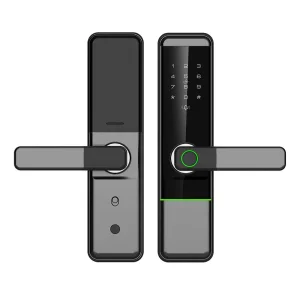
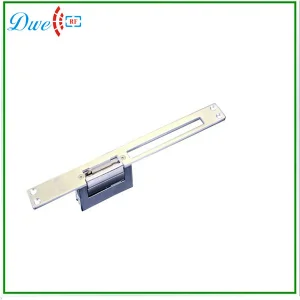
🌐 The Global Landscape of Biometric Authentication
The global Fingerprint Verification System market is currently undergoing a massive paradigm shift. As organizations move away from traditional physical keys and vulnerable digital passwords, biometric identity management has emerged as the gold standard for security. According to recent market intelligence, the biometric sensor market is projected to reach over $15 billion by 2027, driven by the integration of AI-enhanced liveness detection and the rise of IoT-connected smart buildings.
Leading manufacturers are no longer just hardware providers; they are software architects creating end-to-end security ecosystems. From high-security military installations to residential smart homes, fingerprint verification offers a unique balance of unbeatable convenience and uncompromising safety.
🏭 Expert Profile: Dongguan Tahiti Lock Co., Ltd.
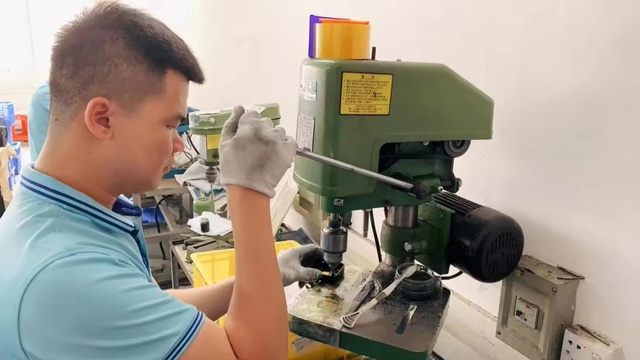
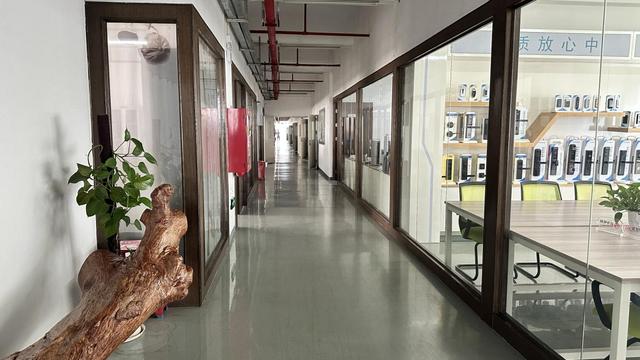
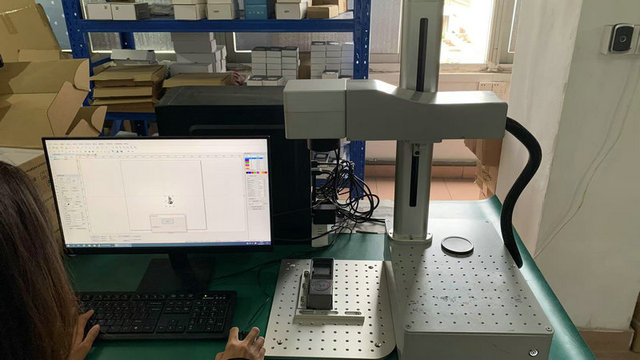
Dongguan Tahiti Lock Co., Ltd. is a professional manufacturer specializing in smart access control systems and electric locks, providing integrated commercial security solutions for global customers. With a strong focus on innovation, reliability, and safety, the company is committed to developing advanced locking technologies that meet the evolving needs of modern buildings, enterprises, and industrial facilities.
Backed by a skilled R&D team and advanced manufacturing capabilities, Dongguan Tahiti Lock Co., Ltd. continuously improves product performance and durability while maintaining strict quality control standards. The company adheres to international certifications and testing requirements, ensuring that each product delivers stable operation and long service life.

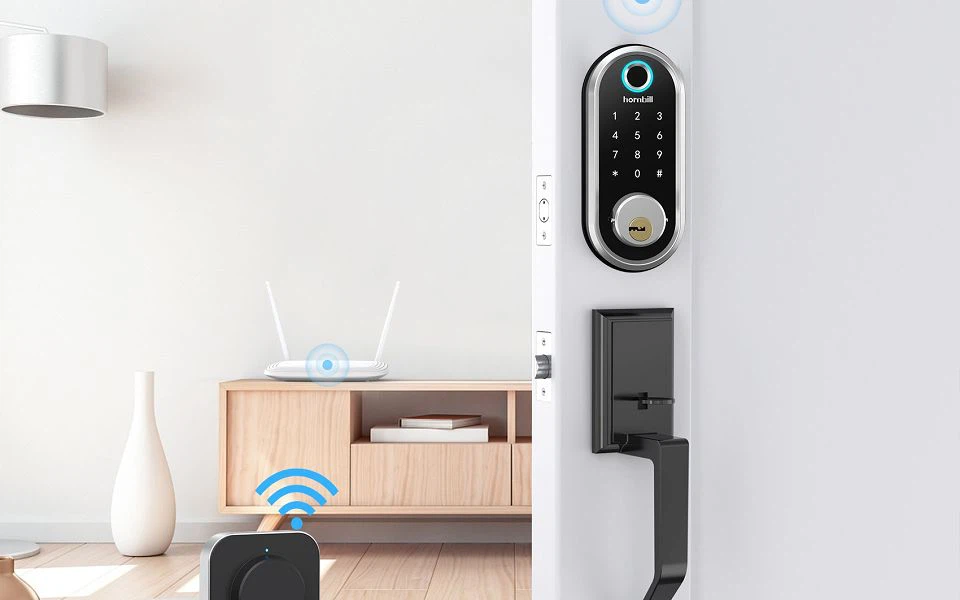
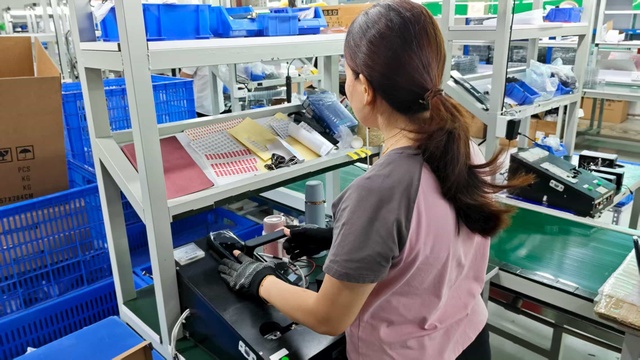
🚀 Why Sourcing from China Factories is a Strategic Edge
⚡ Supply Chain Efficiency
China's "Greater Bay Area" (Shenzhen-Dongguan) provides an unparalleled ecosystem where raw materials, chipsets, and precision mechanics are all within a 50km radius. This allows manufacturers to go from design to mass production in weeks, not months.
🔬 R&D and Customization
Modern Chinese factories like Tahiti Lock offer full OEM/ODM services. They don't just produce "off-the-shelf" items; they design bespoke biometric firmware to meet local regulatory requirements in Europe, America, and Southeast Asia.
💎 Cost-to-Performance Ratio
By leveraging automated production lines and massive economies of scale, Chinese manufacturers provide Grade-1 security hardware at a fraction of the cost of traditional Western brands, without compromising on E-E-A-T principles.
📈 Future Trends in Fingerprint Verification
1. AI-Powered Liveness Detection
The next generation of sensors uses artificial intelligence to detect blood flow and skin elasticity, rendering 3D-printed fake fingers or "gummy" clones completely useless.
2. Cloud-Based Access Management
Integration with WiFi and 5G allows facility managers to grant or revoke access remotely from anywhere in the world, with real-time biometric logging.
3. Multi-Modal Biometrics
Combining fingerprint data with facial recognition or palm-vein scanning for "two-factor" biometric security in ultra-high-risk environments like bank vaults or data centers.
❓ Global Procurement Q&A (FAQ)
What is the difference between Optical and Capacitive sensors?
Optical sensors use a high-resolution camera to take a picture of the finger, while capacitive sensors use electrical currents to map the ridges. Capacitive sensors are generally more secure against spoofing and are used in high-end mobile devices and smart locks.
How do manufacturers handle data privacy?
Top-tier manufacturers like Tahiti Lock ensure that the actual image of the fingerprint is never stored. Instead, the sensor converts the ridges into an encrypted mathematical template (hash), which cannot be reversed back into an image.
What are the key certifications to look for in a manufacturer?
You should prioritize manufacturers with ISO9001 quality management, CE/FCC for electronics, and ANSI/UL ratings for the physical durability and fire resistance of the lock mechanism.
Can these systems withstand outdoor weather conditions?
Yes, professional-grade biometric locks are rated IP65 or IP66, meaning they are waterproof and dustproof, capable of operating in temperatures ranging from -20°C to 60°C.
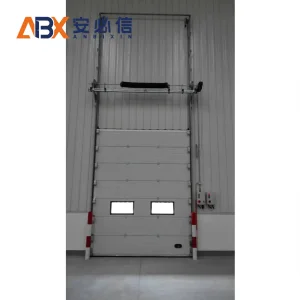
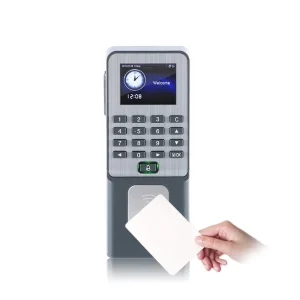
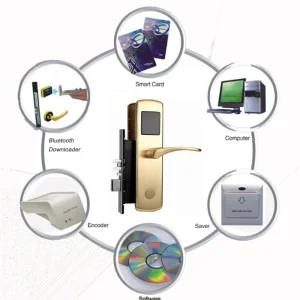
🛠️ Professional Access Control Hardware
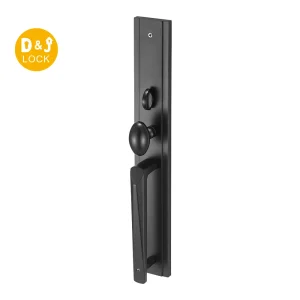
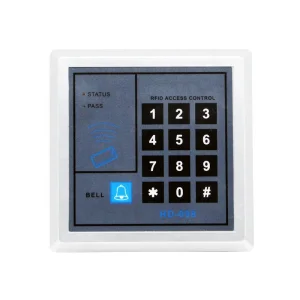
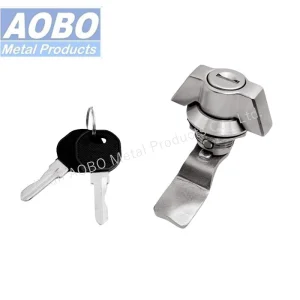
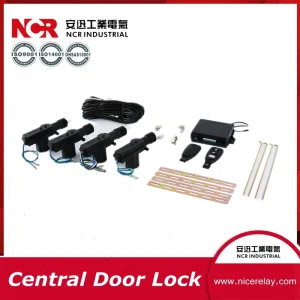
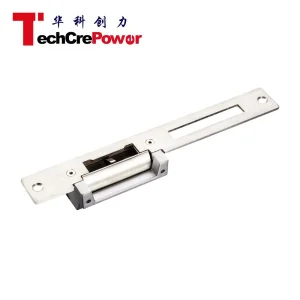
Partner with Excellence
Selecting the right Fingerprint Verification System manufacturer is a decision that impacts the safety of your assets and the efficiency of your operations for years to come. By choosing a manufacturer that combines EEAT principles, deep industrial experience, and innovative technology, you ensure a future-proof security environment.