Tahiti Lock
Edge-to-Cloud Access Nodes & Control Systems
Industrial-grade components interfacing with cloud management interfaces, enabling Zero-Trust authentication protocols.
The Convergence of Physical Infrastructure & Cloud Security Architectures
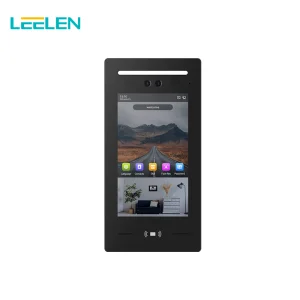
In the modern cyber-physical threat landscape, the boundary between digital and physical enterprise security has collapsed. Traditionally, enterprise risk teams classified physical access control systems (PACS) and digital access management systems as distinct domains. Today, the rise of the IoT edge, driven by high-definition video doorbells, facial recognition terminals, smart locks, and smart utility meters, has necessitated a paradigm shift. Enterprise operations are consolidating under unified, cloud-secure SaaS fabrics that manage access permissions in real-time across the globe.
A true Cloud Security Solution does not merely reside in cloud-native software layers like IAM or SIEM; it requires hardened, physically resilient endpoints that possess high-performance cryptographic co-processors to safely authenticate and stream telemetry to remote cloud nodes. Modern high-security facilities, commercial properties, and residential towers require terminal systems equipped with secure communication channels (such as TLS 1.3, AES-256 local storage encryption, and SIP-over-TLS communication frameworks) to mitigate threat vectors such as edge intercept attacks, firmware hijacking, and biometric spoofing.
Global Enterprise Procurement Requirements
International buyers, system integrators, and real estate developers face complex compliance challenges when acquiring hardware-embedded cloud solutions. The integration of end-point hardware with enterprise-level security directories requires strict adherence to multiple technical benchmarks:
Zero-Trust Edge Integrity
Every biometric terminal, video entry point, and smart lock must act as a Zero-Trust node. Real-time validation of certificates ensures that only verified hardware can query database directories, avoiding single-point-of-failure vulnerabilities in corporate local area networks.
API and SDK Extensibility
Modern enterprises rarely rely on standalone manufacturer software. Hardware platforms must offer comprehensive SDK and API architectures (such as Android OS integrations and Linux SDKs) to allow seamless mapping into proprietary tenant portals, visitor management, and global building automation software.
Global Encryption & Regulatory Compliance
Exporters must supply hardware that complies with local regional laws. For European buyers, this means GDPR compliance on face check scanning and biometrics data storage. For North American enterprises, UL-294 access standards and FCC Part 15 regulations are non-negotiable procurement gates.
China Factory 4.0: Supply Chain Resilience and Efficiency
The hardware landscape for cloud-managed physical security is dominated by highly optimized manufacturing clusters, particularly in Dongguan and the wider Pearl River Delta. These facilities have moved beyond simple assembly. Through the implementation of Factory 4.0 paradigms, exporters combine software provisioning, mechanical fabrication, and high-frequency wave testing under a single roof.
Key manufacturing advantages that differentiate advanced Chinese factories include:
- Vertical Integration: Access to structural die-casting of heavy-duty aluminum alloys, surface anodizing, SMT circuit board mounting, and precision assembly within a close geographical radius. This drastically reduces transit times and lead-generation lag.
- Digital Twin Testing & Automation: Implementation of robotic test benches that run locks and access interfaces through hundreds of thousands of cycles under simulated extreme environments (high humidity, salt fog exposure, extreme temperatures).
- Customized Firmware Injection: Ability to burn-in customer-specific encryption keys and pre-configure network configuration profiles at the hardware assembly line, guaranteeing that no default settings remain on the units prior to export.

Global Commercial & Industrial Landscape
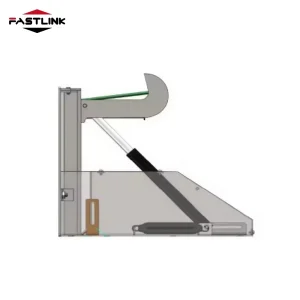
The requirement for high-security cloud access systems spans multiple commercial and industrial scenarios. Smart cities utilize edge monitoring and access control to safeguard municipal buildings and secure infrastructure cabinets. Meanwhile, the transport and logistics sectors rely heavily on systems like automatic truck dock lock systems (such as the Fastlink Dynamoguard series) to ensure safety during loading cycles and protect supply chains from intrusion.
In residential and hospitality projects, high-density residential buildings rely on multi-apartment SIP systems linked to tenant cloud apps. In these deployments, cloud directories manage visitor temporary access, resident registrations, and video records, minimizing local administrative costs.
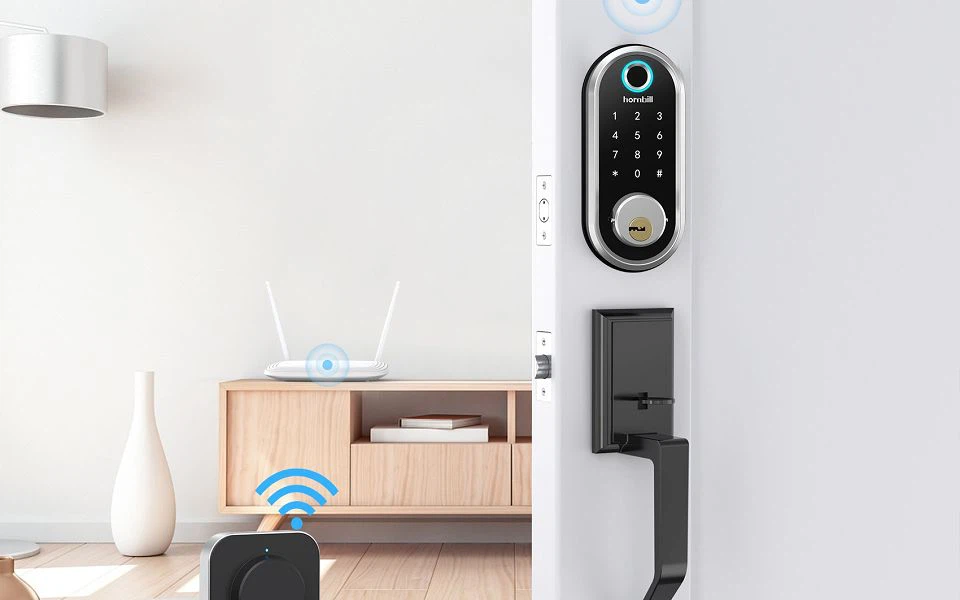
Industry Focus: Dongguan Tahiti Lock Co., Ltd.
Dongguan Tahiti Lock Co., Ltd. stands as a premier example of a high-performance manufacturer specializing in the development, production, and global export of smart access control systems and electric locking hardware. By targeting key pain points in structural durability and electronics integration, they have positioned themselves as a reliable OEM/ODM partner for smart building contractors, security integrators, and software system providers worldwide.
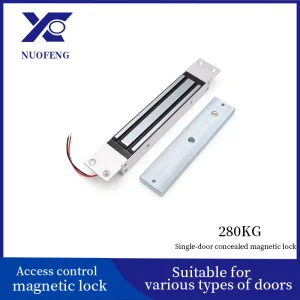
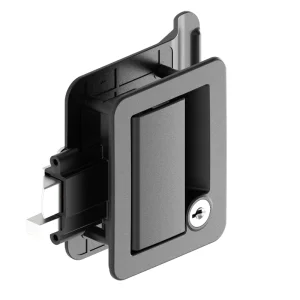
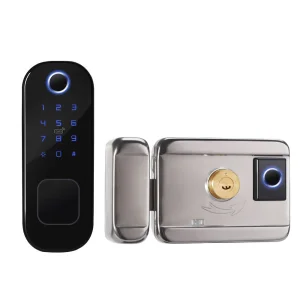
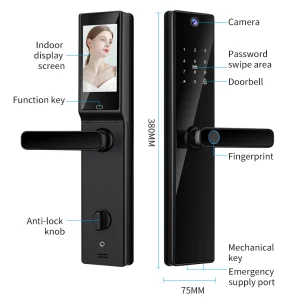
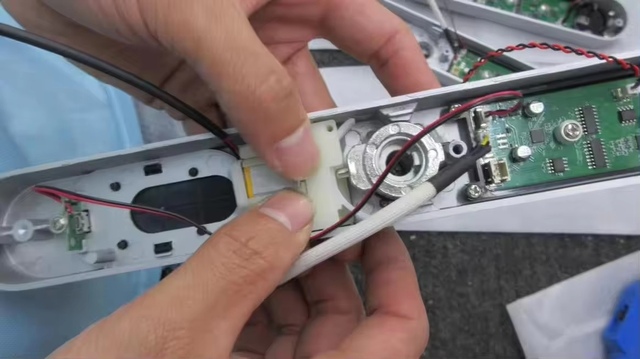
Tahiti Lock's portfolio ranges from high-holding-force electromagnetic locks (such as the 280kg concealed magnetic series) to complex biometric access control terminals, fingerprint combination cabinet locks, and heavy-duty smart travel trailer mechanisms. Emphasizing strict quality management, their facilities utilize certified testing components to verify structural load capacity, weather resistance, and signal integration, ensuring failure-free operations in critical environments.
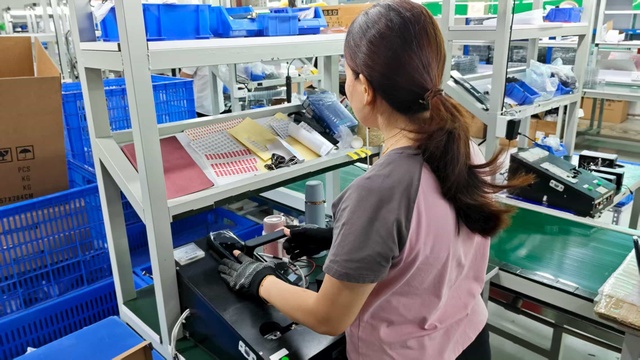
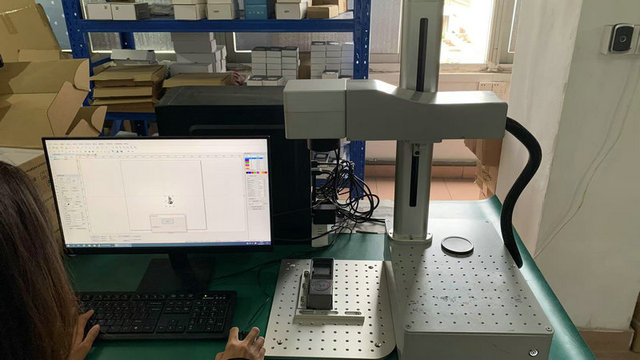


Through a client-first service layout, the organization offers bespoke ODM casing design, API mapping support, and multi-protocol hardware options (including dry contact relays, Wiegand interfaces, RS485, and TCP/IP). This customizability allows system integration companies to deploy physical access hardware globally while retaining their proprietary enterprise software identity.
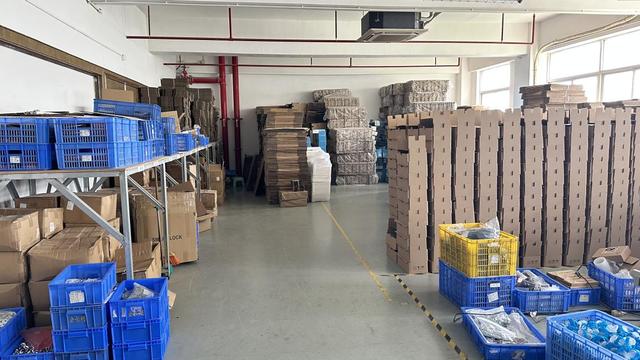

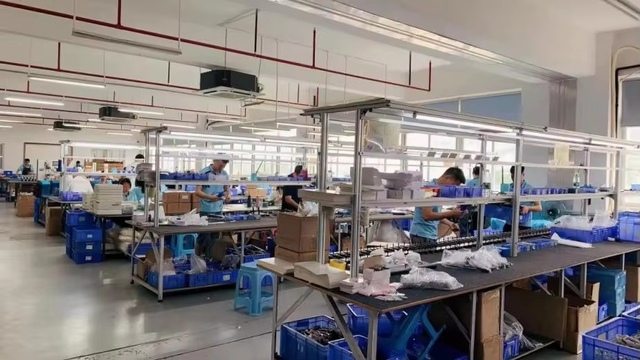
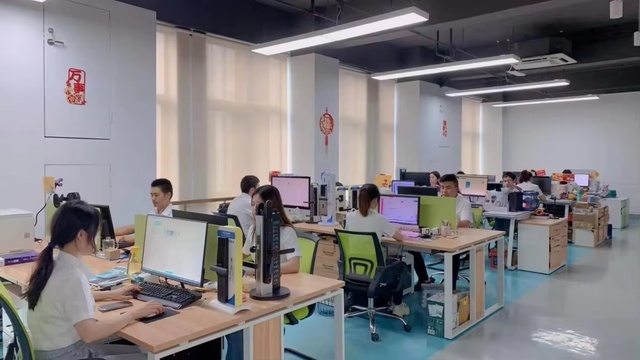
Whether deploying complex multi-site office controls or designing custom locking assemblies for recreational vehicle fleets, their engineering support translates complex mechanical specifications into reliable field installations.
Localized Application & Hardware Implementation Scenarios
Implementing hardware at scale requires choosing the exact system architecture matching the unique constraints of the local environment:
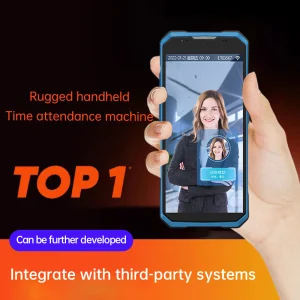
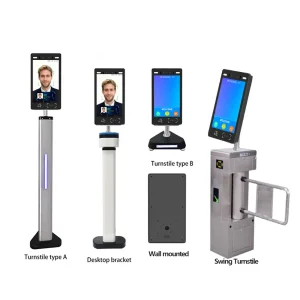
- High-Transit Office Hubs: Deploying wall-mounted biometric face recognition readers (like the Suntek API series) coupled with fail-safe concealed magnetic locks. Access logs sync instantly to the cloud to handle real-time employee attendance tracking and security alerts.
- Remote Smart Utility Stations: Installing online energy consumption monitoring systems paired with high-durability locking hardware to prevent unauthorized physical interference, while monitoring power usage patterns.
- High-Density Shared Housing: Integrating multi-tenant SIP intercoms at outer access pathways. This enables residents to answer calls and open doors via mobile devices using encrypted cloud-relayed SIP lines.
- Industrial Cargo & Logistic Terminals: Relying on automated vehicle restraints, wheel engagement sensors, and automated truck dock locks. This safeguards loading bays against early departures and hazardous trailer creep.
Comprehensive Security & Hardware FAQ
1. How do physical smart locks protect data when connected to the cloud?
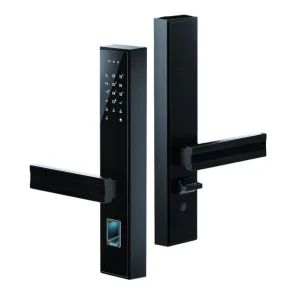
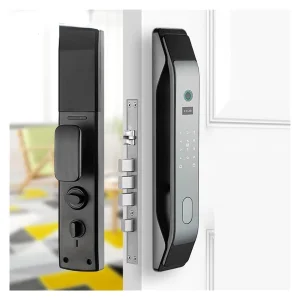
Modern cloud-compatible smart locks encrypt sensitive communications using protocols like TLS 1.3 or proprietary AES-128/256 dynamic handshakes. Access credentials, specifically biometric templates like face scans or fingerprint logs, are hashed directly on the hardware's secure enclave rather than stored as raw image files, preventing data leaks in case of network breach.
2. What integration options are available for developers looking to use these locks with custom software?
Most high-tier manufacturers provide detailed API documentation alongside Android/Linux SDK packages. This allows system integrators to feed reader data, door status telemetry, and user management directly into building management systems, corporate directory systems, or custom mobile applications.
3. How do electromagnetic locks behave during power grid disruptions?
Magnetic locks operate on continuous power to maintain holding force, making them inherently "fail-safe." This means that if power is cut, the door automatically unlocks to allow emergency evacuation. For high-security environments, they are paired with backup battery power supplies (UPS) to maintain integrity until secondary generators start.
4. What is the advantage of using finger-vein verification over optical fingerprint scanners?
Finger-vein scanning is a highly advanced biometric system that maps the unique vascular patterns beneath the skin's surface. Unlike optical fingerprints, which can be spoofed or rendered unreadable by dirt, sweat, or skin abrasions, finger-vein authentication requires active blood flow, delivering far lower False Acceptance Rates (FAR) and higher spoof resistance.
5. Are China-manufactured access control systems compliant with Western security standards?
Yes, leading exporters design and test products specifically to obtain major global certifications like CE, FCC, RoHS, and UL compliance. When procuring, it is vital to coordinate with the manufacturer to verify certification certificates align with the specific regulatory demands of your target region.
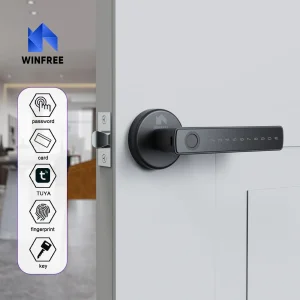
6. Can Tuya or other IoT-enabled lock systems handle enterprise-scale occupant databases?
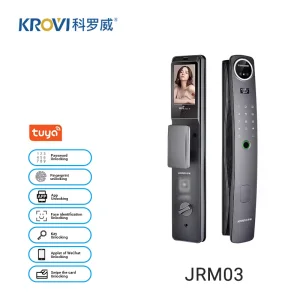
IoT frameworks like Tuya provide robust management platforms suitable for residential and medium enterprise properties. For large corporate deployments, the hardware is typically integrated via local controllers into specialized enterprise software (e.g., platforms using Wiegand or OSDP interfaces), allowing databases of tens of thousands of users to execute instantly.
7. What is the physical lifecycle of an industrial smart lock system?
Industrial smart locks and heavy-duty locks are engineered to withstand between 500,000 to over 1,000,000 cycle tests. To maximize lifespan, factories utilize structural grade alloys, anti-rust coatings, and vibration dampening mechanisms designed to survive continuous daily wear and tear.
8. Can smart energy consumption monitors integrate directly with cloud-managed access controls?
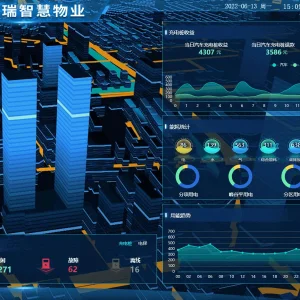
Yes. Utilizing unified protocols like Modbus or BACnet, modern smart city integrations link energy meters and access control networks together. This allows facilities to automatically cycle off HVAC, lighting, and non-essential power systems when access logs report a zone has been empty for a set duration, maximizing energy efficiency.
Biometrics & High-Security Locking Systems
Premium biometric scanners, vehicle security devices, and mechanical locks engineered for high-security commercial and industrial configurations.