Tahiti Lock
1 / 5
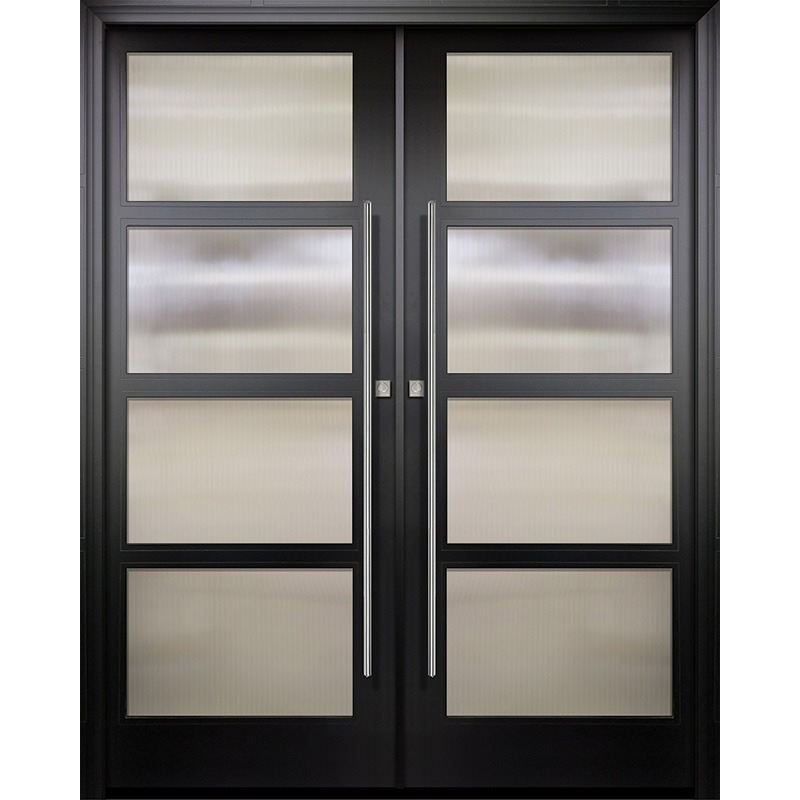
Aluminum Alloy Window System for Construction Projects
Product Description
Model NO.
Aluminum Alloy Window
Surface Finishing
Finished
Glass Type
Tempered Glass
Certification
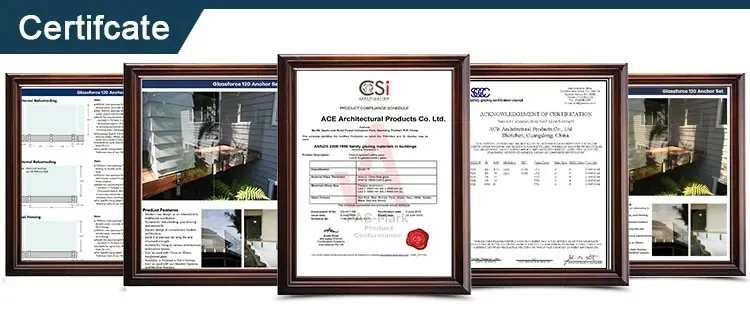
CE, ISO, ISO9001, ISO14001
Open Style
Automatic
Position
Exterior
Product Name
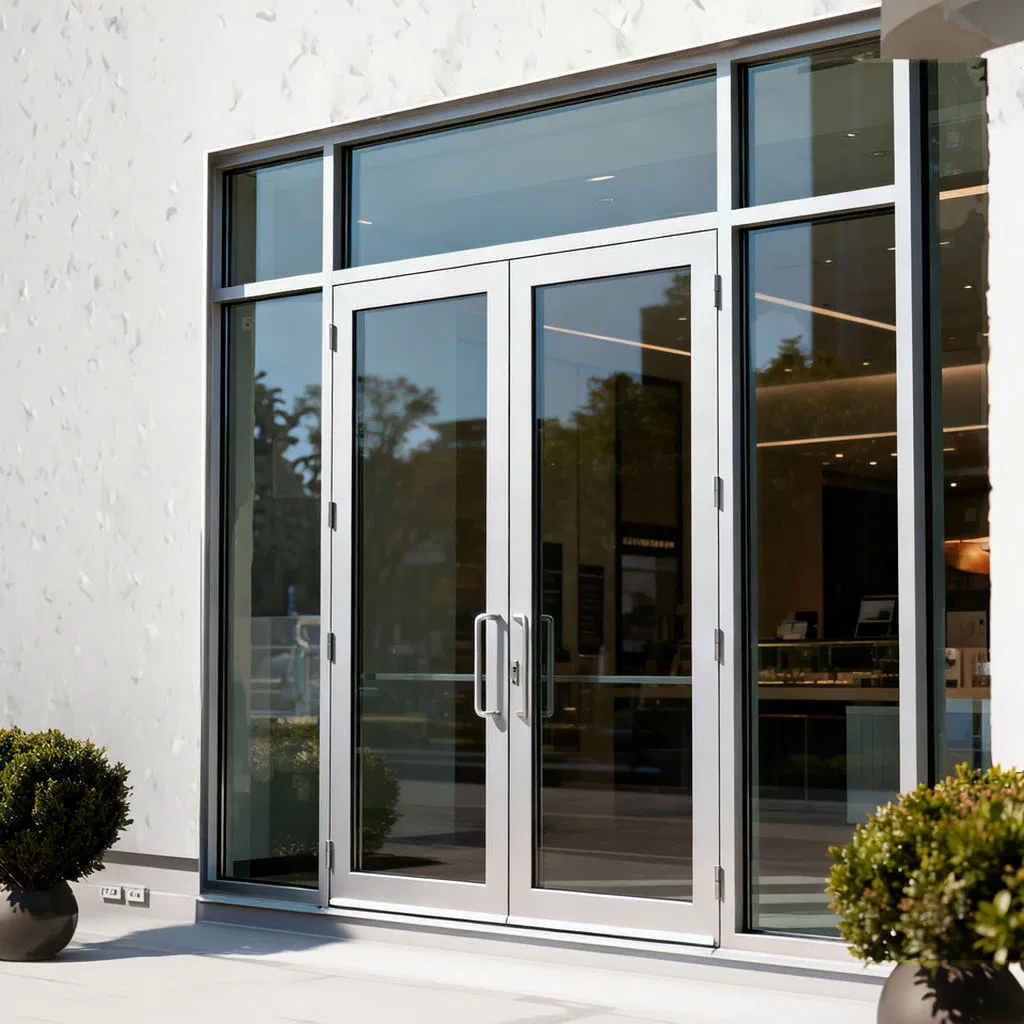
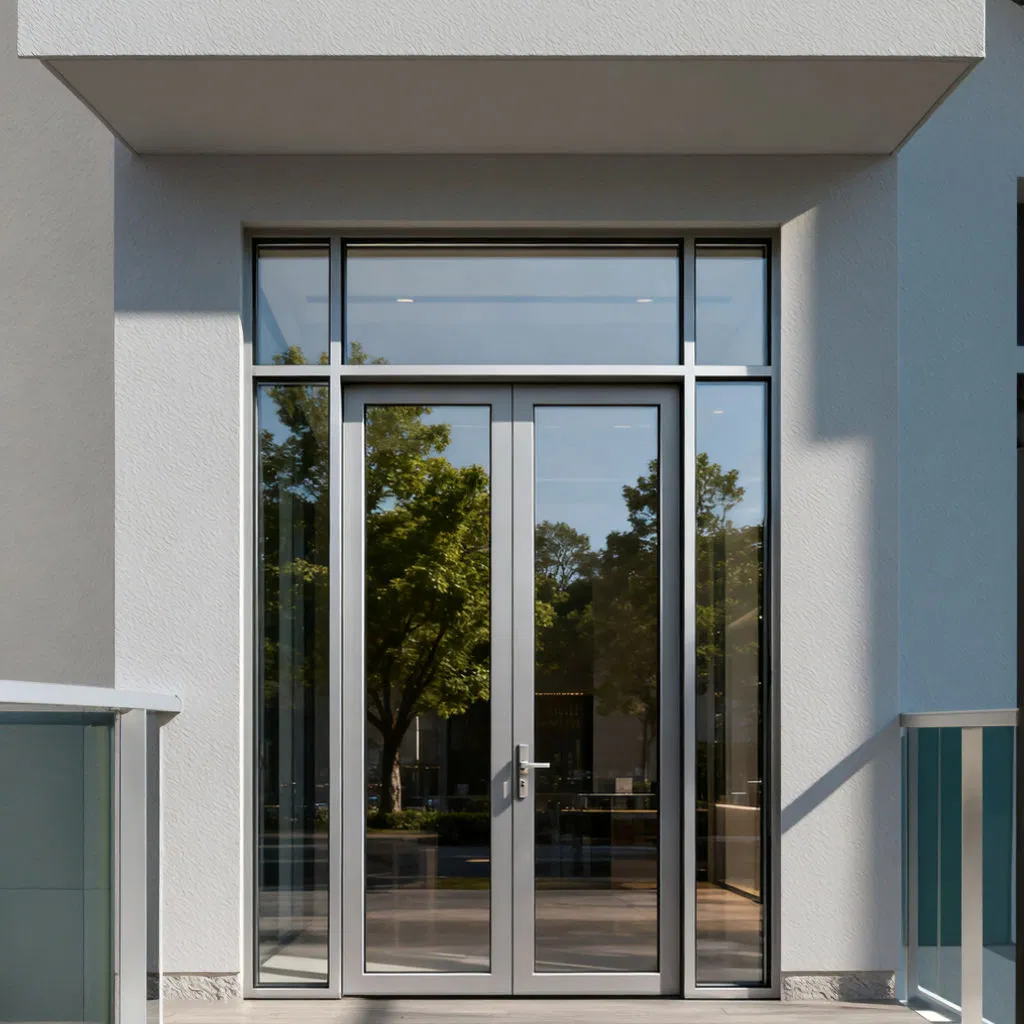
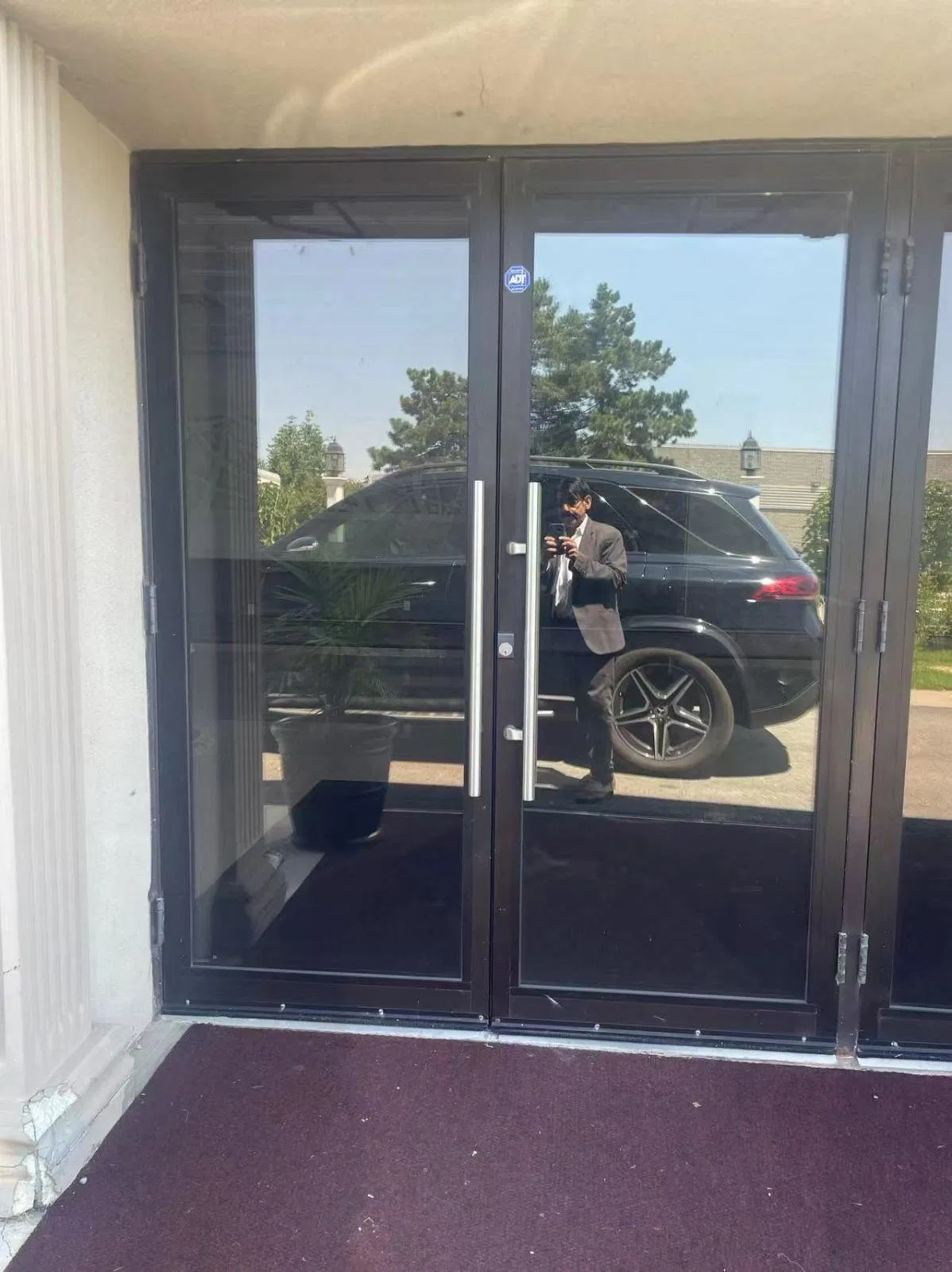
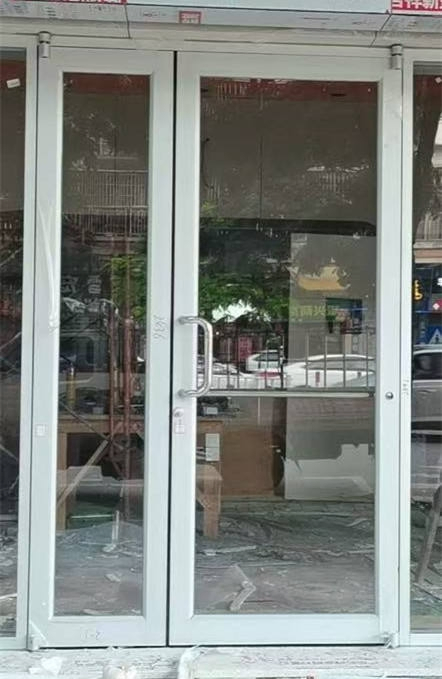
Aluminum Alloy Door
Material
Aluminum Alloy 6063-T5
Opening Type
Sliding / Casement / Swing
Application
Residential / Commercial
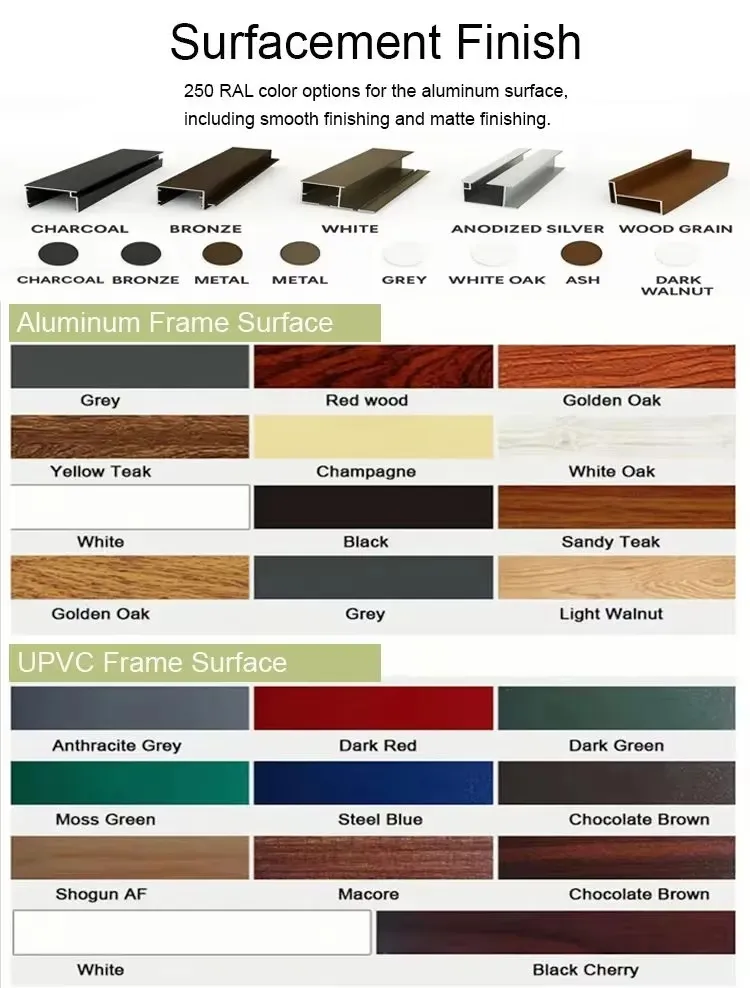
Surface Treatment
Powder Coating / Anodizing / PVDF
Color
Customized
Profile Thickness
1.2~2.5 mm
Frame Structure
Thermal Break / Non-Thermal
Double / Triple Glazing
Tempered / Low-E
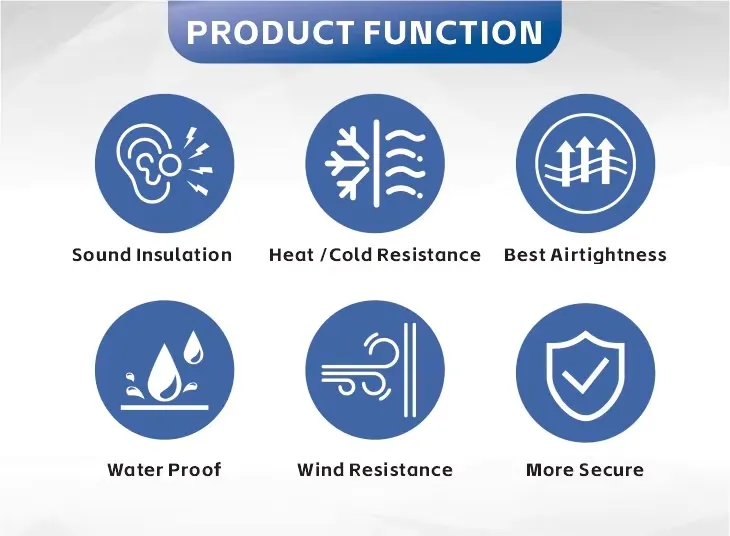
Sound Insulation
35~45 Db
Thermal Insulation
Low U-Value
Hardware System
Multi-Point Lock
Sealing Strip
EPDM
Wind Resistance
Class C
Water Tightness
IP57
Production Capacity
50000
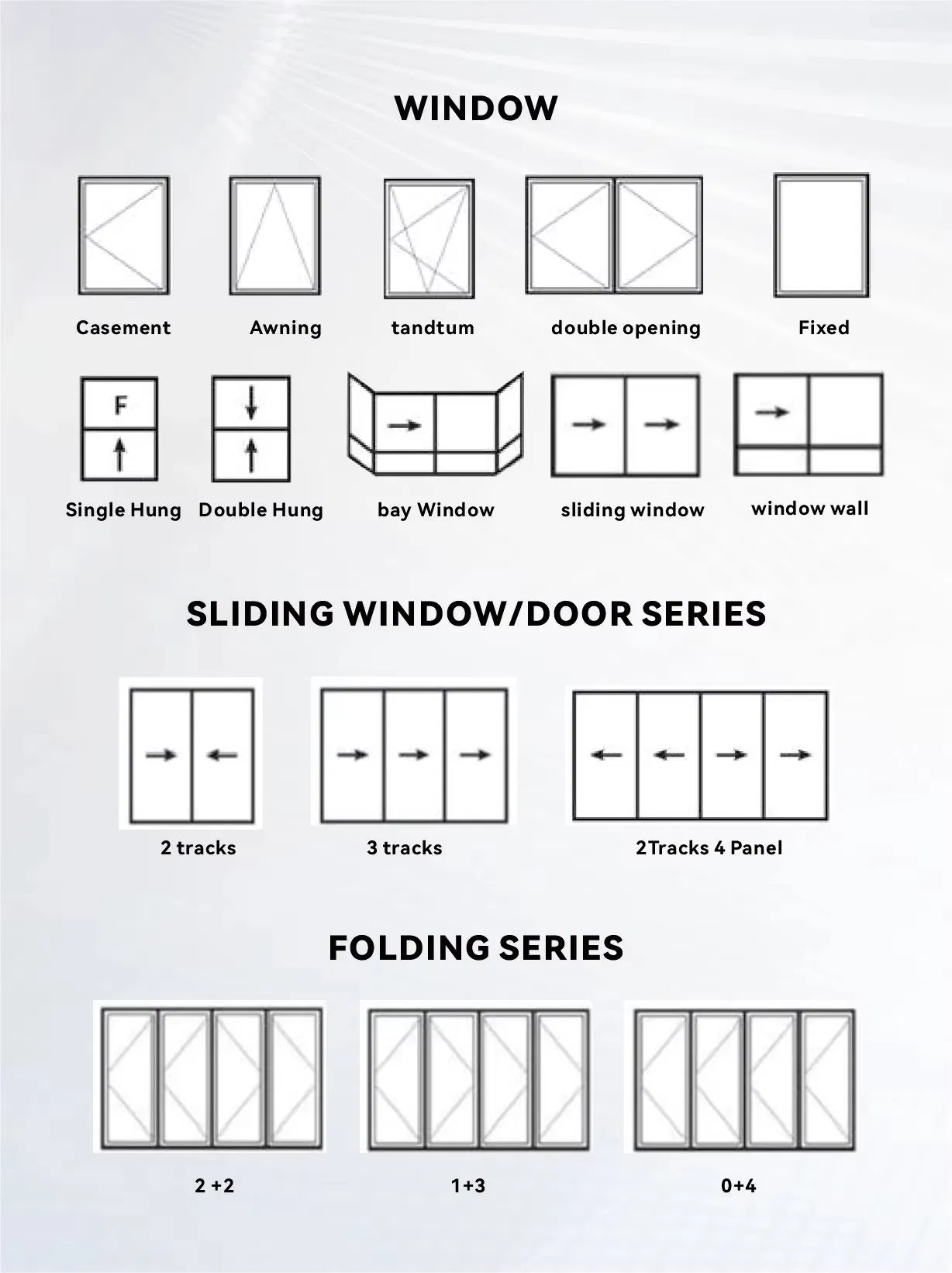
| Product Name | Custom Window/Door |
|---|---|
| Size | Customized according to requirements |
| Materials | Stainless steel, galvanized sheet gold, broken bridge aluminum, zinc alloy, etc. |
| Color | A variety of colors are available for your selection |
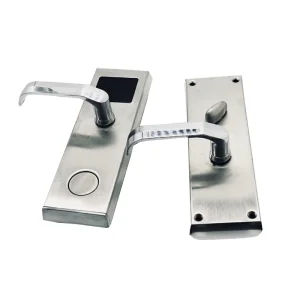
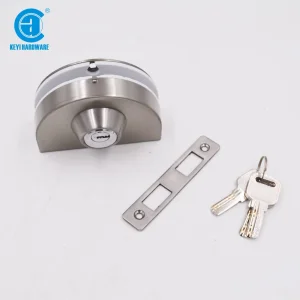
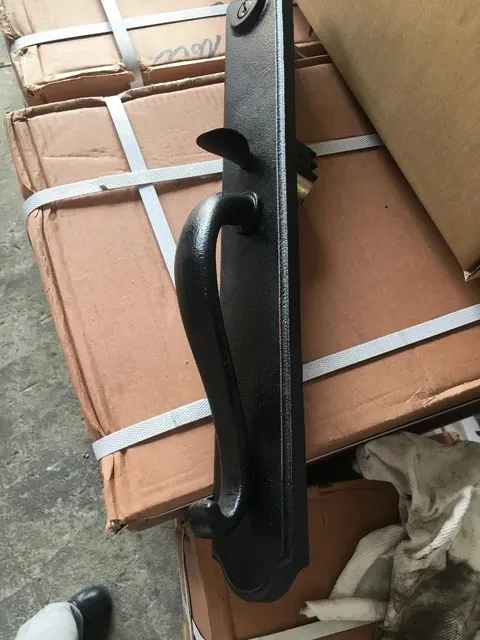
| Accessories | Locks, handles, hinges, motors and other requirements |
| Features | Sturdy, durable and of high quality |
| Applications | Construction projects, commercial, office, hotel, church, home, etc. |
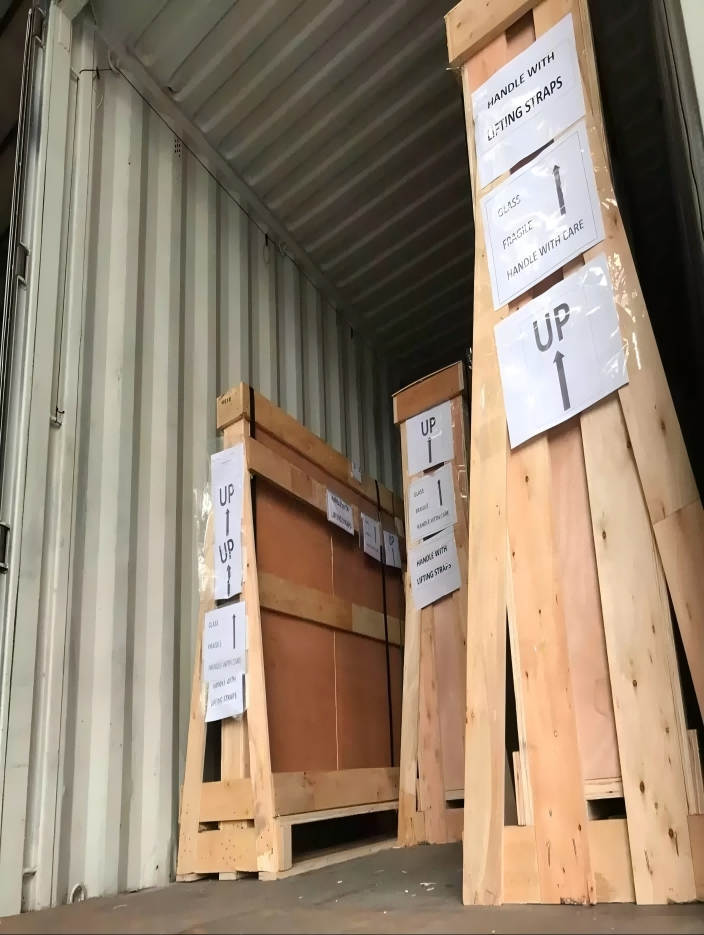
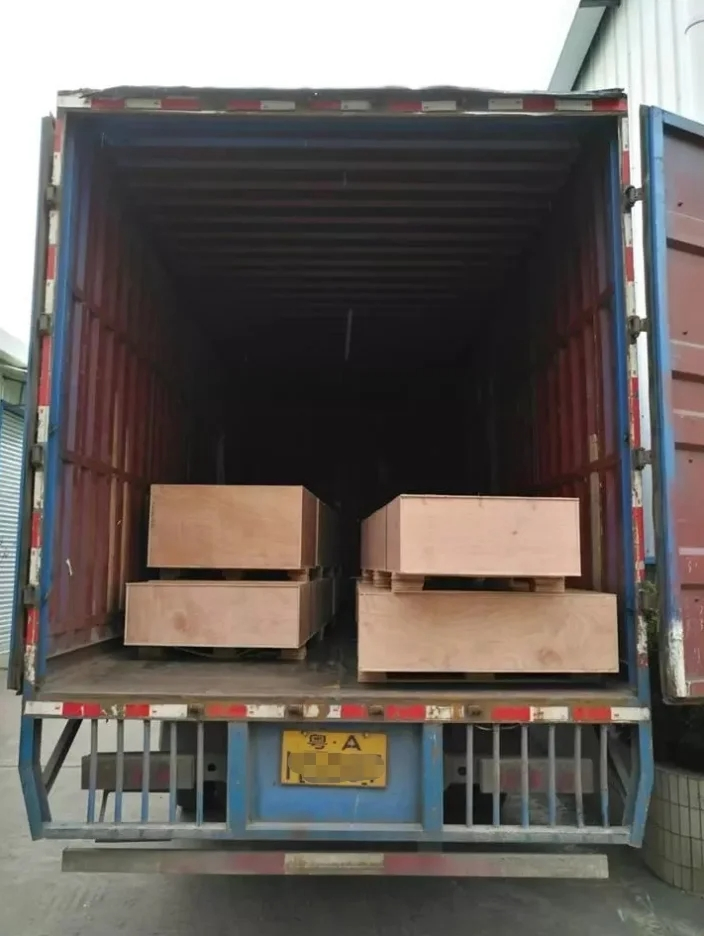
| Packaging | Support Customization |
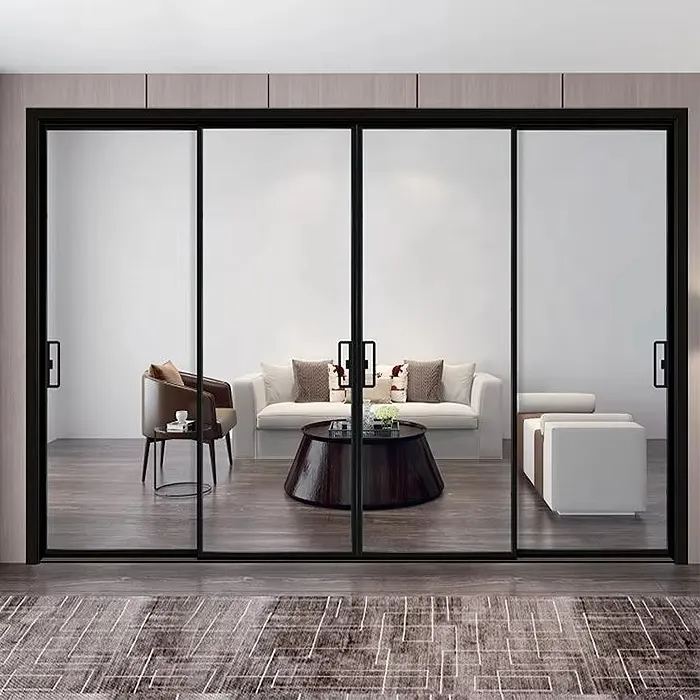
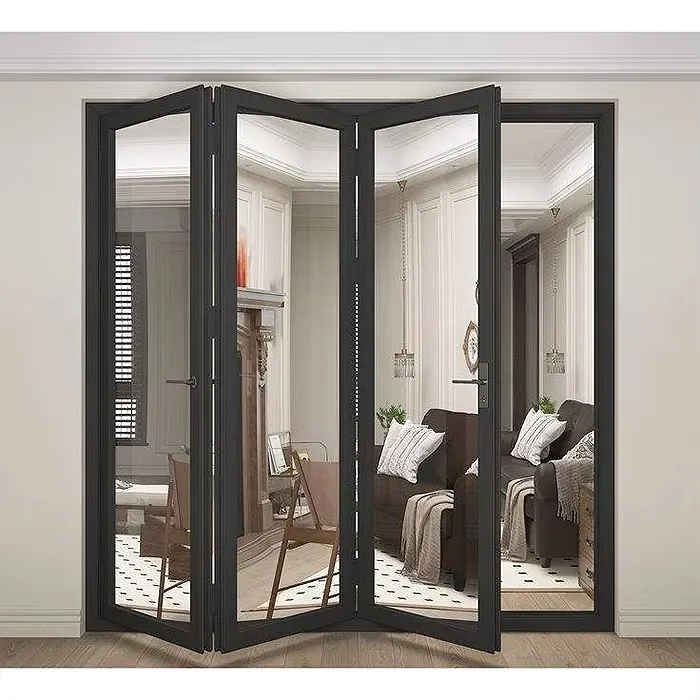
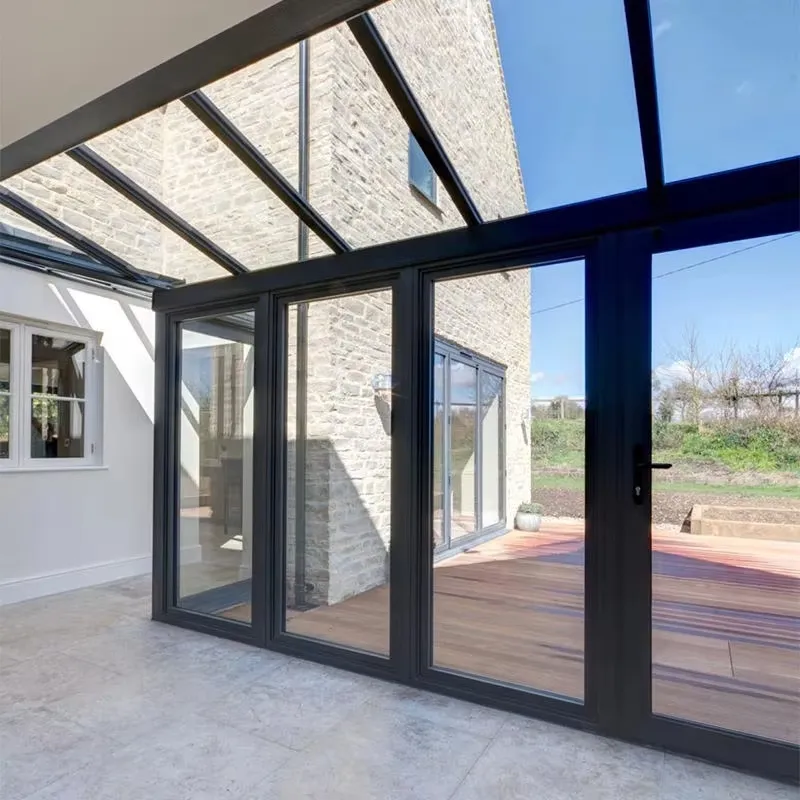
Package Size
560.00cm * 330.00cm * 160.00cm
Package Gross Weight
100.000kg
How to judge the quality of aluminum alloy door and window profiles?
Three key checks: 1. Surface: High-quality profiles have a smooth, even finish. 2. Thickness: Main profile wall thickness should not be less than 1.8mm. 3. Material: Opt for primary aluminum alloy (grade 6063-T5).
Why do some aluminum doors/windows operate roughly or make noise?
Main causes include dirt in tracks, poor quality hardware (rollers, hinges), improper installation causing frame distortion, or insufficient profile rigidity.
What are "Thermal Break" aluminum alloys and their advantages?
A thermal break profile uses a low-conductivity material (PA66 nylon) to break the thermal bridge. It offers superior thermal insulation, energy efficiency, and improved sound insulation.
How to check the sealing performance of aluminum doors and windows?
Focus on EPDM gaskets for elasticity. Check if they are continuous and compress tightly. A simple test is trying to pull a sheet of paper from a closed sash—it should be difficult to remove.
What are the considerations for high-rise building installations?
Safety is paramount. Use high-strength profiles and tempered safety glass (laminated is recommended). Hardware must have high load-bearing and wind resistance, secured with galvanized steel brackets.
Can the color and size be customized for specific projects?
Yes, both size and color are fully customizable to meet the specific requirements of residential or commercial construction projects.