Tahiti Lock
Featured Access Management Systems & Electronic Hardware
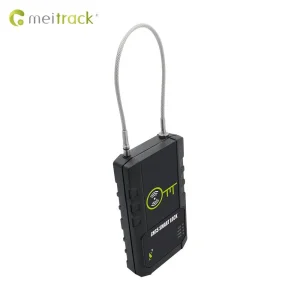
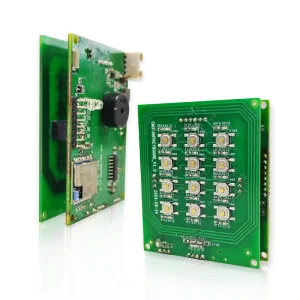
Global Smart Security & Physical Access Paradigms
The global commercial landscape is undergoing a structural transition from legacy mechanical security structures to smart, integrated, and decentralized
Driven by smart city architectures, SaaS workplace integrations, and strict post-pandemic personnel safety regulations, the demand for high-end access controllers has risen exponentially. From multi-modal authentication (biometrics, RFID, QR-codes) to wireless smart deadbolts, systems are designed to operate as active terminal points in local networks, passing secure credentials in milliseconds to protect high-density venues, automated warehouses, and municipal zones.
Dongguan Tahiti Lock Co., Ltd. is positioned at the intersection of this transition, engineering standard and customized access controllers, electric locks, and smart mechanical overrides that satisfy critical global metrics: longevity, reliability, and interoperability.

Enterprise Architecture & Technical Protocols
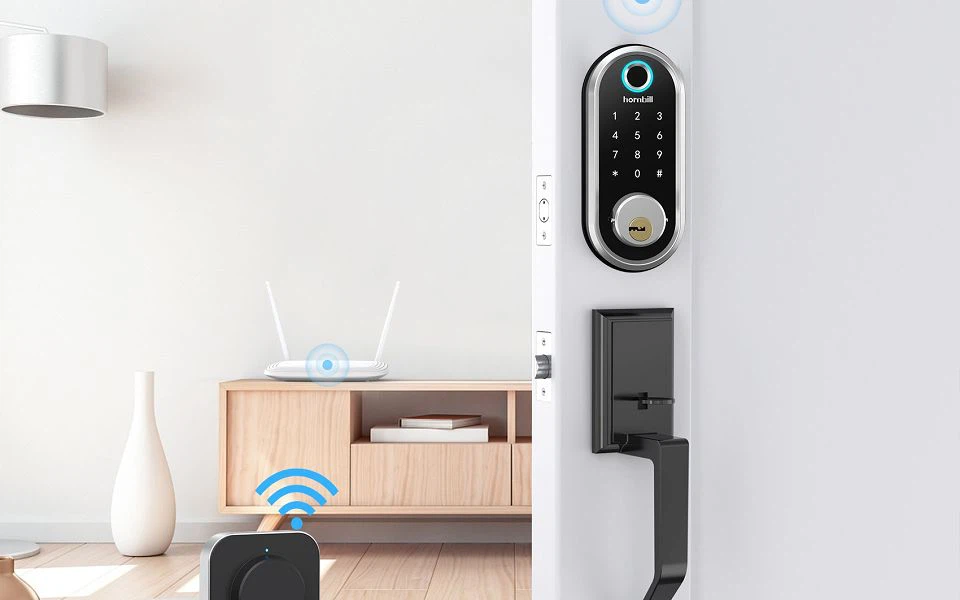
To design an access management structure capable of operating in dense commercial environments, engineers must analyze protocol topologies. The modern access control terminal utilizes standard TCP/IP network interfaces or Wi-Fi networks (such as the Tuya IoT environment) to communicate with central local directories or cloud software platforms.
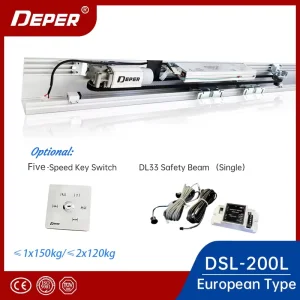
For high-security operations, direct integration with automated fire-alarm loops, glass doors, and automatic turnstile gates is necessary. Here is how our key product range fits into this architecture:
- Biometric & Fingerprint Protocols: Utilizing capacitive semiconductor readers to match templates in less than 0.5 seconds on-device (Edge Computing), preventing latency and vulnerabilities associated with cloud-only processing.
- Wiegand & RS485 Serial Outputs: Compatibility with standard industry controllers is preserved through backward-compatible Wiegand interfaces, enabling simple drop-in replacements for existing card readers.
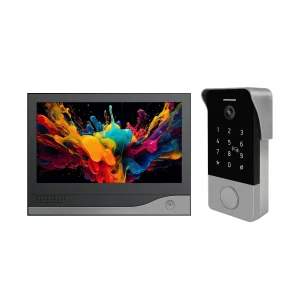
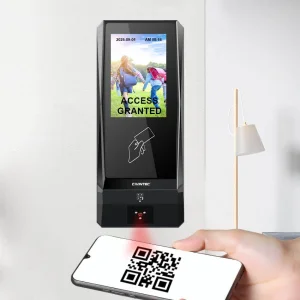
- HTTP API & SDK Availability: Networked terminals, such as the CT9 QR Code entry system, offer native RESTful APIs and SDK packages. This allows direct data piping into gym reservation systems, CRM applications, and municipal registration servers.
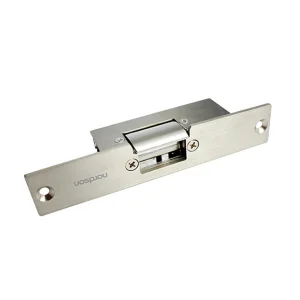
- Fail-Safe vs. Fail-Secure Circuits: Integrating industrial-grade glass doors requires electric strikes and magnetic mechanisms that immediately switch configurations during emergency power loss, compliant with global Life Safety Codes.
Chinese Supply Chain Resilience & Manufacturing Engineering
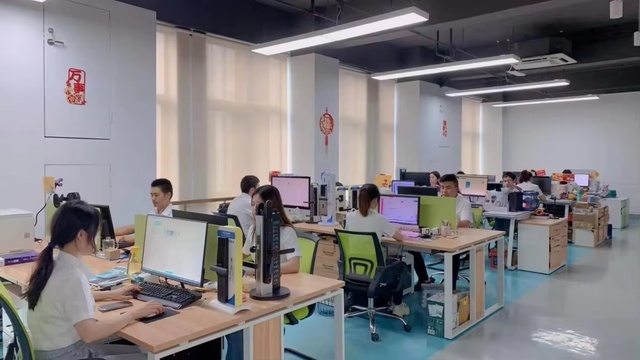
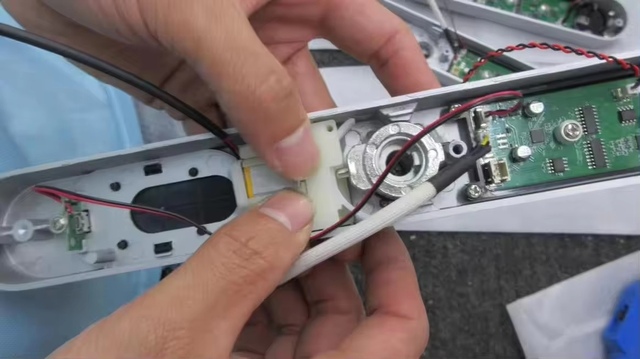
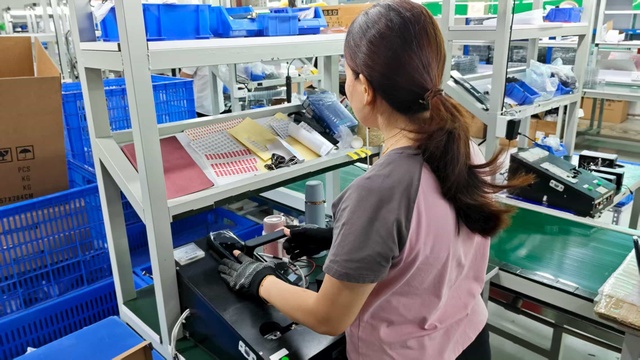
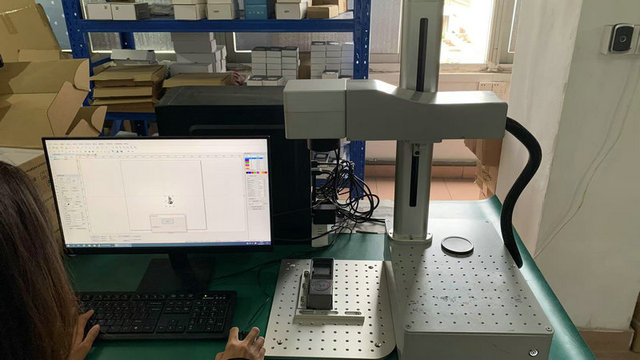
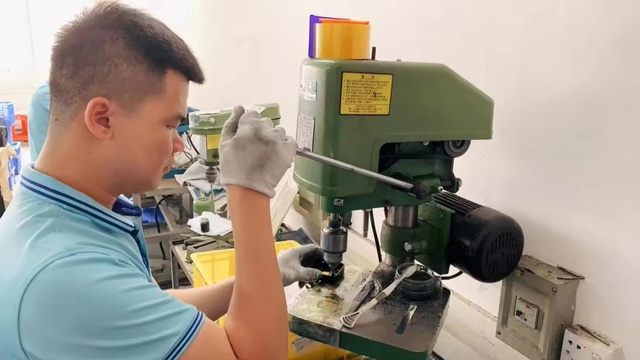
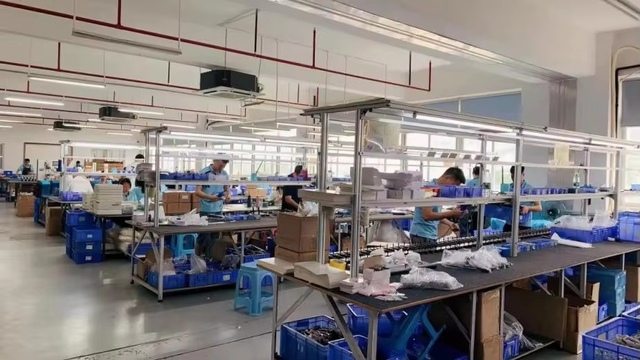
Dongguan has established itself as the global epicenter for precision electronic and mechanical engineering. In the physical security vertical, this translates to unparalleled vertical integration. At Dongguan Tahiti Lock Co., Ltd., the entire development cycle—from industrial design, PCB surface mounting (SMT), aluminum alloy die-casting, CNC precision milling, to final stress testing—occurs under a centralized quality management system.
This localized supply chain cluster provides international exporters with significant strategic benefits:
Rapid Prototyping & Customization
Modifying structural components for wooden, aluminum profile, or metal door standards takes weeks instead of months, streamlining both OEM and ODM project scopes.
Raw Material & Finish Optimization
Utilizing high-tensile zinc alloys, SUS304/SUS316 stainless steels, and anti-corrosive powder coatings designed for environments ranging from highly humid outdoor patios to heavy-duty industrial warehouses.
Stringent Regulatory Compliance
Every batch undergoes testing for cycle fatigue (up to 500,000 operations), salt spray exposure (to verify corrosion-resistance), and electromagnetic compatibility (EMC) to guarantee seamless global exports.
Localized Architectural & Facility Applications

Access management systems are not one-size-fits-all solutions. Different architectural and commercial environments present unique requirements:
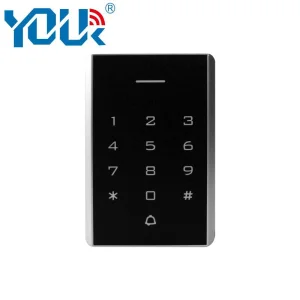
- High-Security Commercial Offices: Requires low-footprint, high-reliability systems like the Cm3 Commercial RFID Door Lock System. Managing hundreds of personnel card profiles while maintaining fire escape routes with fail-safe electric strikes or locks.
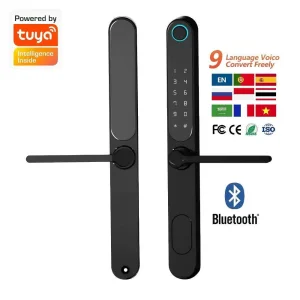
- Broken Bridge Patio & Outdoor Gates: Requires waterproof locks with narrow-profile profiles (e.g., Aluminum Tuya Fingerprint Lock) designed to withstand rain, dust, and temperature extremes without losing smart app synchronization.
- High-Density Public & Fitness Venues: Utilizes QR code readers connected via TCP/IP networks directly to local membership management software. Fast user turnover, offline verification logic, and turnstile relay trigger capabilities are mandatory.
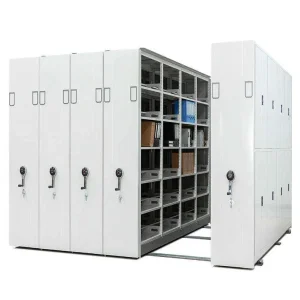
- Archive Storage & Smart Warehouses: Incorporates advanced Intelligent Mass Shelving Systems, restricting access to records or valuable inventories through credentialed authorization lanes.
Technological Comparison of Access Authentication Methods
| Security Paradigm | Primary Authentication Vector | Ideal Application Environment | Integrability (SDK/API) | Security Level |
|---|---|---|---|---|
| Biometric Fingerprint | Semiconductor Fingerprint Reader | Private Offices, Residential Exteriors | Medium (On-Device Memory) | High (Anti-Spoofing) |
| Networked QR Code / RFID | Dynamic QR Code Scanning, RFID Cards | Gyms, Turnstiles, Co-working Spaces | Excellent (TCP/IP HTTP APIs) | High (Time-based codes) |
| Tuya Smart APP / BLE | Smartphone Bluetooth / Cloud Relay | Patio Doors, Automatic Gate Openers | High (Tuya Cloud API integration) | Medium-High |
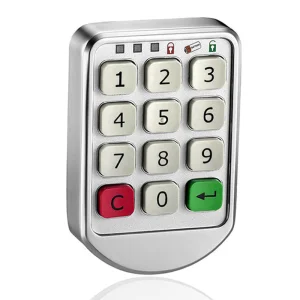
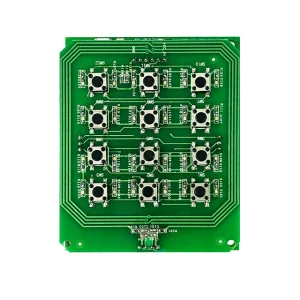
| Keypad Pin Combination | Mechanical or Touch Keypad | Secondary Doors, Lockers, Storage Units | Low (Standalone) | Medium |
| Fail-Safe Electric Strike | Direct 12VDC Relays | Emergency Exits, Metal & Glass Doors | Universal (Wiegand/Dry Contact) | High (Instant Release) |
The R&D Roadmap: Edge AI and Decentralization
The next decade of security engineering will shift access points from reactive nodes to predictive checkpoints. At Dongguan Tahiti Lock Co., Ltd., our engineering roadmap focuses on three main developments:
- Edge AI Face and Voice Authentication: Performing deep learning facial recognition local to the hardware node. This provides rapid verification and maintains network security in offline situations.
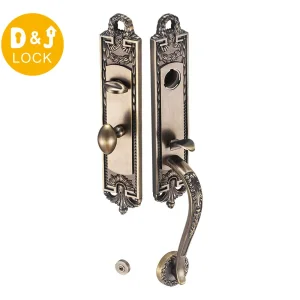
- Ultra-Low Power Harvesting Systems: Integrating kinetic and solar energy harvesting mechanisms within heavy-duty zinc alloy handle assemblies, minimizing reliance on battery maintenance.
- Unified Decentralized Identity (DID): Aligning access controllers with global decentralized identity protocols, allowing verified personnel to open doors via cryptographically signed credentials stored in standard mobile wallets.
Industrial Q&A & Technical Troubleshooting
How do I determine if my facility requires a Fail-Safe or Fail-Secure strike lock?
Fail-safe configurations release the locking mechanism when power is removed, making them suitable for escape paths and glass fire exits. Fail-secure configurations remain locked during power failures to protect valuables, requiring mechanical key overrides or backup batteries for egress.
Can the CT9 QR/RFID Reader integrate with third-party software databases?
Yes. The CT9 is designed with a standard TCP/IP network protocol stack and is provided with a full software development kit (SDK). This allows for direct RESTful API calls and integration with membership databases like Mindbody or custom enterprise resource planning (ERP) systems.
What measures are taken to ensure the outdoor longevity of Tuya smart patio locks?
Our smart locks feature vacuum-sealed internal electronic control boards (conformal coating) and rubber gaskets. They achieve IP66 to IP68 weatherproofing, protecting internal semiconductor modules from rain, dust, and temperature-induced condensation.
Do your locks support customization (OEM/ODM) for profile size differences?
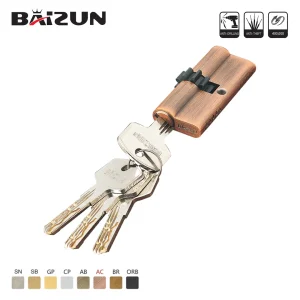
Absolutely. We specialize in producing profile cylinders ranging from 40mm to 160mm. By adjusting our CNC parameters and die tooling, we can meet regional lock mortise standards worldwide (such as Euro profile cylinders, ANSI lockcases, and Scandinavian designs).
How do ultra-low power consumption card readers benefit larger projects?
Systems like the Cm3 terminal minimize the standby currents to microamp (µA) levels. For commercial buildings with hundreds of doors, this lowers wiring infrastructure sizing requirements, reduces standby battery costs, and limits heat generation inside electrical closets.
Are there mechanical overrides in case of complete system lockouts?
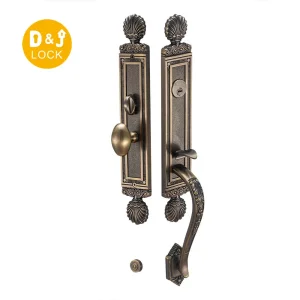
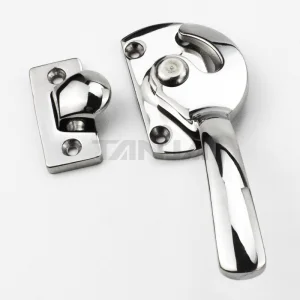
Yes. Models like our heavy-duty zinc alloy deadbolt handles and keyless keypad drawers are engineered with physical override cylinders, micro-USB external power terminals, or emergency mechanical levers, ensuring facilities remain accessible during complete system lockouts.
Enterprise Production & QC Capabilities