 Tahiti Lock
High-Demand Smart Biometric Hardware
Engineered with fail-safe architectures, robust processing chipsets, and dual wireless connectivity options to ensure uninterrupted operation across industrial facilities, educational institutes, and high-security offices in the Union of the Comoros.
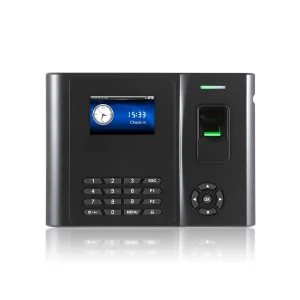
(Model GT210) Built-in Li Battery Biometric Fingerprint Time Attendance and Door Access Control System with Wireless GPRS or WiFi Function
Explore Specifications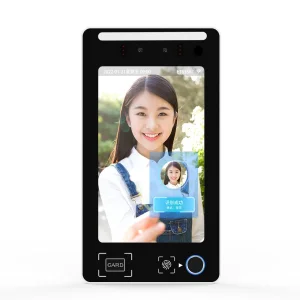
8 Inch Aluminum Alloy Android Fingerprint Attendance Access Control System Card Reading Facial Recognition Biometric Time Attendance Face Recognition for School
Explore Specifications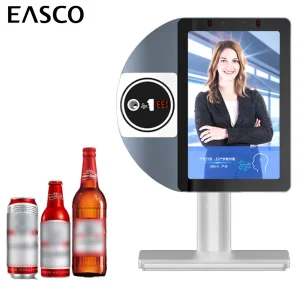
Easco Manufacturer Color Display High Definition Facial Recognition Biometric Access Control System Alcohol Breathalyzer Face Recognition Time Attendance
Explore Specifications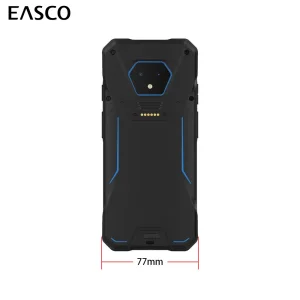
3.8V/5000mAh Removable Battery Handheld Biometrics Time Attendance Access Control System Face Recognition for on-Site Staff Checking
Explore SpecificationsNavigating Security Deployments in Comoros
As the Union of the Comoros experiences progressive infrastructure development across the major islands—Grande Comore (Ngazidja), Anjouan (Ndzuwani), and Mohéli (Mwali)—businesses, municipal bodies, and government ministries are transitioning rapidly to digital-first physical security frameworks. The intersection of economic modernization, expanding logistics hubs (such as the Port of Moroni and Mutsamudu Port), and the rising demands of localized administrative complexes has generated an urgent imperative for highly reliable Biometric Access Control Systems.
Critical Challenge: Power Continuity & Environmental Sustainability in East Africa
Unlike standardized security landscapes in Europe or mainland Asia, security integrators in the Comoros face distinct operational challenges. Power grids are subject to periodic fluctuations and load shedding. Therefore, hardware solutions with built-in backup power (such as high-capacity Lithium batteries) and low energy consumptions are not optional luxuries; they are fundamental operational imperatives. Furthermore, high relative humidity and saline atmospheric concentrations in coastal zones require outer casings constructed of treated aluminum alloys and high IP-rated weatherproofing to withstand corrosion.
Leading suppliers targeting this market must offer products configured with flexible communication capabilities. While global systems rely exclusively on continuous high-speed optical fiber, Comoros setups require dual-mode flexibility. Devices that utilize high-reliability wireless GPRS, 3G/4G, or stable Wi-Fi modules alongside localized TCP/IP allow operators to maintain real-time attendance databases even when primary wired network links experience localized dropouts.
Global Smart Access Control Industry & Trends
The international physical security paradigm is currently experiencing a massive consolidation toward multi-biometric modal integration. Standard proximity cards are no longer deemed sufficient due to "buddy punching" vulnerabilities and access card duplication risks. Instead, modern corporations leverage combined facial, palm vein, fingerprint, and RFID verification on single terminal interfaces to implement true Zero-Trust physical architectures.
Key Technological Advancements:
- Visible Light AI Facial Recognition: Utilizing deep-learning convolutional neural networks (CNNs), modern biometric devices detect and authenticate authorized faces from a distance of up to 3 meters, even under extreme backlighting.
- Thermal & Bio-metric Hybridization: The fusion of safety protocols (e.g., integrated breathalyzers or thermal imaging) is becoming mandatory in high-risk zones, manufacturing plants, and heavy transit shipping terminals.
- Linux and Android Open Architectures: Developers can now deploy custom APKs directly onto the terminals, integrating localized attendance management systems natively, which minimizes server round-trip latency.
Unrivaled Manufacturing & R&D Excellence
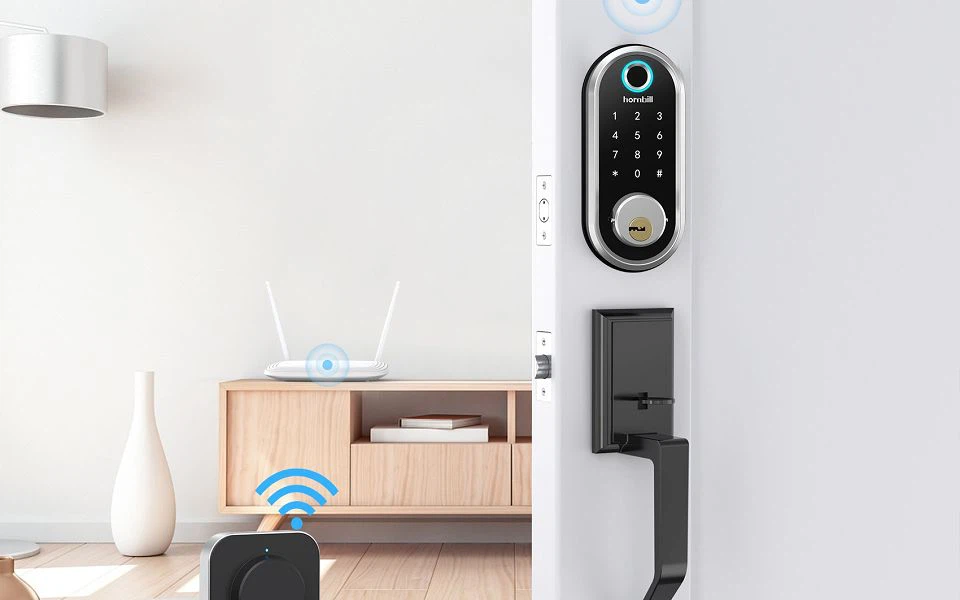
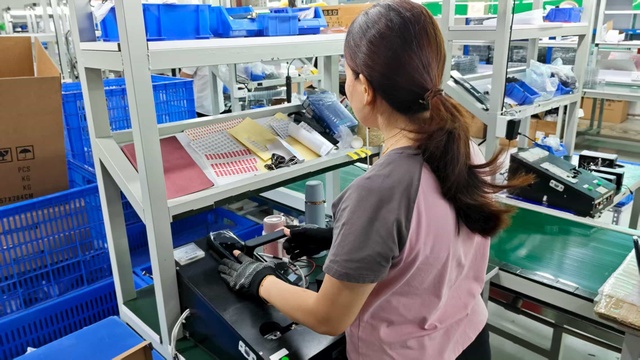
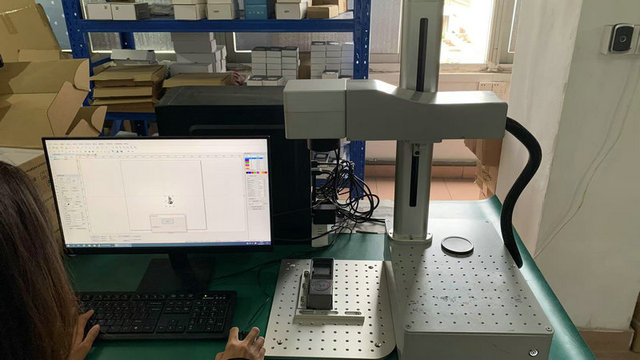
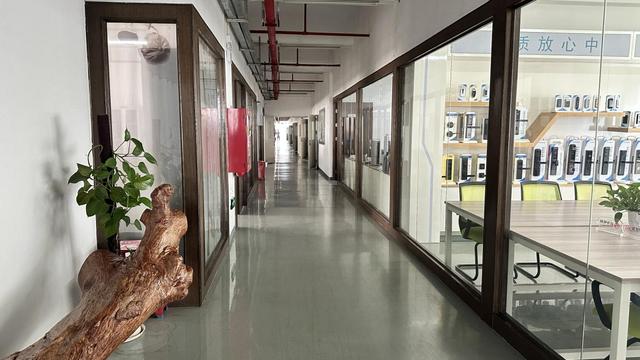
Sourcing premium smart locks and biometric readers from expert Chinese manufacturers, such as Dongguan Tahiti Lock Co., Ltd., offers substantial economic and technical leverage for Comoros security suppliers and contractors. Backed by 15+ years of dedicated smart-lock engineering, modern manufacturing plants combine rapid hardware customization (OEM/ODM services) with strict quality inspection.
By optimizing the industrial supply chain in Dongguan, our factories seamlessly integrate precise structural molding, high-durability electronic components, and advanced biometric core boards. This allows for rigorous testing procedures, including high-temperature resilience, saline corrosion-resistance tests, and cycle-life tests reaching up to 500,000 continuous operations.


Direct Benefits for B2B Importers in the Comoros:
Partnering directly with a high-capacity manufacturing base grants local distributors access to direct wholesale pricing, extensive SDKs for API system integration, custom firmware localizations (including French and Arabic options), and modular spare parts packages to ensure high uptime throughout the lifespan of the equipment.
Localized Deployment Scenarios in the Comoros
1. Academic & School Safety (Facial Recognition)
Educational institutions in Moroni and Mutsamudu utilize our 8 Inch Aluminum Alloy Android Facial Recognition system to log student check-ins dynamically. This significantly reduces manual administrative record-keeping and deters unauthorized visitors from entering campus parameters, safeguarding students and faculty alike.
2. Maritime Ports & Remote Logistics Depots
Given the distributed geography across three main islands, managing off-site logistics staff requires extreme agility. Deploying 3.8V/5000mAh battery-powered handheld biometric terminals enables team leads at regional port docks to execute precise liveness check-ins independent of localized grid availability, syncing data via GPRS immediately upon restoration of cell service.
3. High-Security Government & Banking Offices
Financial organizations and ministerial departments require fail-safe multi-factor authentication. Deploying hybrid terminals featuring both Palm Vein Recognition and high-accuracy fingerprint scanners provides double-layered physical security for server vaults, vital storage zones, and internal cash-transit rooms.
Full Enterprise Biometric System Portfolio
Browse our comprehensive lineup of industrial-grade fingerprint, facial recognition, and palm-vein access control models configured for seamless deployment and high-level structural security.
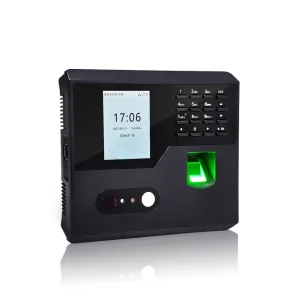
Biometric Fingerprint Access Control Facial Recognition Attendance System
Explore Specifications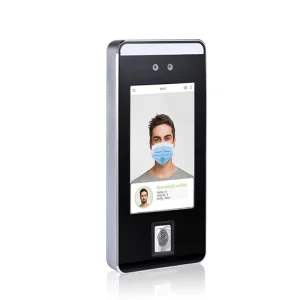
Provided TCP/IP WiFi 5 Inch Door Access Control System Biometric Face Recognition (HKS-60P)
Explore Specifications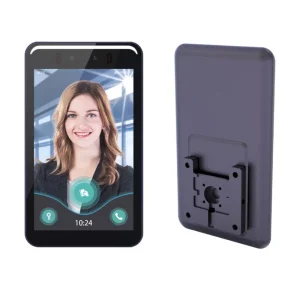
High Accuracy Facial Recognition Device Biometric Access Control System Integration Attendance Machine Face Recognition for Staff Room
Explore Specifications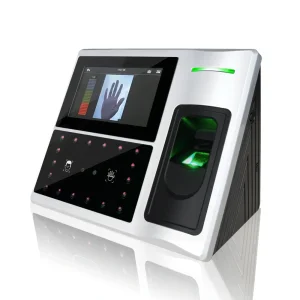
(FA1-P) Multi-Biometric Door Access Control System Support Palm Recognition
Explore Specifications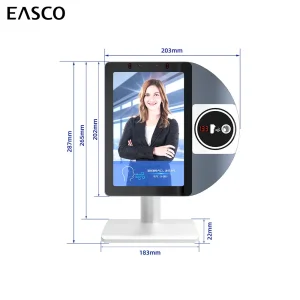
OEM ODM Supported Face Recognition Biometric Device Time Attendance Access Control System 15 Years Manufacturing Experience Attendance Machine
Explore Specifications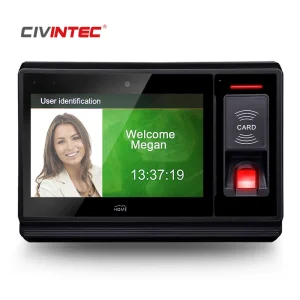
Linux Cloud Wiegand Biometric Time Attendance Machine RFID Door Access Control System with Camera
Explore Specifications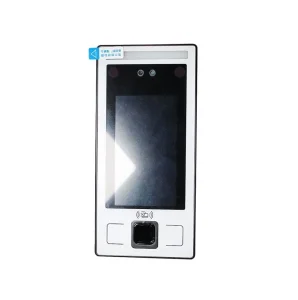
Fingerprint Scanner Access Control System Facial Recognition Biometrics
Explore Specifications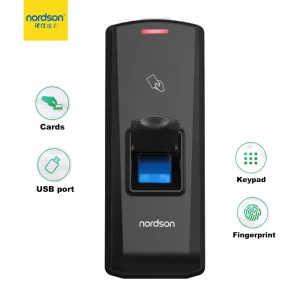
Digital Waterproof Outdoor Safe Biometric Fingerprint Scanner RFID Card Reader Access Control System with Keypad Option
Explore Specifications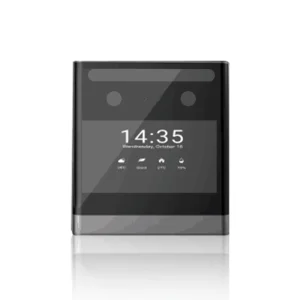
Economical Facial Recognition Biometric Time Attendance Door Access Control System
Explore Specifications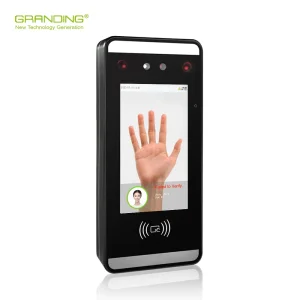
Visible Light Ai Face Camera Biometric Device Face Recognition RFID Card Access Control System with WiFi
Explore Specifications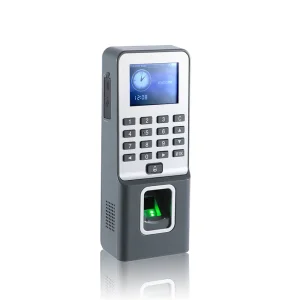
Biometrics Fingerprint Scanner Access Control System with TCP/IP and USB
Explore Specifications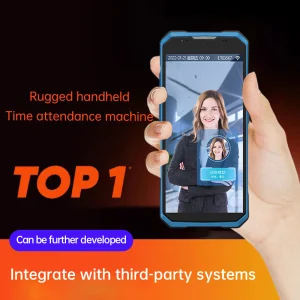
Auto-Focus Camera Portable Facial Recognition Biometrics Time Attendance Access Control System for Exhibition Staff Check-in
Explore SpecificationsTechnical & Commercial FAQ
Explore expert insights on deployment, hardware integration, and bulk procurement logistics for East African markets.
Electrical grids in isolated regions are prone to temporary drops and localized power cuts. Biometric access control terminals equipped with high-capacity integrated rechargeable batteries (like the GT210 model's built-in Li-battery or the 5000mAh battery in handheld models) provide continuous, autonomous operation for up to 4–8 hours without requiring external UPS backups. This ensures secure doorways remain operational and employees can log entry/exit times even during severe power grid outages.
Yes, our systems possess internal storage chips capable of storing up to 100,000 transaction logs and 10,000 user templates locally. In the event of network disruption, the terminal functions perfectly offline, running authentication matches on-device. Once GPRS, 3G/4G, or Wi-Fi signals are restored, the built-in communication engine pushes the cached logs automatically to the primary cloud server using encrypted TCP/IP protocols.
For installations near ports or coastal regions (such as Moroni, Mutsamudu, and Fomboni), we supply specialized models constructed with industrial-grade aluminum alloys and double-layered acrylic surfaces. Additionally, our outdoor-rated products (e.g., waterproof fingerprint/RFID card reader) feature internal silicone gel seals and specialized protective coatings for PCBs, yielding robust protection against high relative humidity, sea spray, dust, and rainfall.
Absolutely. Our terminals support multi-language configurations directly within the firmware settings (including English, French, Spanish, Arabic, and Portuguese). For developers and security systems integrators, we provide standard SDKs (Software Development Kits) compatible with Windows, Linux, and Android platforms, along with standard web APIs to facilitate smooth connection to existing human resources management, payroll databases, or localized ERP software.
To support local distributors and corporate buyers, we maintain dynamic MOQ policies. Small batches or sample orders (e.g., 2–10 units) can be dispatched quickly via express air cargo providers (like DHL or FedEx) directly from our China facilities, arriving in Comoros in approximately 7–12 days. For large-scale project installations, full-container-load (FCL) or less-than-container-load (LCL) ocean freight shipments can be coordinated through regional shipping lines arriving at Port Moroni.
Secure Your Comoros Infrastructure Today
Looking for custom biometric access configurations, detailed system architecture layouts, or bulk industrial price quotes? Reach out to our specialist R&D engineering team for a comprehensive technical proposal.
Send Inquiry Now