 Tahiti Lock
Architecting Mission-Critical Perimeter Security Infrastructure
An authoritative technical analysis for enterprise procurement officers, system integrators, and security architects evaluating international CE-certified access control hardware and physical barrier technologies.
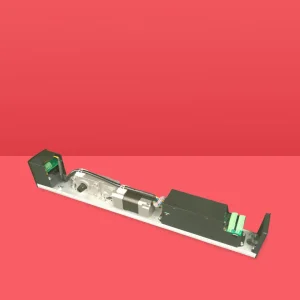
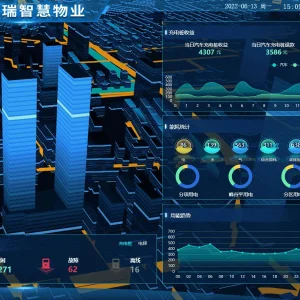
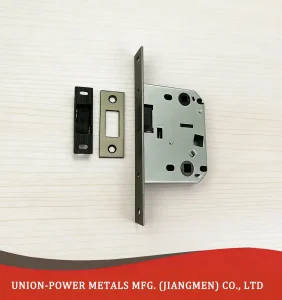
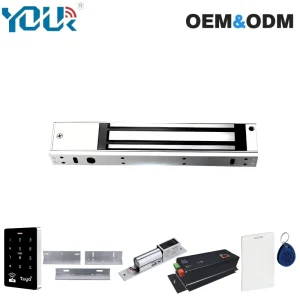
Featured Access Control & Smart Locking Hardware (Batch A)
Explore our top-tier CE certified smart locks, remote controllers, and electromagnetic locking hardware designed for commercial and industrial perimeter integration.
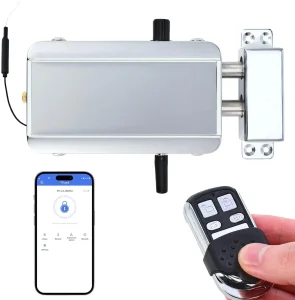
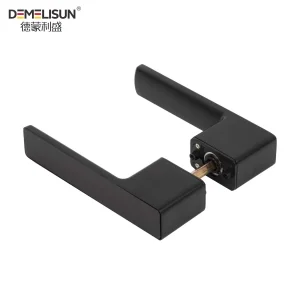
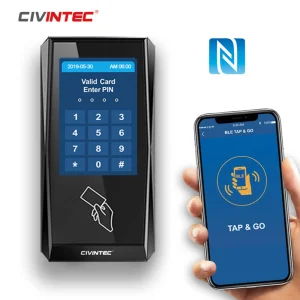
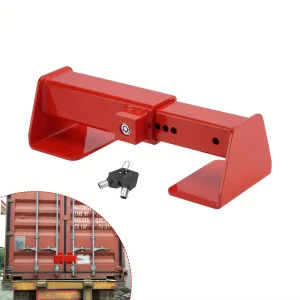
Multi-Layered Perimeter Defense Architecture
Holistic security planning relies on deep defense-in-depth methodologies. Physical access control hardware acts as the critical physical enforcement node in a multi-tier protective shield.
1. Outer Boundary & Radar PIDS
The first defense line integrates micro-wave radar, infrared beams, and smart fence detection. Systems trigger real-time alert logs back to central management nodes while priming secondary door lock holding circuits to prevent immediate breach escalation.
2. Access Point Electromechanical Locking
Entry/exit gates and automated sliding doors utilize heavy-duty electro-magnetic locks (up to 180kg-500kg holding force) equipped with internal varistors to prevent voltage spike tampering and ensure fail-safe or fail-secure operation during power interruptions.
3. Biometric & Cloud Verification
At building envelope access terminals, readers leverage dual-frequency RFID (13.56MHz / 125kHz), dynamic QR codes, dynamic HTTP/MQTT cloud protocols, and AI 3D facial recognition, enabling encrypted multi-factor authentication within 0.2 seconds.
Achieving CE Certification for perimeter security products is non-negotiable for deployment in European and international jurisdictions. Hardware must comply with EN 61000-6-3 for electromagnetic emission standards and EN 61000-6-1 for immunity. Electromechanical strike and magnetic locks must also comply with safety directives under LVD (Low Voltage Directive 2014/35/EU), ensuring electrical insulation safety, heat dissipation tolerance, and environmental durability up to 500,000 continuous operation cycles.
Why Global Buyers Source Perimeter Security from Specialized Chinese Factories
China’s specialized security manufacturing hubs, particularly located in Guangdong’s Dongguan industrial corridor, offer unmatched structural advantages for international B2B buyers.
End-to-End Vertical Supply Chain Integration
Chinese manufacturing clusters house complete vertical supply chains within a 50-kilometer radius—ranging from precision zinc alloy die-casting, high-purity copper electromagnetic coil winding, to SMT automated circuit board assembly. This concentration drastically reduces component lead times, streamlines raw material sourcing, and maintains consistent metal purity and corrosion resistance.
Rapid R&D Iteration & Custom OEM/ODM Capabilities
Leading factories possess dedicated R&D engineering teams equipped with 3D prototyping tools, finite element analysis (FEA) software, and automated firmware testing rigs. Whether custom bracket dimensions (e.g., U-brackets for glass doors), tailored voltage requirements (12V/24V dual input), or specialized cloud APIs (Tuya, MQTT, HTTP REST) are needed, Western brand owners can move from concept to mass production in under 45 days.
Strict Automated Quality Control Rigs
Leading exporters deploy high-precision testing machinery including salt-spray corrosion chambers (reaching ISO 9227 standards), tensile strength pull-testers, high/low-temperature thermal cycling chambers, and electro-magnetic flux meters. Every production batch undergoes 100% automated electrical safety and holding-force validation prior to international export packaging.
Total Cost of Ownership (TCO) Optimization
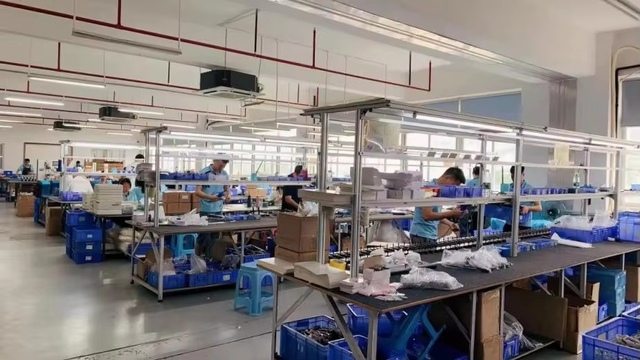
Through economies of scale and highly automated assembly lines, Chinese suppliers deliver enterprise-grade hardware at a fraction of the cost of legacy Western suppliers. This price-to-performance ratio enables system integrators to submit highly competitive project bids without compromising on safety certifications, mechanical longevity, or technical features.
Target Deployment Environments & Hardware Specifications
Matching the appropriate locking hardware and perimeter control system with key architectural deployment scenarios ensures optimal performance and regulatory compliance.
| Application Scenario | Primary Threat Vector | Recommended Hardware Solution | Key Features & Technical Protocol |
|---|---|---|---|
| Commercial Office Buildings | Tailgating, unauthorized entry, lost keycards | Facial Recognition Access Control + Mini Magnetic Locks | WiFi / 4G connectivity, dynamic password, anti-passback software integration |
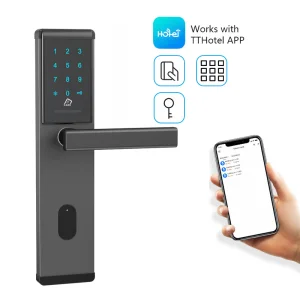
| Boutique Hotels & Resorts | Unmonitored key duplicating, access credential theft | TTHotel Online Cloud Wooden Door Locks + RFID Smart Locks | Cloud management console, remote key issuance, temporary guest QR-codes |
| Logistics Hubs & Cargo Containers | Cargo tampering, perimeter fence forcing, harsh weathering | Heavy-Duty Container Cargo Locks + Waterproof RFID Terminals | Hardened steel alloy body, IP68 waterproofing, high impact resistance |
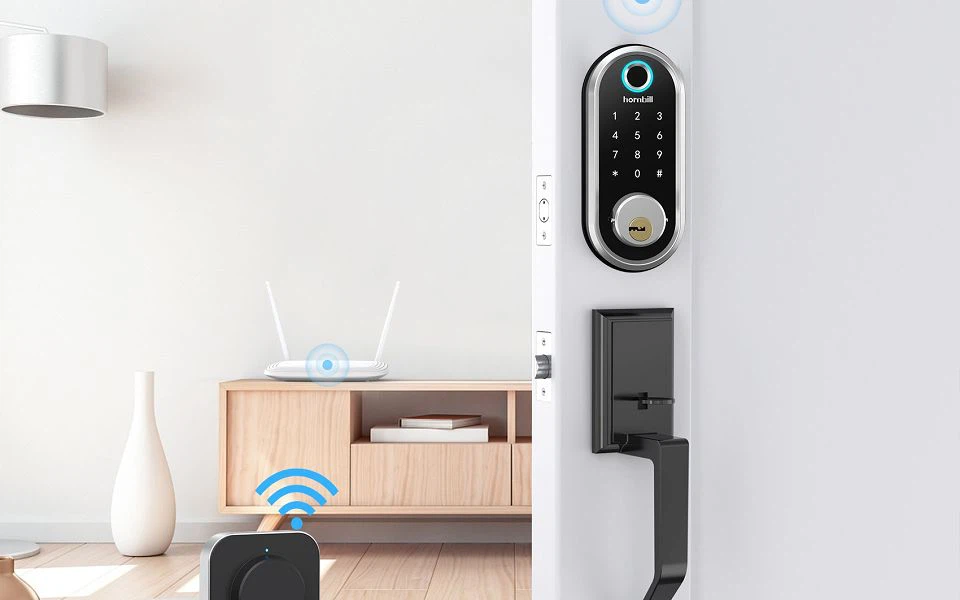
| Smart Residential Towers | Burglaries, physical door lock prying | Tuya App Remote Control Hidden Smart Locks + Zinc Handle Locks | Keyless Bluetooth/RF control, hidden anti-pry lock body, emergency battery bypass |
| Data Centers & Critical Facilities | Insider threats, physical server breach | Elevator Face Recognition Control + Ultra-Low Power RFID Terminals | Multi-factor authentication (Biometric + Card), audit logging, HTTP/MQTT API push |
Key Technological Trends Reshaping Perimeter Security
Driven by advances in IoT edge computing, cloud architecture, and artificial intelligence, the perimeter security landscape is undergoing rapid innovation.
Cloud-Native Lock Systems
Transitioning from localized on-premise door controllers to HTTP/MQTT cloud-managed platforms (such as TTHotel & Tuya Ecosystems). This allows remote site administrators to revoke privileges, issue digital visitor passes, and monitor battery statuses globally in real time.
Ultra-Low Power IoT Components
Integration of low-energy microcontrollers and sub-GHz wireless modules allows smart battery-powered door terminals to operate reliably for up to 18-24 months without cell replacement, drastically cutting routine physical maintenance costs.
Multimodal Biometrics at the Edge
Combining 3D structured-light facial recognition with palm vein and RFID card reading directly on edge terminals. Edge processing ensures instantaneous verification even during localized network drops or server outages.
Dongguan Tahiti Lock Co., Ltd.
Excellence in Smart Access Control Manufacturing and Custom Electric Lock Hardware






Featured Access Control & Smart Locking Hardware (Batch B)
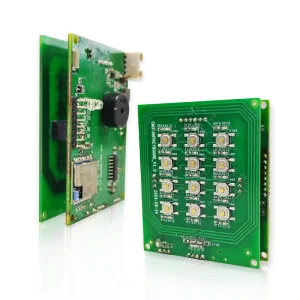
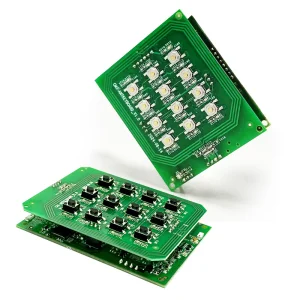
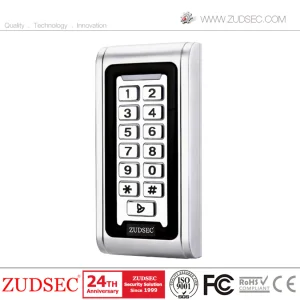
Comprehensive access control systems, biometric door controllers, cloud lock software solutions, and specialized building security terminals.
Frequently Asked Questions (FAQ)
Key technical insights, regulatory guidance, and operational directives for international distributors, system integrators, and security contractors.
CE Certification for access control systems requires compliance with two mandatory European Directives: the Low Voltage Directive (LVD 2014/35/EU) and the Electromagnetic Compatibility Directive (EMC 2014/30/EU). Testing involves evaluating insulation resistance, voltage surge withstand capability, radiated emissions (EN 61000-6-3), and immunity against electrostatic discharge (ESD EN 61000-4-2). Hardware certified under these standards ensures seamless integration without causing radio frequency interference or failing during electrical fluctuations.
Holding force selection depends entirely on the vulnerability rating of the access portal. A 180kg (350lbs) holding force lock (such as the YS6-180 series) is suitable for internal office doors, secondary perimeter access, and lightweight aluminum frame structures. Conversely, high-security outer perimeters, cargo storage enclosures, and heavy metal security gates mandate magnetic locks or electro-strike mechanisms rated at 350kg to 500kg+ to withstand sustained dynamic impacts and forced entry attempts.
Yes. Modern smart terminals such as the Civintec CT9 series feature open API architectures supporting direct HTTP/HTTPS requests, WebSocket connections, and MQTT messaging protocols. This allows enterprise IT teams and security integrators to bridge access control logs, biometric events, and remote door unlock commands directly into custom ERP platforms, hotel management software (HMS), or centralized building management systems (BMS).
Fail-Safe locks (commonly magnetic locks) automatically disengage and unlock when electrical power is disconnected. These are mandatory on emergency egress pathways to ensure occupants can exit safely during fire evacuations or power outages. Fail-Secure locks (commonly electromechanical latches) remain locked when power is severed, maintaining perimeter isolation to prevent unauthorized entry during power loss. Enterprise deployments typically combine both types based on local fire safety codes and perimeter risk profiles.
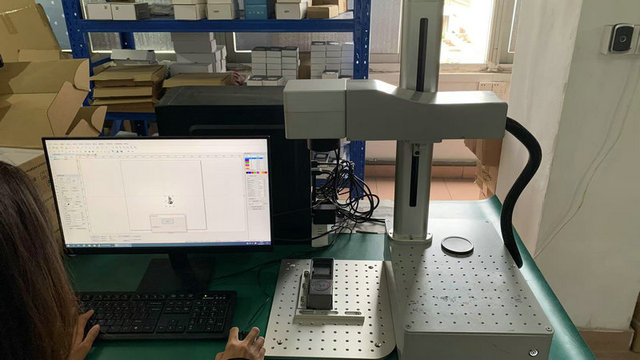
OEM/ODM services encompass custom exterior housing finishes (zinc alloy powder coating, electroplating, anodized aluminum), laser-etched brand logos, specialized mounting brackets (U-brackets, L-brackets, Z-brackets), tailored PCB voltage inputs, custom firmware UI, and localized cloud software white-labeling. Minimum order quantities (MOQs) for customized production runs are designed to accommodate both regional distributors and enterprise project bids.
Outdoor units feature IP65 to IP68 sealed resin-filled enclosures, UV-resistant optical sensors, silicone gasket linings, and anti-condensation circuit coatings. Combined with high-grade zinc alloy casing, these components operate smoothly in temperature ranges spanning from -25°C to +70°C, resisting rain, dust, salt-fog corrosion, and direct sunlight exposure.