Tahiti Lock
Industrial-Grade Core Systems — Premium Showcase
Explore our leading physical security architectures integrated with electronic controls, RFID systems, and advanced mechanical overrides for heavy industrial, hospitality, and residential deployments.
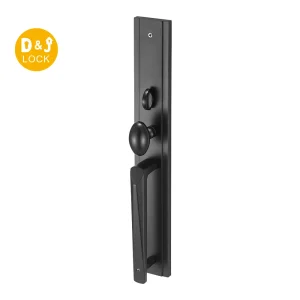
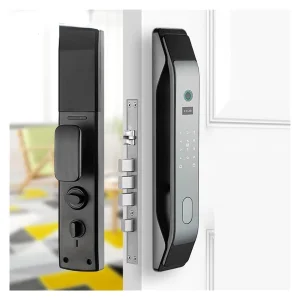
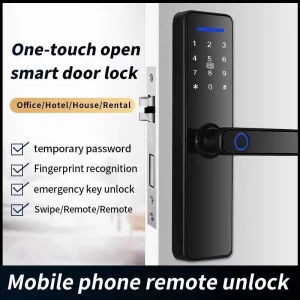
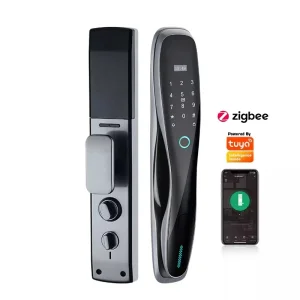
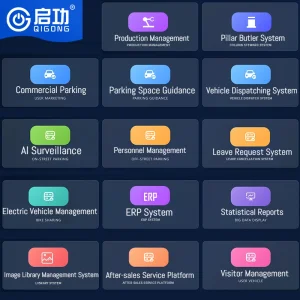
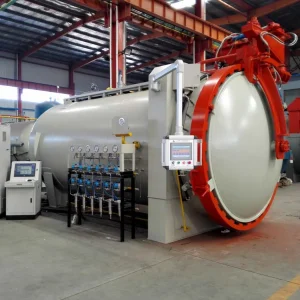
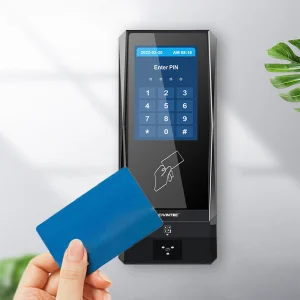
1. Global Commercial & Industrial Safety Lock Trends
Comprehensive market analysis: How IoT convergence, biometric protocols, and extreme physical vulnerability audits are reshaping perimeter security protocols across modern infrastructure.
Architectural Convergences
The global access management sector is shifting from passive physical locksets to active, IP-based electromechanical nodes. Security systems must now guarantee high-integrity mechanical backup keys while simultaneously integrating real-time telemetry into modern Building Management Systems (BMS).
IoT Protocol Integration
Commercial locking structures now operate directly over low-power wide-area networks, incorporating Bluetooth Low Energy (BLE), Wi-Fi, 4G, and NFC interfaces. This enables facility managers to provision dynamic digital keys, execute remote lockouts, and manage credentials instantly across multiple sites.
Evolving Building Codes
Safety lock technology must align with strict life safety codes, including NFPA 101, ADA compliance, and ANSI/BHMA certifications. In emergency situations, locksets must support single-motion egress, while maintaining high security against forced external entry.
Across the globe, rapid urbanization and heightened regulatory pressure are driving the demand for sophisticated lock architectures. Industrial operations require robust mechanical designs, such as SUS 304 stainless steel deadbolts and heavy-duty ANSI Grade 1 mortise locksets, capable of withstanding millions of opening cycles under harsh ambient conditions. At the same time, high-density residential and hospitality projects are moving away from traditional mechanical keys. By adopting cloud-connected software ecosystems, these properties can reduce operation costs, prevent unauthorized key duplication, and keep detailed, tamper-proof logs of every access event.
As security boundaries shift to the network edge, smart locking mechanisms must also feature advanced encryption, including AES-128 or AES-256 bit encryption protocols. This protection defends the locks against sniffing attacks and relay hacks, ensuring that physical entrances remain secure against both traditional tools and digital exploits.
Corporate Engineering Profile: Dongguan Tahiti Lock Co., Ltd.
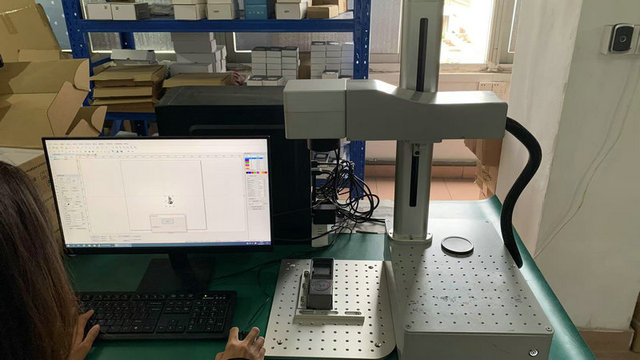
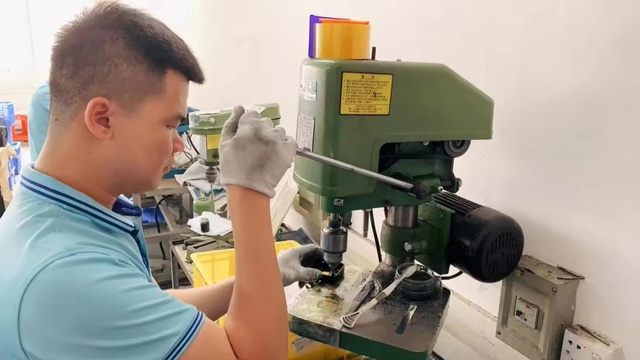
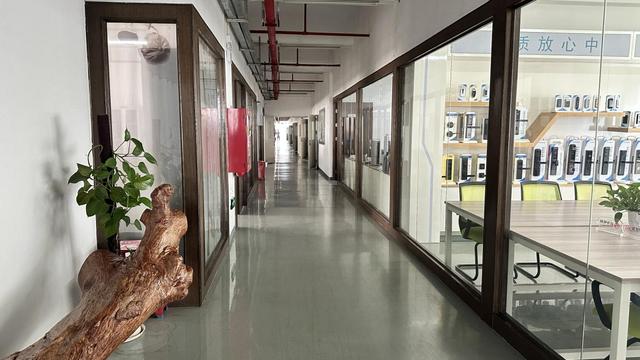
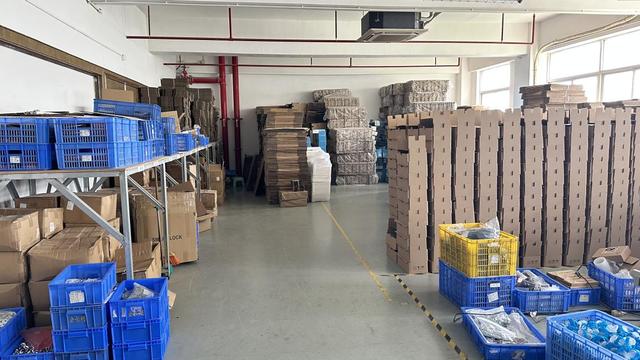
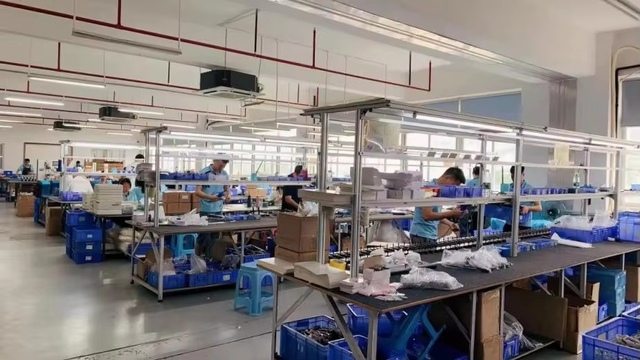
Dongguan Tahiti Lock Co., Ltd. is a professional manufacturer specializing in smart access control systems and electric locks, providing integrated commercial security solutions for global customers. With a strong focus on innovation, reliability, and safety, the company is committed to developing advanced locking technologies that meet the evolving needs of modern buildings, enterprises, and industrial facilities.
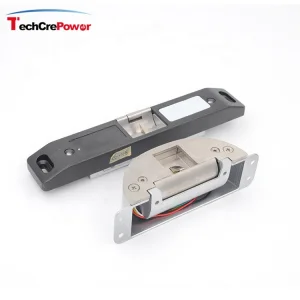
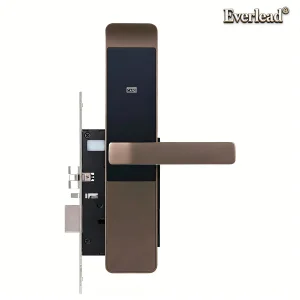
Our product portfolio covers a wide range of smart security solutions, including access control systems, electric strike locks, magnetic locks, biometric locks, and intelligent door locking systems. These products are widely used in offices, residential complexes, hotels, hospitals, warehouses, and commercial buildings, ensuring secure, convenient, and efficient access management.
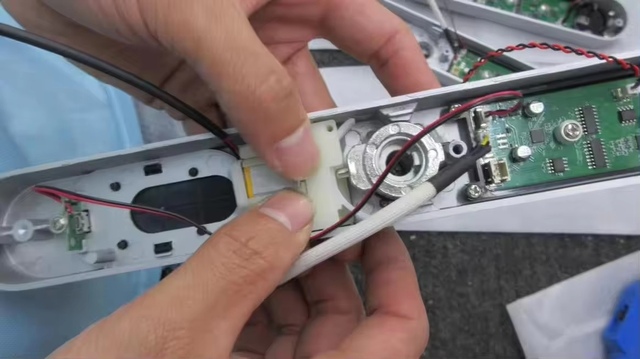
Backed by a skilled R&D team and advanced manufacturing capabilities, Dongguan Tahiti Lock Co., Ltd. continuously improves product performance and durability while maintaining strict quality control standards. The company adheres to international certifications and testing requirements, ensuring that each product delivers stable operation and long service life.
In addition, we provide OEM and ODM services to support brand customization and project-specific requirements. With a customer-centric approach and global service network, Dongguan Tahiti Lock Co., Ltd. aims to be a trusted partner in delivering high-quality smart security solutions worldwide.

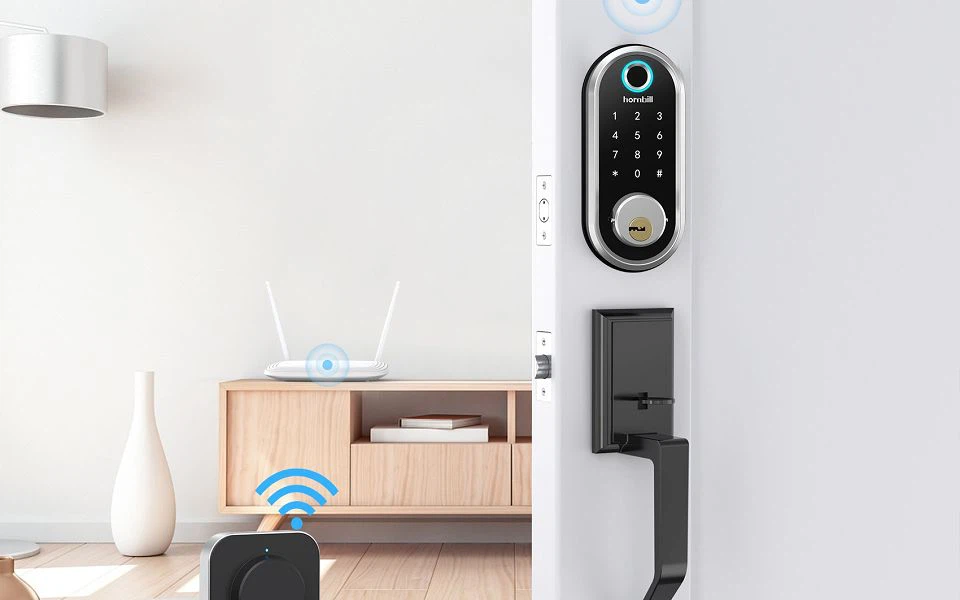



2. Enterprise Security Architecture & Industrial Solutions
How specialized organizations implement physical protection, emergency egress systems, and automated control networks to minimize threat profiles.
Smart Hospitality Systems
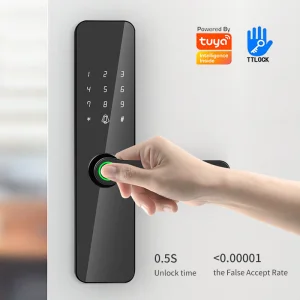
Integrating Bluetooth (BLE) and RFID technologies directly into hotel door structures. Using TTLock and Tuya application suites allows property owners to distribute encrypted access codes, view digital entry logs, and reduce standard check-in overhead costs.
Aerospace & Precision Manufacturing
For research institutes and Tier-1 aerospace suppliers, environmental control systems—such as autoclave vacuum and heat configurations—require secure door systems that lock based on temperature and pressure, ensuring safety during high-temperature cycles.
Critical Commercial & Fire Life Safety
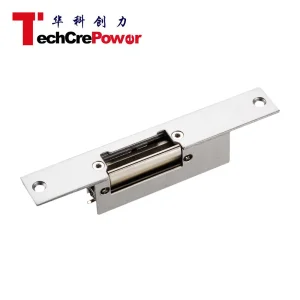
Using electric strike locks and fire push bar exit systems to meet fire egress laws. Our locks switch to fail-safe or fail-secure modes instantly upon fire alarm activation, keeping evacuation routes open while protecting building perimeters.
Biometric Edge Access Controls
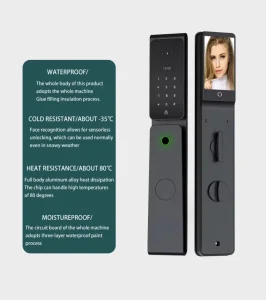
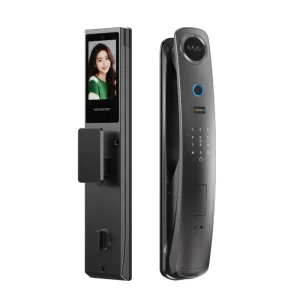
Leveraging 3D structured light facial recognition and palm vein biometrics to eliminate credential sharing. These systems verify identities in milliseconds, even in low light, offering high defense against presentation attacks (spoofing).
Mobile High-Density Archiving
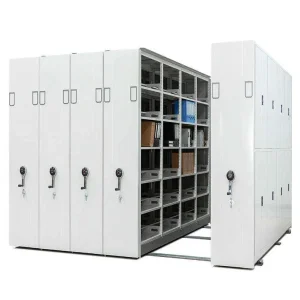
Providing secure, high-density archives for government, legal, and financial storage. Our electronic locking systems secure files down to the shelf level, keeping detailed access history logs to protect valuable records.
3. Technical Roadmap: The Future of Access Architecture (2025–2030)
A comprehensive projection of emerging access control technologies, highlighting the transition to zero-trust networks, edge computing, and decentralized credentials.
Phase 1: Local AI Edge Processing
Integrating local neural processing units (NPUs) into biometric locking assemblies. This allows facial, iris, and voice recognition to process locally on the device, eliminating latency and protecting user data by keeping biometrics off the cloud.
Phase 2: Ultra-Wideband (UWB) & Hands-Free Entry
Deploying UWB chips for precise spatial awareness. Users can enter secure areas without taking their mobile device or physical key card out of their pocket, with the system maintaining high security against relay attacks.
Phase 3: Decentralized Identity & Self-Sovereign Access
Integrating credentials with decentralized digital IDs. Users control their own security profile, with locks verifying permissions using cryptographic signatures, removing the risk of centralized data breaches.
4. Technical Q&A: Architectural Lock Design & Application
Expert engineering insights regarding product selection, regulatory compliance, and mechanical design limitations for large-scale security installations.
Advanced Hardware Portfolio — Technical Specifications
Analyze our range of specialized glass hardware, high-load sliding doors, emergency exit locks, and heavy-duty smart lock solutions built for commercial and residential installations.