 Tahiti Lock
High-Performance Access & Emergency Exit Systems
Explore our engineered security components, emergency exit strikes, biometric gate controllers, and ANSI Grade 1 panic-rated hardware designed for global commercial and industrial facilities.

Global Procurement Landscape & Enterprise Emergency Exit Market Analysis
In modern architectural engineering and high-occupancy facility management, emergency exit systems represent the critical intersection between physical perimeter security and human life safety. As global building codes undergo rigorous modernization—driven by international standards such as NFPA 101 (Life Safety Code), EN 1125 (Panic Exit Devices), and the International Building Code (IBC)—enterprise procurement departments face complex challenges. Sourcing panic hardware, electromechanical strikes, magnetic locks, and intelligent egress monitoring equipment requires a deep alignment between strict regulatory compliance and robust operational durability.
The commercial building emergency exit market is shifting rapidly from isolated mechanical panic bars toward integrated, intelligent egress architectures. Modern enterprises demand custom OEM/ODM solutions capable of interfacing with centralized Fire Alarm Control Panels (FACP), Building Automation Systems (BAS), and AI-driven access control servers. Whether outfitting multi-story logistics hubs, medical centers, high-traffic transportation terminals, or commercial retail complexes, security directors must ensure zero-fail immediate unlatching during power loss or emergency triggers while preserving structural resistance against unauthorized forced entry.
Industrial Emergency Exit System Architecture & Technical Specifications
A complete commercial emergency exit ecosystem relies on precision electromechanical components engineered to operate seamlessly under extreme conditions. Below is a structural analysis of core emergency egress components and technical specifications manufactured by custom OEM factories:
Fail-Safe vs. Fail-Secure Mechanism
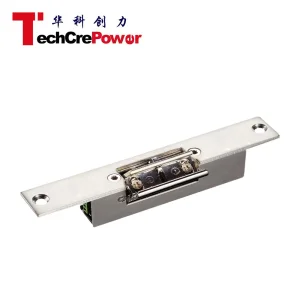
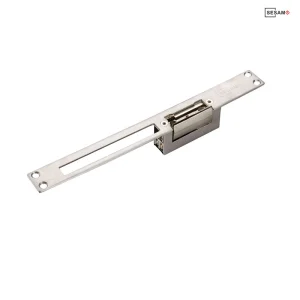
Emergency strike locks and electromagnetic release systems feature dynamic coil configurations. Fail-Safe locks automatically release latch bolts upon loss of power, meeting mandatory fire exit codes, whereas Fail-Secure devices maintain perimeter lockdown during external power interruptions.
ANSI Grade 1 Heavy Duty Latches
Engineered from investment-cast stainless steel (SUS304/SUS316) and high-density zinc alloy, OEM exit components withstand operational fatigue exceeding 1,000,000 continuous mechanical cycles under high static pressure loads.
AI & Biometric Access Integration
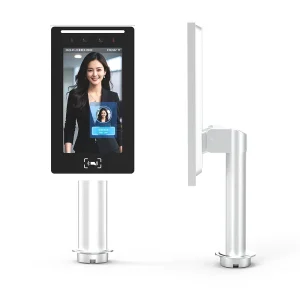
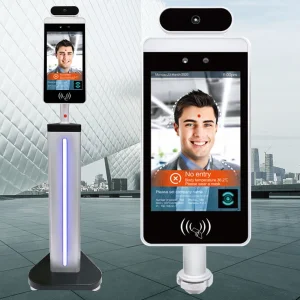
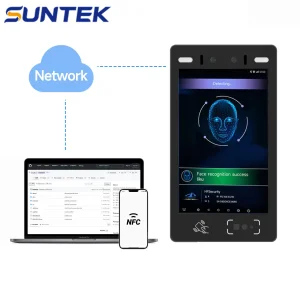
Combining 3D living face recognition terminals with thermal imaging sensors guarantees secure entry validation while maintaining instantaneous push-bar exit overrides for panic egress compliance.
Dongguan Tahiti Lock Co., Ltd. — Manufacturing Expertise & Custom OEM/ODM Capabilities
Dongguan Tahiti Lock Co., Ltd. is a professional manufacturer specializing in smart access control systems and electric locks, providing integrated commercial security solutions for global customers. With a strong focus on innovation, reliability, and safety, the company is committed to developing advanced locking technologies that meet the evolving needs of modern buildings, enterprises, and industrial facilities.

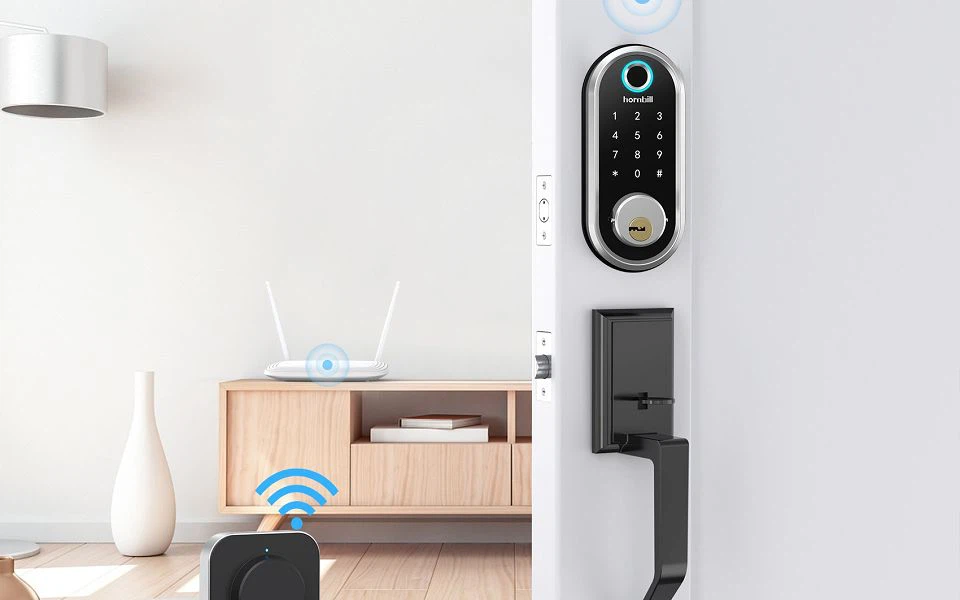
Our product portfolio covers a wide range of smart security solutions, including access control systems, electric strike locks, magnetic locks, biometric locks, and intelligent door locking systems. These products are widely used in offices, residential complexes, hotels, hospitals, warehouses, and commercial buildings, ensuring secure, convenient, and efficient access management.
Backed by a skilled R&D team and advanced manufacturing capabilities, Dongguan Tahiti Lock Co., Ltd. continuously improves product performance and durability while maintaining strict quality control standards. The company adheres to international certifications and testing requirements, ensuring that each product delivers stable operation and long service life.
In addition, we provide OEM and ODM services to support brand customization and project-specific requirements. With a customer-centric approach and global service network, Dongguan Tahiti Lock Co., Ltd. aims to be a trusted partner in delivering high-quality smart security solutions worldwide.
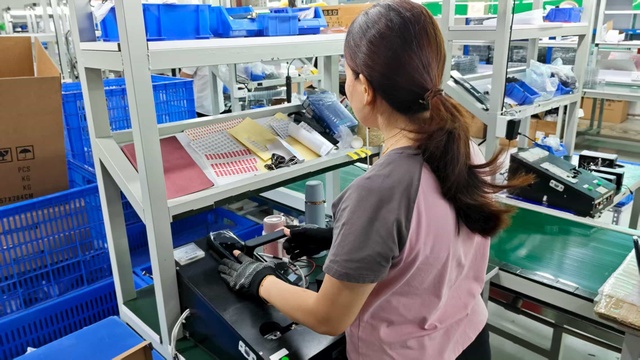
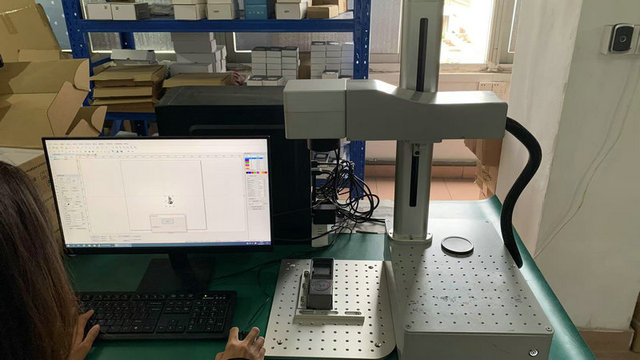
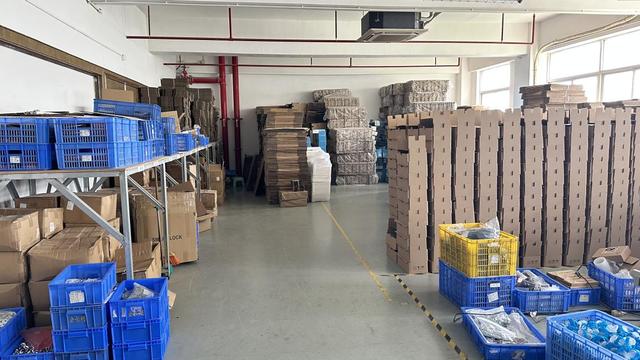
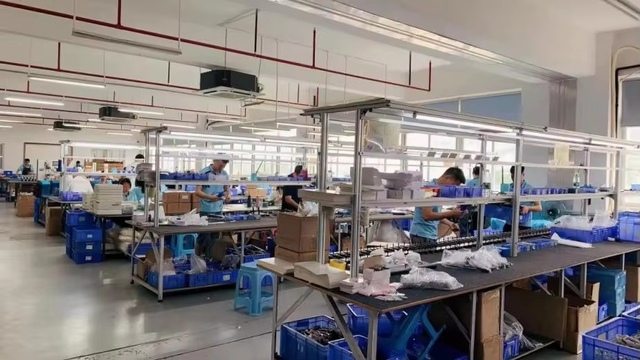
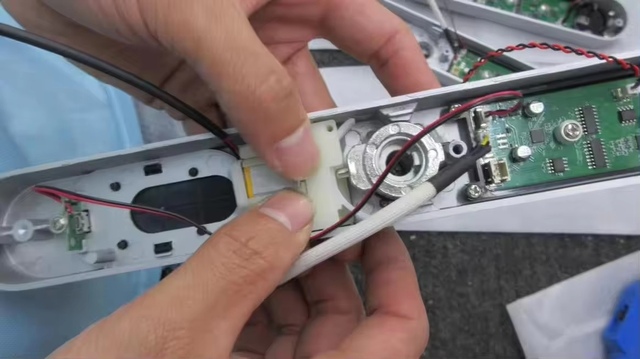
State-of-the-Art Production & Testing Infrastructure




Global Compliance, Life Safety Standards & Regional Engineering Guidelines
Deploying emergency exit systems across international territories mandates compliance with strict regional life safety codes. Custom OEM suppliers must precision-test hardware to meet or exceed regional certification benchmarks:
North American Standards (UL & ANSI/BHMA)
Architectural exit hardware must strictly adhere to UL 305 (Standard for Panic Hardware) and UL 10C (Positive Pressure Fire Tests of Door Assemblies). ANSI Grade 1 certifications mandate endurance through 1 million cycles under lateral load stress, ensuring structural integrity in high-occupancy commercial structures.
European Standards (CE, EN 1125 & EN 179)
European regulations differentiate public emergency exits (EN 1125 panic horizontal push-bars for environments where panic situations may arise) from emergency exit devices (EN 179 push-pads or levers for trained personnel). Mechanical latch release must occur with under 80N of applied pressure.
Middle East & APAC Regulatory Adaptations
Rapid urbanization across Dubai (Civil Defense approved), Singapore (SCDF regulations), and Hong Kong requires exit hardware engineered with anti-corrosive electroplating to withstand extreme ambient temperatures, humidity, and salt spray environments without mechanical binding.
Custom OEM Sourcing & Engineering Manufacturing Roadmap
From initial CAD/BIM blueprint modeling to mass-production line assembly, Dongguan Tahiti Lock Co., Ltd. executes a rigorous 6-phase engineering protocol for commercial enterprise clients:
Phase 1: Architectural Blueprint Review
Evaluation of door push/pull dynamics, frame strike cutouts, backset dimensions, and localized fire rating directives.
Phase 2: Tooling & Metallurgy Selection
Precision CNC milling, zinc alloy die-casting, and 304 stainless steel lost-wax investment casting for physical durability.
Phase 3: Electromechanical Circuit Design
Integration of wide-voltage solenoid coils (DC12V/DC24V), low power consumption PCB drives, and signal monitoring microswitches.
Phase 4: Environmental & Fatigue Stress Testing
Subjecting prototypes to salt spray corrosion chambers, thermal shock tests (-25°C to 70°C), and automated push-bar cycle rigs.
Phase 5: Certifications & Batch Production
Final assembly under ISO9001 standard procedures with traceable serial number laser engraving for life safety auditability.
Phase 6: Global Supply Chain & Logistics
Custom branded enterprise packaging, localized multi-language installation manuals, and international freight fulfillment.
Technological Roadmap: The Evolution of Intelligent Egress Systems
As smart cities and IoT-enabled commercial complexes become mainstream, the hardware supporting physical security and life safety is undergoing a digital revolution. Next-generation emergency exit solutions integrate deeply into network ecosystems:
Wireless Mesh Monitoring (Zigbee / Bluetooth Mesh)
Traditional panic hardware relied exclusively on hardwired signaling switches. Emerging OEM systems feature integrated low-power wireless transceivers that communicate door position latch status directly to cloud dashboards in real-time.
AI Dynamic Egress Routing
In multi-story emergency scenarios, centralized AI security controllers dynamically analyze fire location telemetry. Integrated smart strikes and optical exit indicators automatically lock hazardous exit paths while illuminating safest alternative escape corridors.
Touchless & Thermal Biometric Release
Combining high-speed binocular facial recognition with infrared body temperature diagnostics allows frictionless access in cleanroom environments, medical surgical suites, and high-security research centers.
Specialized Access Control Locks & OEM Components
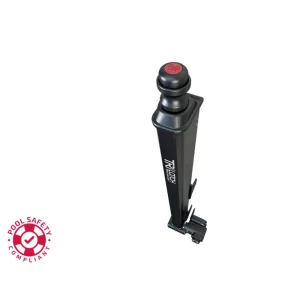
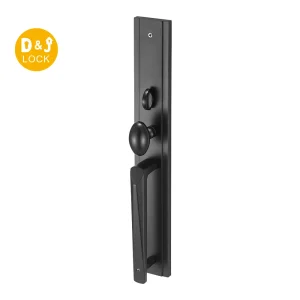
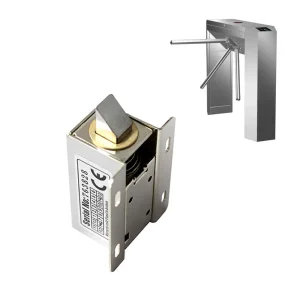
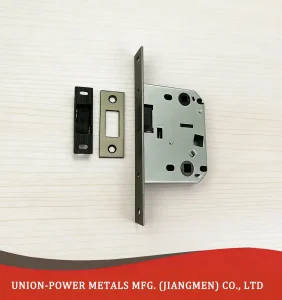
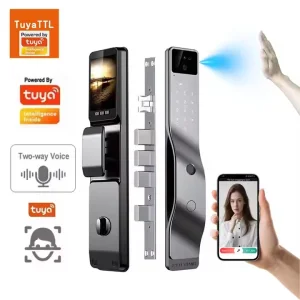
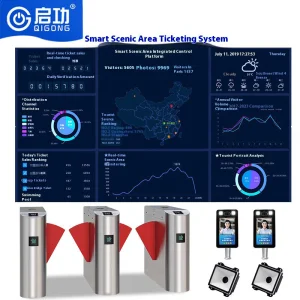
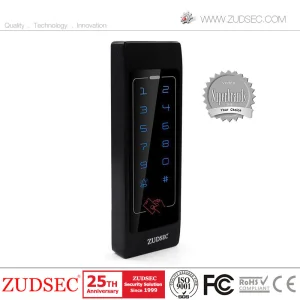
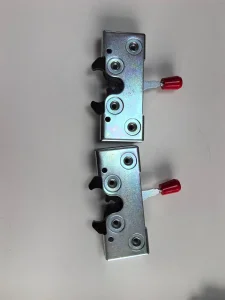
Browse our comprehensive catalog of electromagnetic locks, smart digital deadbolts, heavy-duty lever locksets, and vehicular safety latch mechanisms:
Frequently Asked Questions (FAQ) — Engineering & Sourcing
Expert answers regarding technical installation, emergency fire compliance, OEM custom manufacturing options, and procurement standards.
A Fail-Safe electric strike requires continuous electrical power to stay locked. When power is interrupted—such as during a mains failure or a signal from the central fire alarm system—the latch mechanism automatically unlocks, allowing unimpeded exit egress. A Fail-Secure strike remains locked when power is lost, preserving physical security. Commercial emergency exit doors overwhelmingly utilize Fail-Safe configurations or mechanical panic bars to comply with life safety mandates.
Dongguan Tahiti Lock Co., Ltd. executes strict quality assurance protocols at every manufacturing stage. All mechanical components undergo lifecycle endurance testing exceeding 1,000,000 continuous operations (ANSI Grade 1 benchmark). Electronic strikes, biometric terminals, and magnetic locks are subject to 100% full-load burn-in tests, high-voltage surge protection validation, salt-spray corrosion tests, and thermal resistance checks prior to shipping.
Yes. Modern architectural hardware seamlessly combines exterior biometric access (e.g., 3D dynamic face recognition, RFID card keypads, or Bluetooth access) with interior mechanical panic crash bars or electric strike releases. Authorized users can gain access from the exterior via smart credentials, while occupants inside the building maintain instant physical push-bar exit override capabilities at all times.
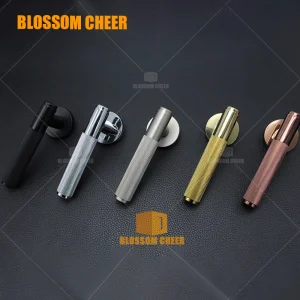
As a dedicated OEM/ODM manufacturer, we offer comprehensive customization options including laser-engraved corporate logos on stainless steel faceplates, custom housing colors (matte black, brushed satin chrome, polished brass, oxide bronze), custom packaging design, localized wire-harness lengths, and tailored PCB firmware protocols.