Smart buildings promise comfort, efficiency, and safer daily operations. Yet connected doors, cameras, elevators, sensors, and building-management systems also create more digital entry points. The central question is not whether a building is connected. It is how modern security systems work in smart buildings and whether they can respond before a small anomaly becomes a serious disruption.
IBM’s Cost of a Data Breach Report 2024 placed the global average breach cost at $4.88 million. Verizon’s 2024 Data Breach Investigations Report also found that the human element appeared in 68% of breaches. These figures matter inside buildings, where one stolen credential can affect both data and physical access. Modern systems therefore combine identity verification, video analytics, network monitoring, encryption, and automated alerts. Access rules can change by person, time, location, and risk level. A security team may see an unusual badge entry beside a restricted server room within seconds.
Security technologist Bruce Schneier offers a useful warning: “Security is a process, not a product.” His principle fits smart buildings closely. Protection depends on continuous updates, staff training, tested recovery plans, and careful vendor oversight. NIST’s Zero Trust Architecture guidance supports this approach by requiring ongoing verification rather than automatic trust.
Still, technology is not a magic shield. A poorly configured sensor remains a weakness. An overloaded dashboard can hide the important signal. This is where many projects need honest reflection: connected does not always mean secure, and more data does not guarantee better judgment.
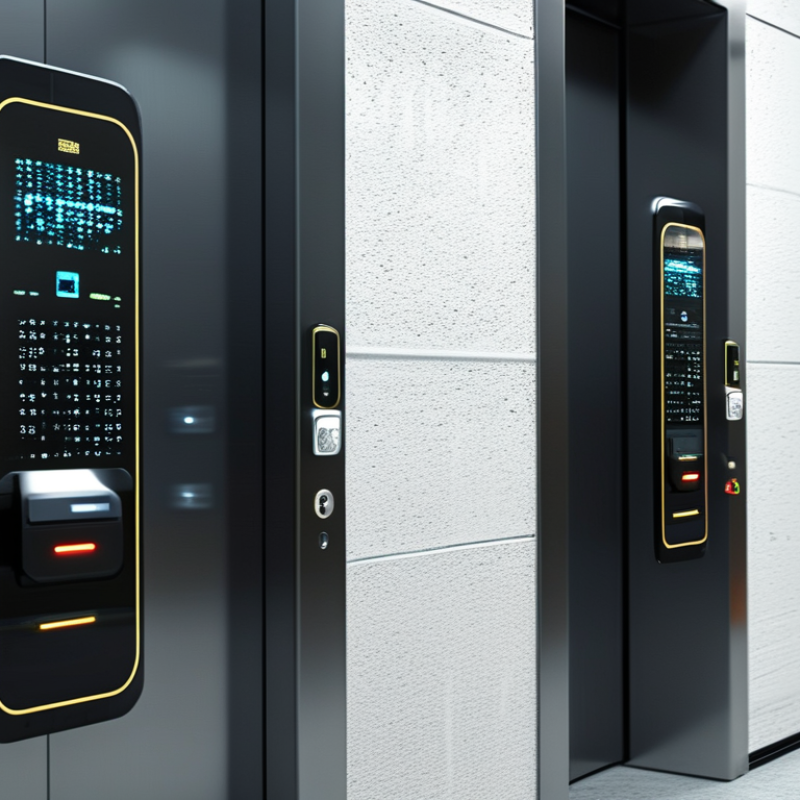
Smart Buildings and the $4.88 Million Average Cost of Data Breaches
Why Do Smart Buildings Need Modern Security Systems?
Smart buildings connect lighting, elevators, access controls, cameras, and climate systems. That convenience also creates more digital entry points. A single exposed controller may affect daily operations, occupant safety, and sensitive records. Recent global breach research reports an average data breach cost of $4.88 million. This figure includes investigation, downtime, legal work, recovery, and lost trust. For a property owner, the damage can continue after systems restart. Very expensive.
Modern security must protect both data and physical operations. Network segmentation can prevent one compromised device from reaching every building system. Multi-factor authentication reduces risks from stolen passwords. Regular patching closes weaknesses before attackers discover them. Secure backups support recovery when normal systems become unavailable. Staff training matters too. A well-designed alarm cannot compensate for careless access sharing.
The details are often visible in ordinary places: an unlocked maintenance tablet, an old sensor, or a shared administrator account. During an incident, clear logs help teams identify what happened and limit further damage. However, no control is perfect. A checklist may look complete while an overlooked vendor connection remains active. That uncomfortable gap deserves regular review. Security testing should include realistic outages, not only successful login attempts. Smart buildings need protection that adapts as their technology, occupants, and risks change.
How IoT Expansion Increases Smart-Building Attack Surfaces
Why Do Smart Buildings Need Modern Security Systems?
Smart buildings now connect lighting, elevators, HVAC controls, cameras, sensors, and digital access systems. Each device creates another entry point. A poorly protected occupancy sensor may expose a gateway, cloud account, or building-management network. That convenience widens the attack surface. Quickly.
The 2024 Data Breach Investigations Report analyzed 30,458 security incidents and confirmed 10,626 breaches. Vulnerability exploitation accounted for 14% of breaches, nearly doubling from the previous year. Internet-connected devices are not isolated anymore. They can cross trust boundaries. The European Union Agency for Cybersecurity’s 2023 threat landscape also identifies supply-chain exposure and vulnerable internet-facing services as continuing risks. A maintenance contractor, forgotten camera, or outdated controller can become the quiet path inside.
Modern security systems need continuous asset discovery, strong device identity, segmented networks, and fast patch management.
Access should depend on role, location, device health, and unusual behavior. Remote maintenance deserves special attention. Temporary permissions often become permanent by accident. Security teams should test whether a compromised sensor can reach door controls or server rooms. Many dashboards look reassuring while missing unmanaged devices. That is uncomfortable, but realistic. Physical alarms, network monitoring, and human review must work together. Technology alone cannot understand every strange event.
Access Control, Surveillance, and NIST-Based Device Authentication
Smart buildings need modern security systems because every connected door, camera, and sensor can affect daily operations. A locked entrance is not enough. Security teams must know who enters, which device sends data, and whether that data remains trustworthy.
Access control should match real working patterns. Staff may use badges, mobile credentials, or temporary visitor passes. Permissions should expire automatically after a project ends. Surveillance adds valuable context. A camera can show an open service door at 2 a.m., while access logs reveal the responsible credential. However, cameras should face necessary areas only. Excessive monitoring can damage privacy and employee trust.
Device authentication is equally important. NIST-based practices encourage unique device identities, secure credentials, inventory records, and lifecycle management. Each sensor should prove its identity before joining the building network. Shared passwords create blind spots. They also make incident investigation harder. Strong authentication can use certificates, protected keys, and regular credential rotation. Network administrators should record failed authentication attempts and isolate unusual devices quickly.
In building assessments, I have found forgotten controllers behind ceiling panels. They still communicate, but nobody knows who maintains them. That is a weakness. Yet perfect visibility is unrealistic. Older equipment may not support modern authentication, and upgrades can interrupt essential services. Teams need documented exceptions, compensating controls, and scheduled reviews. Security improves when access logs, surveillance alerts, and device identity records are examined together, not stored in separate technical silos.
Why Building Cybersecurity Protects Energy Systems and Occupant Safety
Why Do Smart Buildings Need Modern Security Systems?
Modern buildings connect lighting, heating, elevators, access controls, and emergency systems through shared networks. This efficiency creates a wider attack surface. The International Energy Agency reports that buildings consume about 30% of global final energy. A cyber incident affecting controls can waste energy, disrupt ventilation, or disable essential alarms.
Building cybersecurity therefore protects people, not only data. The National Institute of Standards and Technology recommends identifying connected assets, controlling access, and continuously monitoring system behavior. These practices matter when a technician’s account opens a controller beside a crowded lobby. The European Union Agency for Cybersecurity also identifies ransomware and supply-chain attacks as persistent risks across critical sectors. One weak device can become a serious operational problem.
Effective protection needs practical engineering. Separate building systems from office networks. Require multifactor authentication. Keep controllers updated, but test updates before deployment. Security teams should review unusual temperature changes, repeated login failures, and unexpected commands. Energy managers and safety officers must share incident procedures.
The difficult part is human. Many facilities still rely on forgotten accounts and undocumented connections. That is not a purely technical failure. It reflects incomplete maintenance. A perfect dashboard does not guarantee a safe building. Independent assessments, clear ownership, and tested manual controls remain necessary when digital systems behave unexpectedly. According to IEA building-sector analysis, improving efficiency is essential for reducing energy demand; protecting those efficiency systems prevents disruption from becoming an environmental and safety setback.
Modern Security Systems for Resilience Against $12.5 Billion in Cybercrime Losses
Why Do Smart Buildings Need Modern Security Systems?
Modern buildings connect access readers, cameras, elevators, lighting, and heating controls through shared networks. That convenience also creates more entry points for attackers. The $12.5 billion in reported cybercrime losses shows why building security now requires serious cyber protection. A compromised control panel could expose tenant data, disable doors, or interrupt temperature systems. In a hospital or warehouse, even a short outage can create costly operational pressure.
Resilience begins with layered protection. Security teams should separate building controls from office networks, restrict administrator access, and review device activity continuously. Strong authentication helps, but it cannot solve every weakness. Old sensors may still use unsupported software. Maintenance accounts may remain active after contractors leave. These details are easy to overlook. They are also realistic paths into a connected facility. Regular vulnerability assessments, timely updates, and tested recovery plans make security more dependable. Experience shows that preparation matters most during ordinary disruptions, not only dramatic attacks.
Tips: Keep an accurate device inventory. Change default credentials before installation. Test backup controls every quarter. Train facility staff to report unusual alarms, login prompts, or equipment behavior. Document who can approve emergency access. Review the plan after every incident, even when no damage occurs. No system is perfect. A useful security program admits that limitation and keeps improving.
Why Do Smart Buildings Need Modern Security Systems?
Modern Security Systems for Resilience Against $12.5 Billion in Cybercrime Losses
Reported internet crime losses increased from approximately $3.5 billion in 2019 to $12.5 billion in 2023.
As smart buildings connect access control, surveillance, HVAC, lighting, and other operational systems,
modern security measures are essential for reducing disruption, protecting sensitive data, and improving resilience.
Source: Annual U.S. internet crime complaint reports; reported losses, 2019–2023.
Conclusion
Smart buildings connect lighting, heating, elevators, cameras, access points, and other devices to improve efficiency, comfort, and operational control. However, this connectivity also creates more entry points for attackers, potentially exposing sensitive data and disrupting essential services. With the average cost of a data breach reaching $4.88 million, building owners need to treat cybersecurity as a core safety and business priority. Understanding how modern security systems work in smart buildings is essential to reducing these risks through coordinated protection across digital and physical environments.
Modern security systems combine controlled access, continuous surveillance, network monitoring, and device authentication based on recognized cybersecurity principles. These measures help verify users and connected equipment, detect unusual activity, and limit unauthorized movement through building networks. Strong protection also safeguards energy-management systems, emergency functions, and occupant safety, while improving resilience against the financial impact of cybercrime, estimated at $12.5 billion. A layered, regularly updated security strategy enables smart buildings to remain efficient, reliable, and secure as technology continues to expand.
 Tahiti Lock
