Upgrading to smart door locks has become a pressing concern for homeowners. Many people still rely on traditional locks, unaware of the safety and convenience offered by modern technology. Expert locksmith Sarah Johnson emphasizes, "Transitioning to smart systems is not just about tech; it's about securing your peace of mind."
When considering how to upgrade old door locks to smart systems, safety should be a primary focus. Smart locks offer advanced features, such as remote access, instant alerts, and the ability to monitor who enters your home. Imagine getting a notification on your phone when your kids arrive home safely or unlocking your door for guests remotely. These details enhance security and convenience.
However, many feel overwhelmed by the transition. They worry about complexity or cost. It’s normal to feel apprehensive. Taking small steps can make all the difference. Research options that fit your needs. Consult with professionals, like Sarah, who can guide you through the process. Upgrading your door locks isn’t just an improvement; it's a crucial step towards modern home security.
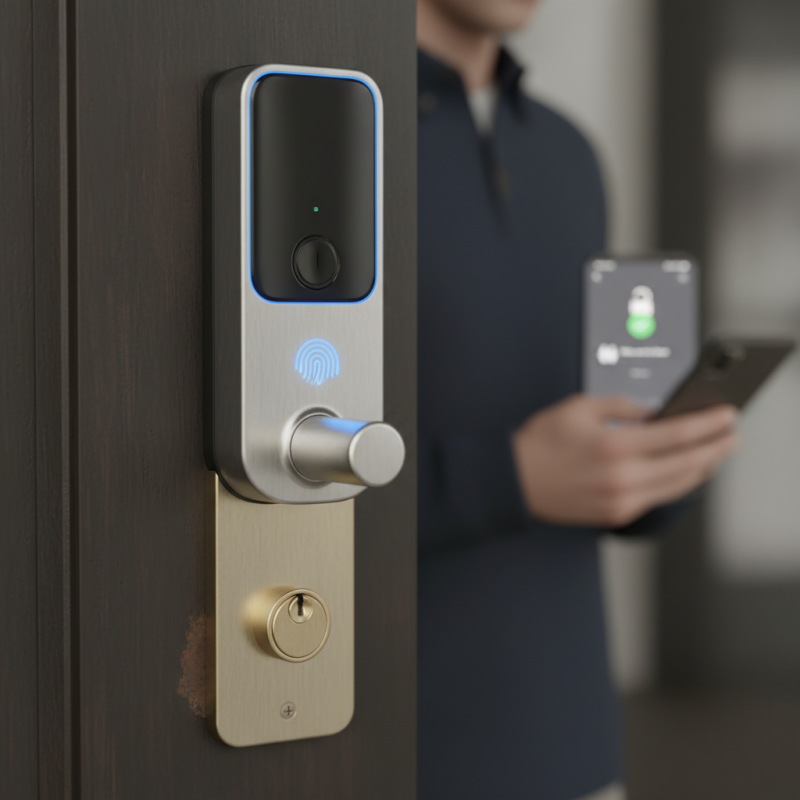
Benefits of Upgrading to Smart Door Locks
Upgrading to smart door locks offers numerous advantages that improve security and convenience. Traditional locks often require keys, which can be misplaced or stolen. Smart locks allow you to unlock your door using codes, smartphones, or biometric data. This means no more fumbling for keys, especially when your hands are full.
Another significant benefit is remote access. With smart locks, homeowners can control entry from anywhere. You can give temporary access codes to guests or service providers. Even while on vacation, you can monitor who enters and exits your home. This level of control enhances peace of mind.
However, it’s essential to recognize potential challenges. Smart locks depend on technology and power. If the battery dies or Wi-Fi fails, access can become problematic. Assess your lifestyle and needs carefully before making the leap. Ensure that you are comfortable with the technology and that your home’s security will remain intact during outages.
Key Features of Modern Smart Lock Systems
When considering the upgrade to smart lock systems, it’s essential to recognize their key features. Modern smart locks offer exceptional convenience and flexibility. You can unlock your door with your smartphone or even through voice commands. This hands-free approach enhances safety, especially in emergencies.
Another significant feature is the security capabilities. Many smart locks offer advanced encryption methods, secure access codes, and real-time alerts. This ensures that only authorized individuals can enter your home. Some devices can even track who enters and exits, providing a layer of accountability.
However, transitioning to smart systems isn't without challenges. Compatibility with existing home setups can sometimes be an issue. Installation may require some technical skills, and battery life is a consideration. Regular updates are essential to protect against vulnerabilities. Learning more about these aspects will help you make an informed decision.
Comparing Smart Locks to Traditional Door Locks
Smart locks offer a range of benefits over traditional door locks. They provide keyless entry, which eliminates the risk of losing keys. This can enhance convenience for busy homeowners. Most smart locks allow users to unlock doors via smartphones or biometric scans, integrating seamlessly with home automation systems. This connectivity can streamline access for family and trusted visitors.
However, some may find smart locks complex. Installation can be tricky if you're not tech-savvy. Some devices may require frequent updates to maintain security. A common concern is battery life. If a smart lock runs out of power, access could be problematic. Conversely, traditional locks are simple and reliable but lack advanced security features. They can be picked or bumped with the right tools.
In terms of security, smart locks often have features that alert homeowners to suspicious activity. They can keep track of entry and exit times, offering peace of mind. Traditional locks don't provide this level of monitoring. Yet, they are proven and trusted, often with lower costs. Balancing these factors can help you make an informed decision for your home.
Why Upgrade Your Old Door Locks to Smart Systems Today? - Comparing Smart Locks to Traditional Door Locks
| Feature |
Smart Locks |
Traditional Locks |
| Security |
High security with digital encryption |
Vulnerable to picking and bumping |
| Convenience |
Remote access and keyless entry |
Requires physical keys |
| Integration |
Compatible with smart home systems |
Standalone operation |
| User Management |
Manage access digitally, add/remove users remotely |
Physical keys must be distributed |
| Battery Life |
Long-lasting batteries with alerts |
No battery required |
| Cost |
Higher initial investment, potential long-term savings |
Lower initial cost, possible higher future costs due to break-ins |
Installation Process for Smart Lock Systems
The installation process for smart lock systems can be straightforward, yet it requires attention to detail. Recent data shows that 30% of homeowners find upgrading their locks confusing. Understanding the steps can demystify this process. Most smart locks fit into existing door hardware, making installation easier.
Start by gathering the necessary tools. You typically need a screwdriver and an appropriate smart lock model. Most of these locks come with an installation manual, but many people overlook this. Following the manufacturer's instructions is crucial. Over 40% of installation issues arise from ignoring guidelines.
Tip: Inspect your door frame before installation. Ensure it's in good condition, as a weak frame can undermine security. It's worth noting that around 70% of break-ins happen through entry points like doors. A reliable installation, coupled with a smart lock, is vital for home security.
Lastly, remember the importance of user-friendly technology. Some locks may have complex apps. Familiarize yourself with the app features after installation. A lack of understanding can lead to inefficient usage. Reports indicate that 50% of users fail to utilize all features of their smart locks. Prioritize learning how to maximize your system's potential.
Security Considerations and Risks of Smart Locks
Smart door locks offer convenience, but they also bring specific security concerns. One major risk involves hacking. Cybercriminals can exploit vulnerabilities in wireless connections. These intrusions may lead to unauthorized access to your home. It is essential to ensure that your chosen smart lock uses robust encryption methods.
Another consideration is the reliance on technology. If batteries die or internet service fails, you may be locked out. This scenario highlights the importance of having a backup key. Furthermore, human error can lead to security breaches. For instance, sharing access codes or keys with too many people can compromise safety.
Finally, privacy issues arise with smart locks. Many devices collect data on user habits. This information, if mishandled, could fall into the wrong hands. Therefore, when choosing a smart lock, consider its data policies. Regular updates and strong security protocols are vital for protecting your home effectively.
Comparison of Traditional Door Locks vs. Smart Locks in Terms of Security Features
FAQS
: They provide convenience, allowing you to unlock doors with smartphones or voice commands.
Many smart locks use advanced encryption, secure access codes, and real-time alerts to ensure authorized access only.
It can be simple but attention to detail is necessary. Many homeowners find it confusing without proper guidance.
Typically, you need a screwdriver and the correct smart lock model, along with the installation manual.
Inspect your door frame for stability. A weak frame can reduce security effectiveness.
Possible risks include hacking, reliance on technology, and human error, which can compromise safety.
Keep a backup key handy in case of dead batteries or internet issues.
Some smart locks collect user data. Ensure you understand the data policies to protect your privacy.
Updates help protect against vulnerabilities, ensuring your home remains secure from cyber threats.
Many users, about 50%, do not take full advantage of all features due to a lack of understanding.
Conclusion
Upgrading your old door locks to smart systems offers numerous benefits, including enhanced convenience, improved security, and remote access capabilities. Smart door locks often feature keyless entry, integration with smart home systems, and monitoring options, making them a modern alternative to traditional locks. When considering how to upgrade old door locks to smart systems, it's essential to evaluate the installation process, which can vary from simple to more complex setups, depending on the existing hardware.
However, it’s crucial to weigh the security considerations and potential risks associated with smart locks, such as vulnerability to hacking or power failures. By understanding these factors and comparing smart locks to their traditional counterparts, homeowners can make informed decisions about upgrading their home security. Overall, smart lock systems represent a significant advancement in home safety and convenience.
 Tahiti Lock
