 Tahiti Lock
Top 5 Reasons Why Access Control Systems Matter for Businesses?
In today’s competitive landscape, understanding why access control systems are important for businesses is crucial. Businesses face risks that can threaten their assets and reputation. An effective access control system acts as a frontline defense. It restricts unauthorized access, ensuring that sensitive information remains secure.
Organizations often overlook the value of these systems until a breach occurs. This reactive approach can have dire consequences, including financial losses and damaged trust. By implementing robust access control measures, businesses can proactively manage security risks. With better system transparency, it’s easier to track who accesses what and when.
Moreover, the right access control solution can streamline operations. Employee productivity improves when access is granted based on roles. However, not all systems fit every business model. Each organization should evaluate its specific needs and limitations. This thoughtful assessment helps in choosing the best solution, reflecting the importance of tailored security strategies.
Importance of Security in Business Operations
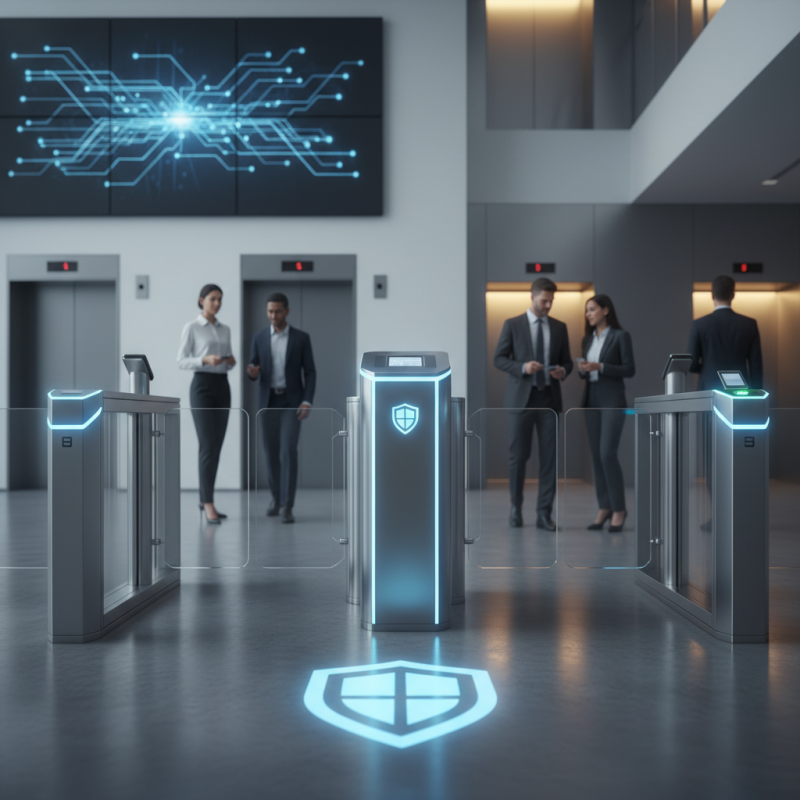
In today’s fast-paced business environment, security is critical. Access control systems play a vital role in safeguarding sensitive information. They restrict entry to authorized personnel only. This prevents data breaches that could harm the organization’s reputation. A single security incident can lead to financial loss and diminished trust among clients.
Reliable access control systems can mitigate risks effectively. They allow businesses to monitor who enters and exits their premises. This real-time tracking creates a safer working environment. However, some companies overlook regular audits of these systems. Neglecting updates can create vulnerabilities over time.
Moreover, with remote work on the rise, security needs have evolved. Employees often access sensitive material from different locations. This additional layer of complexity demands robust access controls. Businesses must ensure remote access aligns with their security policies. The importance of these systems cannot be overstated; they form the backbone of operational integrity.
FAQS
: Security protects sensitive information and prevents data breaches. A single incident can damage reputation and cost money.
They restrict access to authorized personnel only. This monitoring creates a safer working environment for everyone.
Regular audits are crucial. Neglect can create vulnerabilities that may be exploited, increasing overall security risks.
Remote work allows access from various locations. Businesses must ensure that remote access complies with security policies.
Organizations can save up to 30% on security costs. Automation reduces the need for extensive manpower and lowers incidents.
Security breaches can cost an average of $3.86 million, highlighting the need for effective access control measures.
Regular maintenance keeps systems effective and reduces the risk of vulnerabilities. Some companies overlook this important aspect.
Budget constraints might hinder investment in modern security solutions. Ignoring long-term benefits can lead to higher future costs.
Assessing initial costs versus potential long-term savings is crucial. A strategic focus can enhance overall security effectiveness.
Yes, many organizations rely on outdated methods. This can lead to overspending and increased vulnerability in their security protocols.
Conclusion
Access control systems are crucial for businesses for several reasons. Firstly, they play a vital role in enhancing security within business operations by managing who has access to sensitive areas and information. This is essential in preventing unauthorized access, which can lead to data breaches and overall insecurity. Moreover, key features of access control systems, such as monitoring and reporting capabilities, help in maintaining a secure environment while also promoting employee safety.
In addition to security benefits, understanding why access control systems are important for businesses extends to their cost-effectiveness. Implementing these solutions can reduce potential losses from theft and safeguard valuable assets. Furthermore, access control is integral to regulatory compliance and risk management, ensuring that businesses adhere to industry standards and minimize risks associated with security lapses. Overall, access control systems are a foundational element in protecting a business's integrity and enhancing its operational efficiency.
