Preventing unauthorized access in buildings is a critical concern for property owners and facility managers. Effective security measures not only protect valuable assets but also ensure the safety of occupants. Understanding how to prevent unauthorized access in buildings involves evaluating existing security protocols and identifying potential vulnerabilities.
Advanced technologies, such as electronic locks and surveillance systems, offer robust solutions. However, human factors often undermine these efforts. Even the most sophisticated systems can be bypassed if employees fail to adhere to protocols. Regular training and awareness programs play a vital role in instilling a culture of security among staff.
It is essential to conduct thorough risk assessments regularly. This process can highlight weak entry points and provide insight into potential threats. Balancing security with accessibility remains a challenge for many organizations. A successful strategy should address both aspects, ensuring that security measures do not hinder operational efficiency. Reflecting on these factors can lead to a more secure environment for everyone.
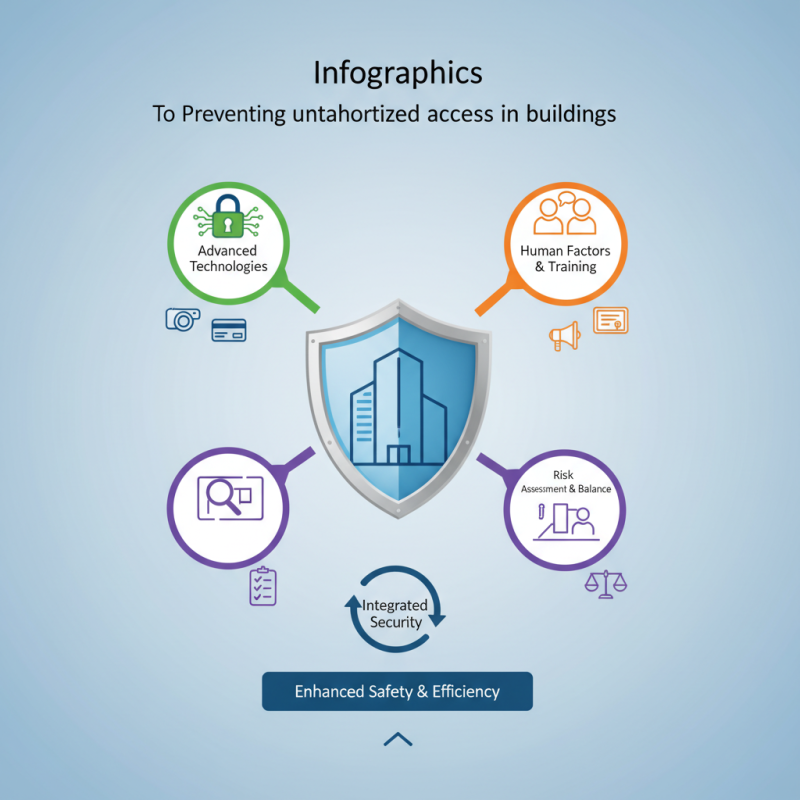
Unauthorized access in buildings is a growing concern. It’s not just about theft; it poses risks to safety and privacy. Understanding the factors contributing to unauthorized access is crucial for effective prevention strategies.
Physical barriers, like locked doors and secure windows, are essential but not foolproof. Many entry points, such as ventilation systems, might be overlooked. Installing access control systems can enhance security. However, they are only as strong as the authentication methods used. Simple PIN codes can be easily compromised and may lead to vulnerabilities.
Training staff on security protocols is often neglected. Employees should recognize suspicious behavior and understand how to respond. Regular drills can foster a culture of vigilance. Also, reviewing and updating security measures is vital. Over time, security systems can become outdated or flawed. Reflecting on past experiences can help identify weak spots.
Effective security requires continuous improvement and adaptation to new risks.
Identifying vulnerable areas in building security systems is crucial for preventing unauthorized access. According to a report by the Security Industry Association, 60% of all break-ins happen through unsecured entry points like doors and windows. Focusing on these areas can significantly reduce risks. Typically, older buildings have weaker locks and outdated surveillance technology, making them prime targets for intruders.
Many security systems lack regular assessments, which is a critical oversight. A study from the National Institute of Standards and Technology indicates that 30% of security incidents could be prevented with routine inspections and maintenance. This highlights the need for building managers to evaluate existing security measures continually. Lighting is another area often overlooked. Poorly lit entrances provide cover for potential intruders, making bright, well-lit entry points essential.
Surveillance cameras can deter criminal activity. Yet, many systems have insufficient coverage. According to the Electronic Security Association, 25% of building outages occur due to blind spots in surveillance. Ensuring complete coverage should be a priority. Regular assessments can identify these blind spots, allowing for timely upgrades. Ignoring these vulnerabilities can result in significant financial losses and risks to personal safety.
Effective physical barriers and access controls are crucial for preventing unauthorized access in buildings. A report by the Security Industry Association reveals that over 70% of security breaches occur due to physical vulnerabilities. To enhance security, employing robust locks, secure entry points, and surveillance systems can significantly deter intruders. For instance, access control systems with key cards reduce the risk of unauthorized duplication compared to traditional locks.
Moreover, integrating biometric access controls provides an advanced layer of security. According to a survey by Allied Market Research, the biometric access control market is predicted to grow at a compound annual growth rate of 21% from 2021 to 2028. This leap emphasizes the need for organizations to adopt innovative solutions. However, implementing such technologies can be costly and may require extensive training for staff.
Physical barriers like fences, gates, and turnstiles can also play a vital role. They create visible deterrents. It’s important to regularly assess the effectiveness of these measures. Reflecting on security audits can identify gaps or weaknesses, leading to improved strategies. While technology is essential, the human element remains key. Security personnel need ongoing training to mitigate risks effectively.
In today's world, unauthorized access to buildings poses a significant threat. Utilizing technology for enhanced surveillance can turn vulnerability into strength. Cameras with high-resolution capabilities can capture clear footage of any suspicious activity. Smart motion sensors can alert security personnel immediately when unusual movement is detected.
Tips: When installing cameras, position them at entry points and high-traffic areas. Ensure that recording devices are easily accessible but secure from tampering. Regularly test your equipment to identify blind spots.
Integrating access control systems is another effective measure. Biometric scanners and key card systems provide a layer of security that traditional locks cannot match. These systems allow only authorized personnel to enter specific areas. Moreover, ensuring that the security team receives proper training on these systems is crucial.
Tips: Conduct regular drills to keep the team prepared. Consider using user-friendly interfaces for access control, as complex systems may lead to mistakes. Technology should not replace human oversight but enhance it. Regular updates and maintenance of all systems will keep vulnerabilities in check.
| Technology | Function | Pros | Cons |
|---|---|---|---|
| Surveillance Cameras | Monitor and record activity | Deters crime, collects evidence | Privacy concerns, blind spots |
| Access Control Systems | Regulate entry to specific areas | Enhances security, easy to manage | Costly installation, requires maintenance |
| Intrusion Detection Systems | Detect unauthorized entry | Immediate alerts, prevents theft | False alarms, complex setup |
| Mobile Surveillance Apps | Remote monitoring via smartphones | Convenient, real-time alerts | Dependent on internet, battery life issues |
| Biometric Systems | Identify personnel using biological traits | High security, unique identification | High cost, potential errors |
Unauthorized access in buildings can lead to serious security breaches. Developing effective access control policies is crucial. According to a 2022 security report by the Security Industry Association, 56% of organizations experience unauthorized access attempts annually. This statistic highlights the urgent need for robust policies.
Establishing clear procedures for granting access is essential. Requesting identification, issuing key cards, or using biometric systems are all effective methods. A survey from the International Association of Professional Security Consultants indicated that 78% of surveyed professionals support multi-factor authentication for sensitive areas. Regular audits and employee training can enhance these measures. Additionally, reflecting on past incidents reveals common weaknesses, providing a learning opportunity for improving current practices.
Enforcement of these policies requires consistency and accountability. Unexpected lapses, such as forgotten security codes or mismanaged access lists, must be addressed promptly. Routine checks and updates to access privileges ensure relevance. A proactive approach creates a culture of awareness. However, gaps can occur even with the best policies in place. Analyzing these vulnerabilities allows for continuous improvement in building security infrastructure.
: Unauthorized access refers to entering a building without permission. It poses risks to safety and privacy.
Physical barriers like locked doors can be bypassed. Overlooked entry points may include ventilation systems.
Access control systems enhance security by managing entry. The strength relies on the authentication methods used.
Simple PIN codes are easy to compromise. Outdated systems can create weaknesses over time.
Training staff is crucial but often neglected. Employees must identify suspicious behavior and know how to respond.
Security measures can become outdated or flawed. Regular reviews help identify vulnerabilities and strengthen security.
Clear access control policies help prevent unauthorized access. They establish procedures for granting access responsibly.
Reflecting on past incidents reveals common weaknesses. This insight can improve current security practices.
Routine audits ensure compliance and relevance of access policies. They help identify gaps that need attention.
A proactive approach builds awareness and accountability. It reduces the chances of unexpected lapses in security.
Effectively preventing unauthorized access in buildings requires a multifaceted approach that addresses various security concerns. First, it is crucial to understand the dynamics of unauthorized access in building environments, which includes identifying vulnerable areas such as weak points in security systems. By pinpointing these risks, targeted measures can be implemented to bolster security.
To enhance protection, buildings should employ effective physical barriers and access controls, alongside adopting advanced technology for surveillance and monitoring. By leveraging these tools, security personnel can maintain vigilance over the premises. Additionally, developing and enforcing clear access control policies and procedures ensures that all individuals comply with security protocols, significantly reducing the risk of unauthorized entry. Overall, a comprehensive strategy on how to prevent unauthorized access in buildings is vital for safeguarding property and ensuring the safety of occupants.

Tahiti Lock