 Tahiti Lock
How to Identify Common Security Challenges in Commercial Spaces?
Identifying security challenges in commercial spaces is essential for safeguarding assets. According to John Smith, a renowned security analyst, "Understanding vulnerabilities is key to protecting business environments." Numerous factors contribute to these vulnerabilities.
Common security challenges in commercial spaces include theft, vandalism, and unauthorized access. Businesses often overlook their perimeter defenses. Many rely solely on surveillance cameras, but this can lead to blind spots. Additionally, employee training on security practices can be insufficient, which creates further risk. These gaps in knowledge and resources often leave businesses exposed.
An essential part of addressing these issues is recognizing them. Organizations must evaluate their own systems critically, assessing what they can improve. Reflecting on past incidents can provide valuable insights. By prioritizing security, businesses can create safer environments for both employees and customers. What are common security challenges in commercial spaces? This question serves as a reminder to stay vigilant and proactive.
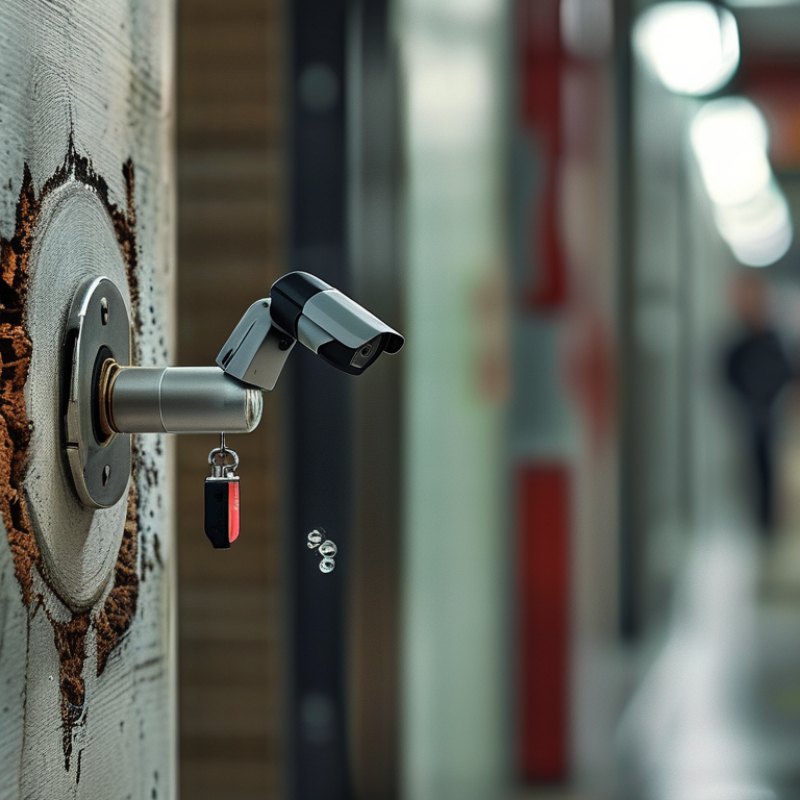
Understanding the Scope of Security Challenges in Commercial Spaces
In commercial spaces, security challenges can vary widely. A recent report by the Security Industry Association indicates that 70% of businesses experience theft annually. This statistic highlights a pressing issue. Additionally, vandalism and unauthorized access are frequent concerns. According to the 2022 Security Survey, 55% of organizations reported vandalism as a key challenge.
Understanding these issues requires a thorough analysis of the environment. High foot traffic areas are particularly vulnerable. Retail establishments often face security breaches during busy hours. Surveillance systems play a crucial role in monitoring such activities. Yet, many companies struggle with outdated technology. The same survey mentioned above found that only 40% of businesses updated their security systems in the past five years.
Employee training is another vital aspect. A significant percentage of security incidents stem from human error. Inadequate training can lead to lapses in security protocols. The impact of these lapses can be substantial. Organizations need to reassess their training programs regularly. This reflection could lead to better preparedness and reduced risks. Enhancing security measures requires ongoing commitment and adaptation to evolving threats.
How to Identify Common Security Challenges in Commercial Spaces?
| Challenge Type | Description | Frequency | Impact Level |
|---|---|---|---|
| Theft | Loss of inventory or property due to criminal activity. | High | Severe |
| Vandalism | Deliberate destruction or defacement of property. | Medium | Moderate |
| Access Control Issues | Unauthorized access to restricted areas. | High | Critical |
| Cybersecurity Threats | Data breaches and attacks on digital infrastructure. | High | Severe |
| Natural Disasters | Events such as floods, earthquakes, or fires affecting property. | Low | Critical |
| Employee Safety Issues | Concerns regarding the well-being of staff in the workplace. | Medium | High |
FAQS
: Common issues include theft, vandalism, and unauthorized access. Many businesses struggle with these risks annually.
High foot traffic areas, like retail stores, often face significant security breaches, especially during busy hours.
Surveillance systems monitor activities and help deter incidents. However, many businesses use outdated technology.
Poorly trained employees can cause security lapses. Regular training is essential to improve overall security protocols.
Old locks and cameras are easy targets for intruders. Regular assessments can identify weaknesses in these systems.
Cyber threats are often overlooked. Unprotected networks can lead to significant data breaches and other security issues.
Actions like propping open doors or ignoring ID checks can create vulnerabilities. Employees must be aware of their impact.
Poor design can create blind spots. Proper lighting and visibility are crucial for deterring unauthorized access.
Audits assess both physical and digital systems for vulnerabilities. Addressing these issues can improve overall safety.
Regular discussions and drills can empower staff. Creating a supportive environment encourages vigilance without causing fear.
Conclusion
In "How to Identify Common Security Challenges in Commercial Spaces," the article explores the various dimensions of security within commercial environments. Key insights focus on understanding the scope of security challenges in commercial spaces, which include vulnerabilities in both physical and digital security systems. It emphasizes how human factors, such as employee behavior and training, can significantly contribute to security risks.
Additionally, implementing best practices for mitigating these risks is crucial, as organizations must be proactive in their security strategies. The article also emphasizes the importance of monitoring and adapting to emerging security threats, ensuring that businesses can effectively address what are common security challenges in commercial spaces. This approach not only helps in protecting physical assets but also secures digital information, fostering a safer commercial environment.
