China Top Biometric Systems How Do They Enhance Safety?

Time:2026-10-19 Author:Sophia
0%

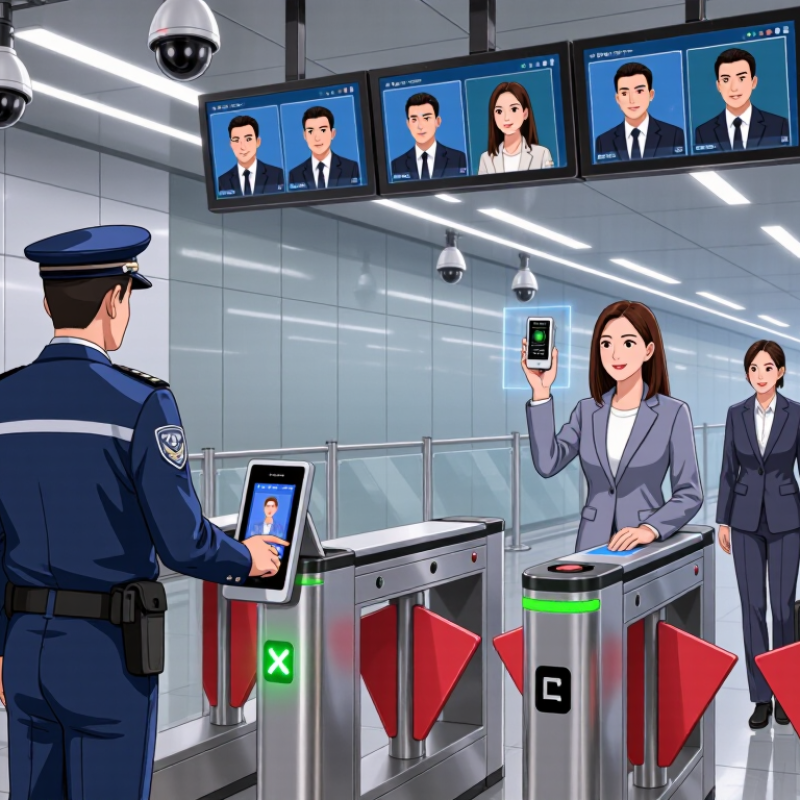
China’s leading biometric systems are reshaping safety in airports, factories, hospitals, and controlled workplaces. They use fingerprints, facial features, iris patterns, or voice signals to verify identity within seconds. A camera at a security gate can compare a live face with an approved identity record. A fingerprint reader can restrict access to a sensitive equipment room. These small moments can prevent impersonation, reduce unauthorized entry, and create clearer access records.

The National Institute of Standards and Technology’s Face Recognition Technology Evaluation reports show that accuracy differs across algorithms, demographic groups, and image conditions. Poor lighting, masks, camera angles, and aging can still weaken performance. NIST’s AI Risk Management Framework therefore stresses validity, reliability, transparency, and human oversight. The message is practical: biometric security should support trained staff, not replace judgment. Alan Gelb, an identity-policy expert, has warned, “Biometrics are not a silver bullet.” That warning deserves attention.

So, how biometric systems enhance safety depends on more than recognition speed. Strong systems combine liveness detection, encrypted data handling, access controls, audit logs, and manual review. The International Organization for Standardization also highlights the importance of biometric performance testing and presentation-attack detection. In a Chinese manufacturing plant, this may mean an authorized engineer entering a restricted control room while an unusual access attempt triggers a review. Yet the picture is not perfect. Faster identification can create false confidence. Poorly governed data can damage trust. This introduction examines China’s biometric systems through measurable performance, responsible deployment, and real-world safety outcomes.
China Top Biometric Systems How Do They Enhance Safety?

What Are China’s Top Biometric Systems?

China’s leading biometric systems combine facial recognition, fingerprints, iris scans, palm prints, and voice patterns. Facial systems remain widely used for identity checks because cameras can work quickly at entrances, service counters, and transport gates. Fingerprint readers are more compact, while iris and palm-vein systems offer stronger performance in controlled environments. Multimodal systems combine two signals when one method is unreliable.

According to the China Internet Network Information Center’s 54th Statistical Report, China had about 1.099 billion internet users by June 2024. This enormous digital environment supports large-scale identity services, but it also demands careful security design. The NIST Face Recognition Vendor Test reports that false-match rates can approach one in a million under selected conditions. Real scenes are harder. Masks, poor lighting, camera angles, and aging can reduce accuracy.

Modern systems therefore use liveness detection, encrypted templates, audit logs, and human review. China’s national personal-information standards also emphasize purpose limitation and data protection. Still, the picture is not perfect. A sensor may reject a legitimate worker with wet fingers. A camera may misread a face in heavy rain. These failures require practical testing, clear retention rules, and an alternative verification method. Professional evaluations should examine accuracy, accessibility, cybersecurity, and demographic performance, not only impressive laboratory scores.

Which Biometric Technologies Are Used in China?

China uses several biometric technologies to verify identity in homes, offices, transport hubs, and digital services. Facial recognition remains common because cameras can work without physical contact. Systems may check facial landmarks, movement, and liveness signals before granting access. Good lighting helps, but crowded scenes and masks can reduce accuracy.

Fingerprint recognition offers a familiar option for mobile devices, workplace doors, and secure equipment. Iris recognition can provide stronger detail because iris patterns are highly distinctive. However, camera distance and user cooperation affect results. Palm-vein systems read vascular patterns beneath the skin, often using near-infrared light. They can support controlled access where hygiene or privacy concerns discourage touch.

Voice recognition is also developing for customer support and device control. It may struggle with background noise, illness, accents, or recorded speech. Reliable deployments combine biometrics with passwords, access cards, or human review. This layered approach limits damage when one signal fails. No system is perfect.

Privacy protection matters as much as matching speed. Operators should collect only necessary data, explain the purpose, restrict access, and delete records under applicable rules. Encrypted templates are safer than storing ordinary images, though encryption does not remove every risk. False matches can inconvenience innocent people, while missed matches can block legitimate users. Better testing across ages, skin tones, disabilities, and working conditions is still needed. That gap deserves honest attention.

How Do These Systems Verify Personal Identity?

Biometric systems improve safety by checking whether a person matches a verified identity. They may analyze a face, fingerprint, iris pattern, or voice feature. The system converts these traits into an encrypted mathematical template. It then compares the new sample with stored data. A match allows access, while a mismatch triggers another verification step.

Reliable systems also use liveness detection. This checks whether the sample comes from a real person, not a photograph or recording. Good deployment requires clear consent, controlled data access, and regular security reviews. In my experience, accurate lighting and clean sensors can affect results greatly. However, no biometric tool is perfect. Aging, injuries, masks, or poor camera angles may create false rejections. That limitation deserves honest planning.

Tips: Use more than one signal when risk is high. Keep sensors clean. Provide a secure alternative for failed scans. Limit collected data and explain its purpose clearly. Test performance across different ages, skin tones, and working environments. Review audit records regularly. A fast match is useful, but a transparent process builds stronger trust.

How Do Biometric Systems Enhance Public and Personal Safety?

Biometric systems can strengthen public and personal safety by linking access to a verified human identity. In China, facial, fingerprint, and palm-vein recognition may support secure entry at offices, hospitals, and transport facilities.

A camera can check an authorized worker before opening a restricted door. A fingerprint reader can help protect a phone or medical record.

These systems reduce dependence on lost cards and shared passwords. They are useful, but not perfect.

Safety improves when biometric checks work with human judgment. For example, a hospital may verify staff access to a medicine room, then record the time and location. Security teams can review unusual attempts instead of reacting automatically.

Poor lighting, masks, aging, injuries, or similar faces can cause errors. That matters. A false rejection can delay care or block a legitimate visitor. Clear consent, limited data retention, encryption, and independent testing are essential for public trust.

Tips: Use more than one safety layer, such as biometrics plus a temporary code. Keep emergency alternatives available. Test systems in rain, darkness, crowded entrances, and with different skin tones. Review accuracy regularly, and explain how personal data is stored. Do not treat a biometric match as unquestionable proof. People still need to check the situation.

What Privacy and Security Challenges Do They Face?

China’s leading biometric systems can improve access control, identity checks, and public safety. Yet their hardest questions involve privacy and security. A face scan is permanent data, not a password. If attackers steal biometric templates, users cannot simply replace their faces or fingerprints.

NIST’s Face Recognition Technology Evaluation reported false-positive differences ranging from tenfold to more than one hundredfold, depending on the algorithm and demographic group. Image quality also changes accuracy.

This matters. A poor camera angle, dim hallway, or crowded station can trigger a costly mistake. China’s Personal Information Protection Law treats biometric information as sensitive personal information, requiring stronger handling and clearer necessity.

However, broad collection can still create function creep. Data gathered for entry control might later support unrelated monitoring. That possibility deserves more scrutiny.

Tips Store encrypted templates, not raw images. Keep systems decentralized where practical. Set short retention periods. Require human review for disputed matches.

Test accuracy across age, gender, skin tone, lighting, and camera distance. Independent audits should examine access logs and deletion records.

No deployment is perfectly safe. Even careful teams can overlook insider misuse, model drift, or weak vendor access. Yet transparency remains incomplete in many real-world deployments, and that is an uncomfortable weakness worth confronting.

FAQS

Which biometric methods are commonly used in China?

Common methods include facial recognition, fingerprints, iris scans, palm-vein patterns, and voice recognition.

Why is facial recognition widely used?

Cameras can check faces quickly at entrances, service counters, and transport gates. No physical contact is needed.

What can reduce facial recognition accuracy?

Masks, rain, poor lighting, camera angles, and aging can cause errors. Crowded scenes add difficulty.

Are fingerprints suitable for everyday access?

Yes. Fingerprint readers are compact and useful for phones, workplace doors, and secure equipment. Wet fingers may cause rejection.

How do iris and palm-vein systems differ?

Iris systems examine detailed eye patterns. Palm-vein systems use near-infrared light to read patterns beneath the skin.

Can voice recognition work in every environment?

No. Background noise, illness, accents, and recorded speech can reduce reliability. Quiet rooms work better.

Why do some systems combine multiple biometric signals?

Multimodal systems use two signals when one method fails. A fingerprint and face check may support each other.

How should biometric information be protected?

Operators should collect necessary data only, explain its purpose, restrict access, and delete records appropriately. Encrypted templates help.

What should a professional evaluation examine?

It should test accuracy, accessibility, cybersecurity, and performance across ages, skin tones, disabilities, and working conditions.

Is biometric technology completely reliable?

No system is perfect. A camera may misread a face in heavy rain. Human review and alternative verification still matter.

Conclusion

China’s top biometric systems combine facial recognition, fingerprint scanning, iris identification, voice analysis, and other technologies to support secure identity verification. These systems compare unique biological characteristics with authorized records, helping confirm whether a person is who they claim to be in settings such as transportation, financial services, workplaces, and public facilities. By reducing reliance on passwords or physical identification cards, biometric tools can make access control faster and more convenient.

The main ways how biometric systems enhance safety include detecting unauthorized access, preventing identity misuse, improving emergency response, and supporting more accurate security monitoring. However, their use also creates important privacy and cybersecurity challenges. Sensitive biometric data cannot be easily replaced if exposed, so organizations must apply strong encryption, limited data collection, strict access controls, transparent policies, and regular security reviews. Responsible use should also include accuracy testing, human oversight, and clear safeguards against misuse or unfair treatment.

Sophia

Sophia

Sophia is a dedicated marketing professional with an exceptional depth of knowledge about her company's products and services. With a keen understanding of market trends and customer needs, she crafts insightful blog posts that not only inform but also engage readers, enriching the company’s online......