A secure building is not defined by a camera on every corner or a locked front door. Its performance depends on how people, spaces, technology, and procedures work together. The question “what factors affect building security performance” has practical answers: entry design, sightlines, lighting, access control, staff training, maintenance, emergency planning, and the way occupants use the space. A reception desk facing the entrance can help staff notice unfamiliar visitors. A dim service corridor can weaken that same awareness. Small details matter.
Security technologist Bruce Schneier has said, “Security is a process, not a product.” That idea applies to buildings: equipment needs regular testing, clear procedures, and people who know what to do when something feels wrong. A card reader may record access, but only if credentials are managed carefully and exceptions are reviewed. Cameras may provide useful evidence, but poor placement or neglected maintenance can leave blind spots. The weak link is often ordinary.
This outline examines ten factors that shape building security performance, from physical design to daily operations. It also considers how risk assessments, tenant needs, and changing conditions influence security decisions. No single checklist fits every property. A school, warehouse, and apartment building face different patterns of movement and exposure. Even a well-designed system can fall short when staff routines drift or maintenance is delayed. That deserves honest attention. The goal is not to promise perfect protection, but to help building teams make informed, measurable improvements.
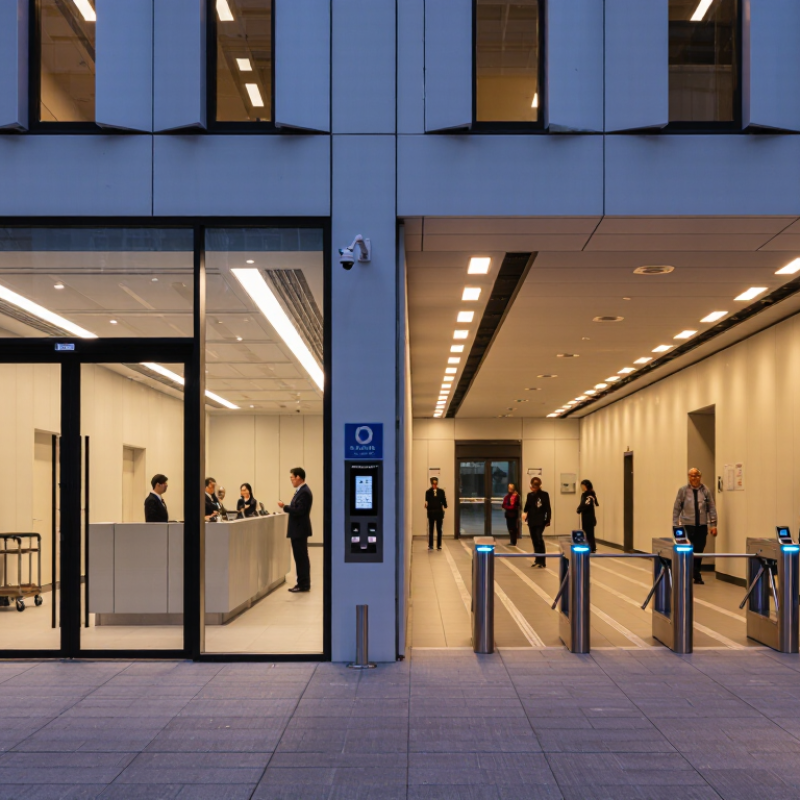
Building security performance depends on more than alarms and locked doors. In practice, it comes from several connected components. Clear access control defines who may enter, when, and which areas remain restricted. Reliable surveillance adds visual evidence around entrances, corridors, loading points, and emergency exits. However, cameras cannot replace trained staff or sensible procedures.
People shape daily performance. Security teams need practical training, clear escalation steps, and regular drills. Reception staff should recognize unusual behavior without treating every visitor as a threat. Maintenance also matters. A poorly aligned door, weak lighting, or delayed software update can create a real gap. These small failures are easy to overlook. I have seen teams measure equipment uptime while ignoring response time. That is not enough. A strong program tracks detection, verification, communication, and recovery.
Tips: Test one security process each month. Check whether alerts reach the right person within minutes. Review visitor records, camera coverage, lighting, and door hardware together. Keep instructions short and visible. Ask staff what feels confusing. Their answers may expose weaknesses that formal audits miss. Do not assume a perfect plan exists. Buildings change, and security performance must be reviewed after renovations, tenant changes, incidents, and false alarms.
Building security starts with physical design, not surveillance equipment. Clear sight lines, controlled entrances, durable doors, and well-placed lighting reduce concealment opportunities. Crime Prevention Through Environmental Design principles also support safer pedestrian movement and easier visitor observation. A 2023 national fire-loss report recorded about 1.39 million fires and more than 22 billion dollars in property damage across the United States. Fire-rated walls, separated utility areas, and accessible emergency routes therefore protect security and business continuity together.
Environmental risk can quietly weaken these measures. The United Nations Office for Disaster Risk Reduction reported 7,348 major disaster events between 2000 and 2019. Flooding can disable access systems, while smoke can reduce camera visibility and damage air-handling equipment. Water finds weak points. Raised electrical rooms, protected drainage, sealed penetrations, and higher equipment placement deserve early design attention. The World Meteorological Organization reported that 2023 was approximately 1.45°C above the pre-industrial average, increasing pressure from heat, storms, and wildfire smoke.
A practical assessment should examine the building at night, during heavy rain, and during peak occupancy. That is often missed. Landscaping may look attractive but create hidden approaches near windows or loading areas. Glass walls can improve daylight yet expose sensitive spaces. A useful admission is that design reviews sometimes reward appearance over resilience. Site plans should be tested against blocked exits, power loss, standing water, and poor visibility. Even small gaps matter when they repeat across a large facility.
Access control, surveillance, and intrusion detection work best as one system, not three separate purchases. A badge reader can restrict a loading dock, while a camera checks whether the delivery matches the access record. Door contacts and motion sensors can then flag a forced entry after hours. Small details matter: a propped fire door, a camera blocked by a hanging sign, or an alarm zone that staff routinely ignore.
The FBI’s 2022 Crime in the United States report estimated 847,522 burglaries nationwide, 6.7% fewer than in 2021. That remains a substantial exposure for offices, schools, and residential buildings. Yet a badge log can create false confidence: it records a credential, not the person holding it. Pair access events with clear camera views at entrances and sensitive rooms. Check lighting, image quality, and clock synchronization; mismatched timestamps can weaken an investigation.
Test the full response path. Does an alarm reach a staffed location? Can operators identify the affected door quickly? Are access permissions removed when roles change? Keep a simple, documented schedule for testing sensors and reviewing alerts. Too many alerts can train people to ignore the important ones. And cameras do not prevent every incident. That part deserves honest review: assess blind spots, response delays, and whether staff know whom to contact when systems fail.
A secure building depends less on signs than on people who know what to do when routines break. The NFPA report Fire Loss in the United States During 2022 estimated 1,504,500 fires and 3,790 civilian deaths nationwide. Those figures cover all property types, but they show why evacuation practice cannot remain theoretical. Train reception staff to identify exits, keep corridors clear, and guide visitors unfamiliar with the floor plan. Train security staff to report specific observations: door, time, direction, and visible risk. Short, repeated sessions can be easier to retain than one annual lecture. Still, attendance is not competence. Not enough.
The FBI recorded 48 active-shooter incidents in 2023, with 105 people killed and 139 wounded. These figures do not predict risk at a particular building. They do underline why response roles need to be clear before stress rises. Procedures should state who contacts emergency services, who checks accessible refuge areas, and who accounts for contractors. Run drills across shifts, then log delays, blocked doors, and confused handoffs. A drill can seem successful while a visitor remains uncounted. That is worth reflecting on. Review near misses, too, and update plans when tenants, layouts, or access systems change. Equipment matters, but people and habits shape how well it works.
| Rank | Factor | How It Affects Performance | Practical Indicators | Effective Practices |
|---|---|---|---|---|
| 1 | Staff Training and Awareness | Trained staff are better prepared to recognize unusual activity, follow access rules, and report hazards or incidents promptly. | Training completion records; exercise participation; staff knowledge of reporting channels and emergency actions. | Provide role-specific onboarding, periodic refresher training, and scenario-based exercises. Record attendance and address identified gaps. |
| 2 | Clear Security Procedures | Consistent procedures reduce confusion and help staff respond predictably to routine security tasks and unusual events. | Current written procedures; documented shift handovers; completion of required checks; records of procedure reviews. | Write concise procedures for access control, visitor handling, incident reporting, opening and closing, and escalation. Review them after relevant changes or incidents. |
| 3 | Emergency Response Readiness | Defined roles and practiced response actions can support faster coordination during fire, medical, security, or other emergencies. | Current emergency contacts; drill records; staff familiarity with evacuation routes, assembly points, and notification methods. | Maintain an emergency plan, assign responsibilities, coordinate with relevant responders, and conduct exercises appropriate to the building and its occupants. |
| 4 | Access Control Management | Well-managed entry permissions help limit unauthorized access while allowing authorized occupants and visitors to move through the building. | Access permissions reviewed; lost credentials promptly disabled; visitor records maintained where appropriate; door issues reported. | Use individual credentials where practical, remove access when roles change, protect sensitive areas, and establish a clear visitor check-in process. |
| 5 | Incident Reporting and Follow-Up | Reliable reporting helps identify recurring problems, preserve relevant information, and support corrective action. | Reports include time, location, observed facts, and actions taken; follow-up tasks have owners and completion dates. | Make reporting channels easy to find, encourage prompt factual reporting, protect sensitive information, and review incidents for lessons learned. |
| 6 | Security Staffing and Coverage | Appropriate coverage helps ensure that assigned duties, patrols, monitoring, and incident response can be carried out reliably. | Post coverage and shift handovers documented; duties clearly assigned; staffing gaps escalated. | Set coverage according to the building’s operating hours, risks, layout, and occupancy. Define backup arrangements for absences and peak periods. |
| 7 | Building Layout and Physical Condition | Visibility, access points, lighting, and the condition of doors and locks can affect how easily staff monitor and secure the premises. | Inspection findings tracked; lighting and door defects reported; access points and sightlines reviewed. | Inspect entrances, service areas, parking and perimeter areas as applicable. Repair faults promptly and consider visibility when planning spaces and routes. |
| 8 | Security Equipment and Maintenance | Access systems, alarms, communications, and surveillance equipment are useful only when appropriately configured, available, and maintained. | Maintenance and fault logs; test records; named process for reporting outages; backup arrangements for critical functions. | Follow manufacturer maintenance guidance, document tests and repairs, restrict system access, and establish manual procedures for equipment outages. |
| 9 | Communication and Coordination | Timely, accurate communication supports coordinated action among staff, building management, occupants, and emergency responders. | Current contact lists; tested communication methods; clear escalation responsibilities; records of relevant briefings. | Define who communicates what and when, maintain reliable backup channels, and share building-specific information with relevant personnel. |
| 10 | Risk Reviews and Continuous Improvement | Regular reviews help security arrangements adapt to changes in occupancy, building use, threats, and operational experience. | Risk assessments have review dates; corrective actions are tracked; changes and lessons learned are documented. | Review risks after significant changes or incidents, prioritize actions by likelihood and potential impact, and verify that completed measures work as intended. |
Security performance depends on disciplined maintenance, not impressive equipment alone. In practice, a failed door sensor can remain unnoticed for weeks when inspections rely on assumptions. Maintenance teams should test access readers, emergency releases, cameras, lighting, alarms, and backup power on a fixed schedule. Each test needs a recorded result, responsible owner, and repair deadline.
NFPA’s Fire Loss in the United States During 2022 reported 1,504,500 fires and 3,790 civilian deaths. These figures show why life-safety systems deserve measurable attention, not occasional checks.
Auditing should compare written procedures with real conditions. Review access logs, alarm response times, camera availability, false alarms, and overdue work orders. Uptime Institute’s Annual Outage Analysis 2024 found that 54% of reported outages cost less than 100,000 dollars, while 16% exceeded 1 million dollars. A short outage can still create serious exposure when monitoring fails during a busy entry period.
Performance reviews should therefore combine monthly indicators with unannounced tests and staff interviews. A clean dashboard may still hide weak practice. That is an uncomfortable gap.
External audits, aligned with ISO 19011 principles, can improve independence and evidence quality. Yet audits can also become paperwork exercises if managers reward closure rates instead of effective repairs.
The better measure is simple: did the control work when people needed it?
Each system checks a different detail. A badge reader records entry, a camera verifies the person, and sensors detect forced access.
Look for propped fire doors, blocked cameras, poor lighting, and ignored alarm zones. Small issues can weaken the whole system.
No. It shows which credential was used, not who held it. Pair entry records with clear camera footage.
Test whether alarms reach a staffed location. Operators should identify the affected door quickly and know whom to contact.
Use a simple documented schedule. Test sensors, review alerts, and remove permissions when staff roles change.
Staff should identify exits, keep corridors clear, guide visitors, and report the door, time, direction, and visible risk.
Usually, no. Short repeated sessions may be easier to remember. Attendance does not prove competence.
Run drills across different shifts. Record blocked doors, delayed actions, confused handoffs, and uncounted visitors.
Assign who contacts emergency services, checks refuge areas, and accounts for contractors. Practice before stress rises.
Examine blind spots, response delays, near misses, and ignored alerts. A drill may look successful. It may not be.
Building security performance depends on how well a site’s physical design, technology, people, and procedures work together. Understanding what factors affect building security performance starts with evaluating the building’s layout, entrances, visibility, lighting, and surrounding environmental risks. These conditions can influence how easily staff monitor the premises and identify potential vulnerabilities. Access control, surveillance, and intrusion detection also contribute to a coordinated approach, helping authorized occupants move safely while enabling timely awareness of unusual activity.
People and ongoing oversight are equally important. Staff training, clear security procedures, and practiced emergency response plans help ensure that occupants know how to act when concerns arise. Regular maintenance keeps security systems dependable, while audits and performance evaluations can reveal gaps, changing risks, or procedures that need improvement. A consistent cycle of assessment, training, and updates helps a building maintain effective protection as its use and conditions evolve.

Tahiti Lock