 Tahiti Lock
How Electronic Locks Enhance Security for Businesses?
In today’s rapidly evolving security landscape, businesses face increasing challenges in safeguarding their assets. Electronic locks have emerged as a significant advancement in enhancing security measures. Industry expert John Mitchell, a renowned security consultant, emphasizes, “Electronic locks not only provide superior protection but also flexibility in access control.” This illustrates how electronic locks improve security by integrating advanced technology with practical applications.
Traditional locks, while effective, often have vulnerabilities. Electronic locks offer features such as access logs, timed entry, and remote locking. These functionalities empower businesses to monitor and control access like never before. However, some drawbacks exist. Misconfigurations or technical failures can lead to potential risks. Even so, the benefits often outweigh these concerns.
Business owners must educate themselves about these innovations. Understanding how electronic locks improve security requires recognizing their role in a wider security framework. With proper implementation, electronic locks can significantly enhance safety and peace of mind for businesses of all sizes. As the security landscape evolves, embracing these technologies is not merely a choice; it is a necessity.
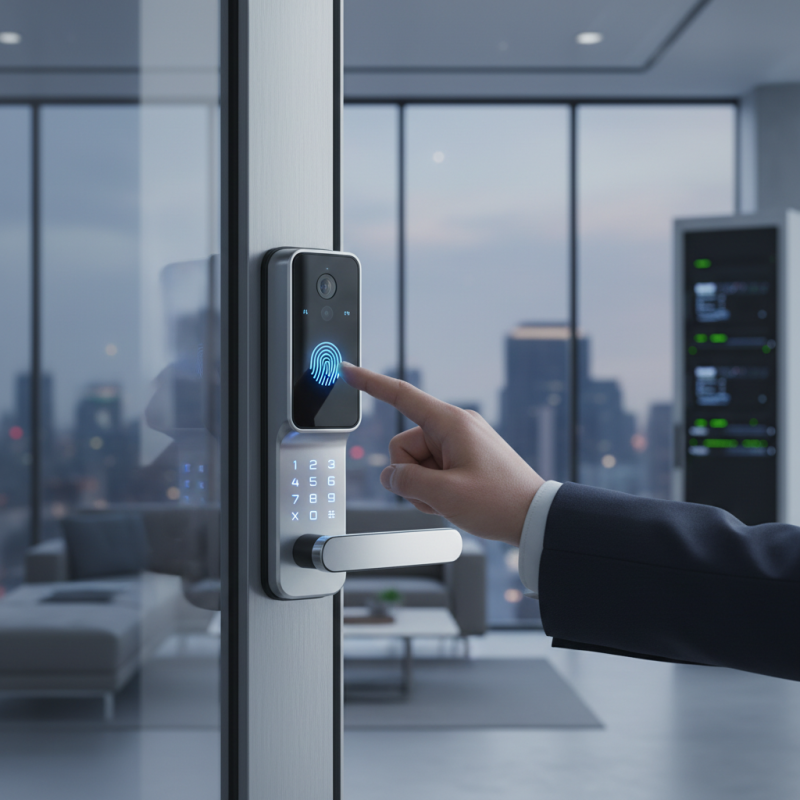
Benefits of Electronic Locks Over Traditional Lock Systems
Electronic locks offer many advantages over traditional locking systems for businesses. They enhance security through advanced technology. One of the key benefits is the ability to track access. Business owners can monitor who enters and exits in real time. This provides invaluable insights into employee movements. Unlike conventional locks, electronic systems can be easily updated. Changing access codes is more efficient than replacing physical keys.
Tips for choosing electronic locks: Consider the lock’s compatibility with your security system. Ensure that it meets industry standards. Regularly update access codes to maintain security. Training staff on proper usage is essential. An informed team can prevent unauthorized access. Balancing convenience and security is key. Reflections on existing systems reveal that upgrades can sometimes pose challenges. Addressing these issues proactively can lead to better security outcomes.
FAQS
: Electronic locks enhance protection with features like access control and remote monitoring. They limit access to sensitive areas.
Evaluate your premises' layout. Consider different areas needing varying levels of access. Avoid one-size-fits-all solutions.
Regularly check for software updates each month. Perform audits of access logs to identify patterns or anomalies.
Forgotten codes can weaken system security. Proper employee training on security protocols is crucial to avoid such errors.
Power outages may disable locks reliant on electricity. Some systems are vulnerable to hacking if improperly managed.
Frequent updates prevent unauthorized access. Keeping access codes fresh is essential for maintaining security.
Smart locks and cloud-based locks offer flexibility and real-time tracking. These innovations are shaping the future of security.
Fingerprint scanners and facial recognition provide personalized access. However, they can have vulnerabilities like false positives.
Relying on a single technology can be risky. Redundant systems strengthen overall security and reduce vulnerabilities.
Regular reviews of evolving threats will help guide choices in lock solutions. Continuous evaluation is key to effective security.
Conclusion
Electronic locks represent a significant advancement in security solutions for businesses, offering several benefits over traditional lock systems. Notably, how electronic locks improve security includes enhanced access control, allowing for customized permissions and time-limited access for employees. Furthermore, these locks often feature advanced technologies such as keypads, biometrics, or smartphone integration, which provide a higher level of security against unauthorized entry.
Incorporating electronic locks into a business's overall security system can streamline access management and monitoring. Their scalability allows for seamless integration, and regular maintenance ensures optimal functionality. As trends evolve, the future of electronic lock security solutions is likely to include innovations such as AI-driven monitoring systems and increased connectivity with other smart security devices, further enhancing the safety and efficiency of business environments.
