Unauthorized access in buildings is a significant concern for businesses and property owners. According to industry reports, around 30% of business interruptions are due to security breaches. These incidents not only lead to financial losses but also damage reputations. Understanding how to prevent unauthorized access in buildings is crucial for maintaining safety.
Effective security measures can deter intruders. For example, implementing access control systems and surveillance cameras can reduce the risks associated with unauthorized entry. The global security systems market was valued at approximately $40 billion in 2021, reflecting a growing awareness of safety protocols. Yet, many buildings still lack adequate measures. This gap highlights the need for continuous assessment and improvement in security strategies.
Organizations must remain vigilant. Regular training and updates for staff can strengthen security awareness. Even small oversights can lead to vulnerabilities. It is essential to engage with experts and stay informed on the latest security technologies and practices. Addressing these challenges is vital for creating a secure environment in today’s world.
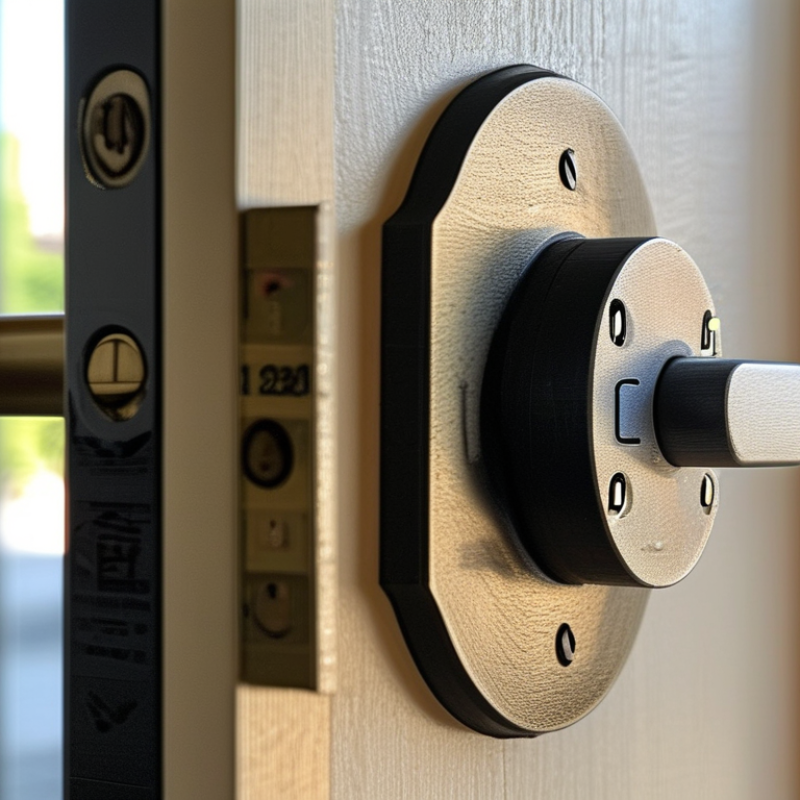
When assessing vulnerabilities in building access points, it is crucial to adopt a multi-faceted approach. Many organizations overlook the importance of routine audits. According to a study by the Security Industry Association, nearly 87% of security breaches occur due to unsecured access points. This suggests that unaddressed vulnerabilities can easily lead to unauthorized access.
Physical access control systems are only as strong as their weakest link. Keyless entry systems and biometric scanners are popular, yet they can be exploited. A report from the National Institute of Standards and Technology indicates that biometrics can fail in 1 in 10,000 attempts. This indicates a startling vulnerability that many facilities may not realize. Regularly testing these systems and integrating advanced technologies can significantly improve security posture.
Training staff on recognizing unauthorized access attempts is essential. Many employees might not see unusual behavior. An alarming 60% of unauthorized access incidents are unnoticed until it’s too late, according to a survey from the ASIS International. Engaging employees in the security process can create a culture of awareness. This engagement might reveal blind spots in existing protocols that need immediate addressing. Regular feedback loops can foster an environment where security is continually evaluated and enhanced.
Implementing advanced security systems is essential in enhancing building safety. According to recent studies, a staggering 67% of security breaches occur due to inadequate access controls. Smart access control systems can significantly reduce this risk. These systems use biometric data, such as fingerprints or facial recognition, ensuring that only authorized personnel can enter restricted areas.
Surveillance technology also plays a critical role in preventing unauthorized access. Reports indicate that buildings equipped with high-definition cameras experience a 30% decrease in security incidents. Integrating AI into security systems allows real-time monitoring. This technology can analyze patterns, detect unusual behavior, and alert security personnel immediately.
However, while technology offers many benefits, it presents challenges. Over-reliance on automated systems can lead to complacency among staff. Regular training is vital to ensure personnel understands the importance of their roles. Additionally, privacy concerns often arise with high-tech surveillance. Finding a balance between security and privacy remains a complex issue for many organizations. Investing in continuous improvement and user education is key to effective security management.
Training staff on security protocols and emergency procedures is crucial for preventing unauthorized access in buildings. Regular training sessions help employees understand their roles and responsibilities. Engaging methods like role-playing scenarios can stimulate awareness and preparedness. Providing refresher courses periodically ensures that knowledge remains fresh.
The effectiveness of security measures often relies on employees’ vigilance. It's essential for staff to recognize suspicious behavior and know how to respond. Sometimes, even experienced personnel may overlook minor details. Emphasizing the importance of reporting unusual activities can create a security-conscious environment. Regular drills for emergency procedures can also reinforce how to react during real crises. These drills can reveal areas needing improvement.
Creating a culture of security awareness requires effort. Encourage open discussions about security concerns among staff. Incorporate feedback into future training sessions. Acknowledging that no system is perfect can lead to continuous improvements. Everyone plays a role in ensuring safety and security within the building.
Regular updates of access control policies and procedures are critical for securing buildings against unauthorized access. Policies must reflect current security threats and trends. For instance, assessing risks can help identify vulnerabilities in the existing security framework. Regular reviews should not be just a formality but a proactive approach to security.
Involving security professionals ensures that access policies are robust and effective. They can provide insights based on recent incidents and advancements in security technology. Frequent training sessions for staff are also necessary. Employees should understand the importance of compliance with these policies. Moreover, outdated protocols can lead to complacency and increased risk.
Many organizations struggle to keep their security measures current. Staff changes or budget constraints often lead to negligence in policy updating. Documenting incidents where authorization failed can reveal gaps that require immediate attention. Reflecting on past mistakes is crucial for improvement. Regular updates are not just a checkbox; they are vital for maintaining a secure environment.
Conducting routine security audits and risk assessments is vital for preventing unauthorized access in buildings. An alarming 30% of businesses report security breaches annually. Regular audits help identify vulnerabilities before they become significant issues. Organizations should assess entry points, such as doors and windows, to determine their susceptibility to unauthorized access.
Security assessments not only highlight weak areas but also offer a framework for improvement. For instance, nearly 60% of thefts occur through unlocked entry points. By evaluating the effectiveness of existing security measures, management can prioritize enhancements. Engaging with security professionals brings valuable insights. They often identify overlooked issues, such as inadequate lighting or malfunctioning surveillance systems.
Continuous monitoring is essential. Many organizations fail to revisit their security policies after initial implementation. Yearly assessments can highlight evolving threats, ensuring that defenses remain robust. In areas with high foot traffic, such as lobbies, the risk escalates. By routinely checking protocols, organizations can better safeguard sensitive areas. This proactive approach fosters a sense of security among employees and visitors alike.
: It helps prevent unauthorized access and ensures employees understand their roles.
Role-playing scenarios stimulate awareness and preparedness effectively.
Refresher courses ensure knowledge stays fresh and applicable.
It is essential; even experienced staff can overlook minor details.
Encouraging reporting of unusual behaviors fosters vigilance among employees.
They identify vulnerabilities before they lead to significant security breaches.
Nearly 60%, highlighting the need for secure locking practices.
They pinpoint weak areas and offer a framework for necessary improvements.
Many fail to revisit or update policies after initial implementation.
Everyone contributes to safety; acknowledging imperfections can drive continuous improvement.
Preventing unauthorized access in buildings is crucial for maintaining safety and security. To effectively address this issue, it's essential to first assess vulnerabilities at various access points, identifying weaknesses that could be exploited. Implementing advanced security systems and technologies, such as surveillance cameras and smart locks, can significantly enhance building security. Additionally, training staff on security protocols and emergency procedures ensures they are prepared to respond appropriately in case of an intrusion.
Regularly updating access control policies and procedures is vital to adapt to changing security needs. Conducting routine security audits and risk assessments helps identify new threats and evaluate the effectiveness of existing measures. By following these comprehensive strategies, organizations can significantly reduce the risk of unauthorized access and create a safer environment for all occupants.

Tahiti Lock