In recent years, smart locks have gained popularity in China, offering advanced features compared to traditional locks. Homeowners are often curious about what is the difference between smart and traditional locks. Smart locks provide convenience, versatility, and improved security through smartphone connectivity and unique access codes.
Unlike traditional locks, which rely solely on physical keys, smart locks can be controlled remotely. Many smart locks offer integration with home automation systems. They often include security features like alerts and monitoring capabilities. This evolution in locking technology raises questions about user trust and potential vulnerabilities.
However, not every aspect is perfect. Smart locks may experience glitches or require battery replacements, causing inconvenience. Reliability and system compatibility can vary widely. Traditional locks, while simple, may lack advanced features but can be more dependable in basic locking mechanisms. Understanding these differences is essential for homeowners making secure choices for their properties.
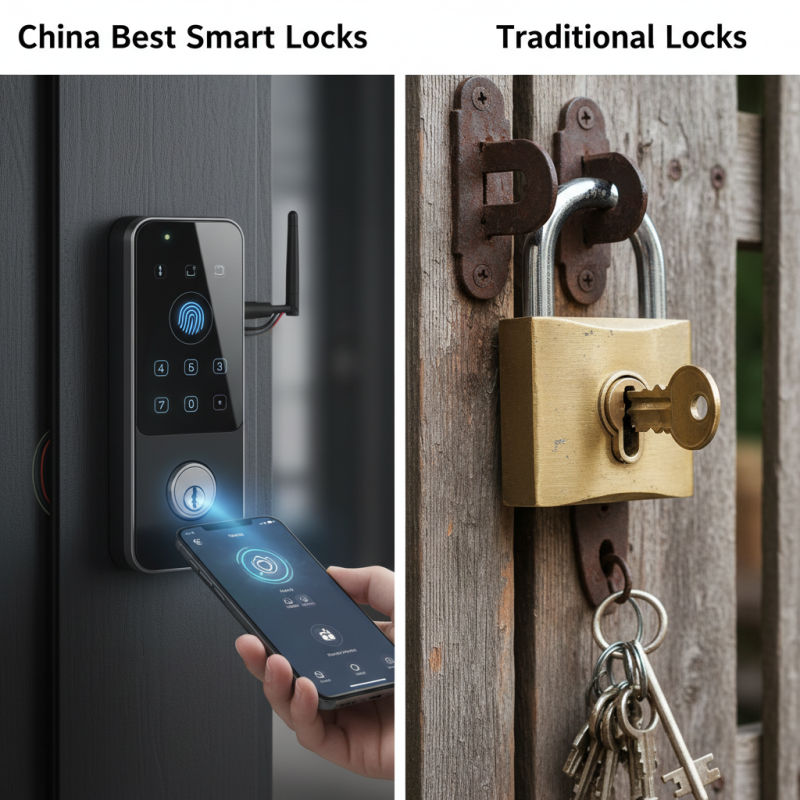
Differences in Security Features Between Smart and Traditional Locks
Smart locks and traditional locks serve the same purpose: securing our homes. However, their security features greatly differ. Smart locks use advanced technology like biometrics and Bluetooth connectivity. They grant access using fingerprints or smartphone apps. This can provide immediate alerts if someone attempts to tamper with them. Traditional locks rely on physical keys, which can be lost or duplicated. A simple lock pick can compromise their security.
One major difference is in the ability to control access remotely. Smart locks allow homeowners to create temporary access codes for guests. This is convenient for people who constantly have visitors. Traditional locks do not offer such flexibility. While they are straightforward, they lack the ability to monitor who enters your home. When considering long-term security, it's important to weigh the potential vulnerabilities of each system.
Interestingly, not all smart locks are foolproof. They can be susceptible to hacking or power failures. In contrast, traditional locks have proven reliable over decades. Yet, even they can be vulnerable to physical attacks. Balancing modern technology with basic principles of security might help in making the best choice for home protection.
China Best Smart Locks vs Traditional Locks - Differences in Security Features
| Feature |
Smart Locks |
Traditional Locks |
| Remote Access |
Yes, via smartphone app |
No |
| Keyless Entry |
Yes, fingerprint or pin code |
Yes, uses physical key |
| Security Alerts |
Yes, notifications to phone |
No notifications |
| Battery Backup |
Yes, works during power failure |
N/A |
| Installation |
DIY or professional |
Typically professional |
| Price Range |
Higher, $100-$300 |
Lower, $20-$100 |
| Integration with Smart Home |
Yes, can sync with other devices |
No |
User Convenience: Smart Lock Accessibility Compared to Traditional Locks
Smart locks are reshaping how we think about security and access. Unlike traditional locks, smart locks utilize innovative technology to enhance user convenience. They generally allow users to unlock doors via smartphones. In a market analysis conducted by Statista, approximately 20% of households are expected to adopt smart lock technology by 2025. This indicates significant growth, highlighting the increasing acceptance of smart technology.
Accessibility is a key factor in this evolution. For instance, a study by the Consumer Technology Association reveals that 65% of users prefer keyless entry for its ease. Users benefit from remote access options, which are not available with traditional locks. In contrast, traditional locks often require physical keys, making them less convenient. While they are still reliable, they may become obsolete as smart lock technology improves.
However, smart locks are not without concerns. Some users worry about technical failures or hacking. Security experts emphasize the importance of robust passwords and two-factor authentication. Although smart locks offer advanced features, they need constant updates and maintenance to ensure optimal performance. This responsibility can be overwhelming for average users. Balancing convenience with security is essential in this digital age. The evolution of locks invites both excitement and caution in the realm of home security.
Integration with Smart Home Systems: A Key Difference Explained
Smart locks are gaining popularity due to their ability to seamlessly integrate with smart home systems. This integration allows for remote access and control, transforming how we secure our homes. A report from Research and Markets highlights that the global smart lock market will reach USD 4.2 billion by 2025, primarily due to this feature.
Smart locks can connect to Wi-Fi or Bluetooth networks, enabling users to lock or unlock doors using a smartphone. This is a significant shift from traditional locks, which require physical keys. The convenience of managing access from anywhere is appealing to many homeowners. However, some challenges exist. For instance, dependent on technology makes them vulnerable to hacking.
**Tip:** Always update your smart lock's firmware. Regular updates address security vulnerabilities.
Integration with smart home systems can enhance security. Users can receive alerts when doors are locked or unlocked. Data from Statista shows that 45% of smart home device owners reported increased peace of mind. Yet, not every smart lock offers the same level of integration. Some might only work with specific platforms, limiting user options.
**Tip:** Before purchasing, check compatibility with existing smart home systems. This can save time and hassle.
Smart locks represent a significant advancement, but they require careful consideration. Balancing convenience with security is crucial. Users should remain informed about updates and potential vulnerabilities in their smart locking systems.
Cost Analysis: Initial Investment vs Long-term Benefits of Smart Locks
When comparing smart locks to traditional locks, cost analysis reveals interesting insights. Smart locks often require a higher initial investment. Prices for these modern devices can exceed traditional locks by a significant margin. However, their long-term benefits can justify this cost over time. Smart locks offer features like remote access and activity monitoring. These can enhance home security and convenience.
Maintenance costs for traditional locks can accumulate. They may require frequent repairs or replacements due to wear and tear. In contrast, smart locks often provide software updates, leading to improved security features. This makes them a reliable choice over the long haul. But, it’s important to consider factors like battery life and connectivity issues. Smart locks depend on technology, which can sometimes fail.
Ultimately, while smart locks are generally more expensive initially, their long-term advantages can outweigh the costs. The peace of mind they provide is invaluable. Yet, homeowners should carefully evaluate their specific needs and potential risks. Understanding the balance between upfront costs and ongoing benefits will help guide the decision-making process.
Durability and Maintenance: Assessing Longevity of Each Lock Type
When comparing smart locks and traditional locks, durability and maintenance are key factors to consider. Traditional locks, often made of sturdy metals, can withstand physical tampering. Their simplicity also means fewer components that can fail. However, over time, these locks may rust or wear out, especially in extreme weather. Regular maintenance, such as lubrication, is essential to keep them functioning smoothly.
Smart locks, on the other hand, offer high-tech convenience but come with their own durability challenges. They typically use electronic components, making them vulnerable to water damage or battery failure. A malfunction could leave you locked out. Nevertheless, many smart locks are designed with robust materials and additional security features. Proper maintenance, like updating software and replacing batteries, is crucial to ensure their longevity.
Both lock types have their advantages and downsides. A smart lock may require more attention but offers advanced capabilities. Conversely, traditional locks are reliable but may lack modern security features. This comparison encourages reflection on what matters most in security design: convenience, reliability, or a combination of both.
China Best Smart Locks vs Traditional Locks: Durability and Maintenance
In assessing the durability and maintenance of smart locks versus traditional locks, smart locks tend to offer a longer lifespan averaging around 10 years, while traditional locks typically last about 5 years. This chart illustrates the significant difference in longevity between the two types of locks.
FAQS
: Smart locks use technology like biometrics, while traditional locks rely on physical keys. Smart locks offer more advanced alerts and controls.
Yes, users can control smart locks from anywhere using smartphones. Traditional locks do not have this capability.
Smart locks can be hacked or fail due to power issues. They require technology, which makes them vulnerable.
Traditional locks have been reliable for decades but can be compromised by physical attacks. They do require keys, which can be lost.
Traditional locks need lubrication and can rust, while smart locks require software updates and battery replacements to function properly.
No, not all smart locks work with every smart home system. Users should check compatibility before purchasing.
Yes, smart locks can send alerts when doors are locked or unlocked, enhancing user awareness and security.
Regularly updating smart lock firmware is crucial to address security vulnerabilities and enhance safety.
Yes, traditional locks can be vulnerable to simple picking methods. They lack the tech-based security offered by smart locks.
It's important to consider convenience and reliability. Each individual may have different priorities based on their security needs.
Conclusion
In exploring the question of "what is the difference between smart and traditional locks," several key factors emerge. Firstly, security features play a significant role, with smart locks often offering advanced technologies like remote access and real-time alerts, compared to the more basic security levels of traditional locks. User convenience is another important distinction; smart locks provide greater accessibility through mobile apps, allowing users to unlock doors from anywhere, while traditional locks require physical keys.
Furthermore, smart locks can easily integrate with existing smart home systems, adding an extra layer of functionality. When considering the cost, while the initial investment in smart locks may be higher, the long-term benefits, such as convenience and enhanced security, can outweigh the upfront costs. Finally, both types differ in durability and maintenance, as smart locks may require more upkeep due to electronic components, whereas traditional locks are often simpler and may last longer with less maintained. Overall, each lock type has its unique advantages depending on user needs.
 Tahiti Lock
