Managing entry across a large facility is not simply a matter of installing stronger doors. It requires a living strategy that connects people, technology, procedures, and daily supervision. This introduction to China’s top 10 access control systems for large facilities examines how platforms support campuses, factories, hospitals, logistics centers, and high-rise workplaces. It focuses on identity verification, visitor handling, badge management, audit trails, emergency access, and system integration.
A practical question guides the discussion: how to manage access control in large facilities without creating delays, confusion, or unnecessary exposure of personal data. John Kindervag, the security strategist credited with creating the Zero Trust model, stated, “Never trust, always verify.” That principle remains useful at a busy entrance, where an employee badge, visitor appointment, and door event should tell the same story. Small details matter. A rejected badge at 7:42 a.m. should trigger a clear response, not a guess.
The systems reviewed here are compared through operational experience, security architecture, scalability, reliability, and support requirements. Some platforms offer impressive biometric functions, while others provide better integration with existing cameras, elevators, and human resources systems. No system is flawless. A rushed deployment can produce locked-out staff, inaccurate permissions, or overloaded reception desks. That assumption needs testing. Facility managers should also assess accessibility, privacy safeguards, backup power, maintenance training, and local compliance before selecting a solution. The strongest platform is not always the most expensive one. It is the one that remains understandable and dependable during an ordinary morning, a staff change, or an unexpected evacuation.
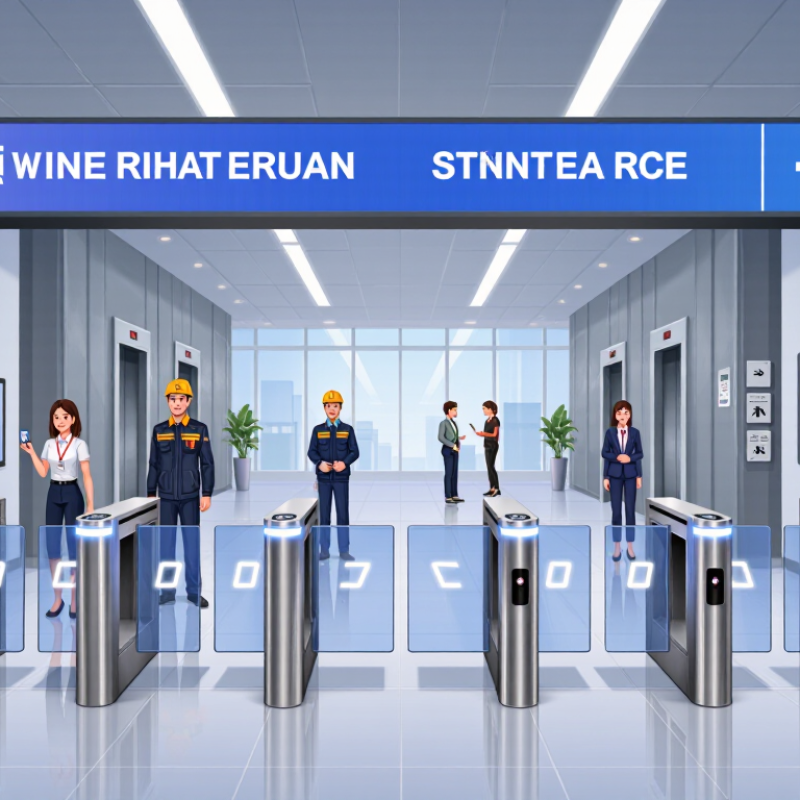
Definition and Role of Access Control Systems in Large Facilities
Access control systems regulate who may enter, where they may go, and when access is permitted. In large facilities, they connect doors, gates, elevators, visitor desks, and security monitoring into one controlled environment. Their role extends beyond locking doors. They help protect employees, equipment, records, and restricted work areas.
A dependable system usually combines identity verification, permission management, event logging, and emergency procedures. Credentials may include cards, mobile devices, personal codes, or biometric checks. Administrators can assign different access levels to contractors, employees, visitors, and maintenance teams. Every entry attempt creates a time-stamped record, supporting investigations and daily security reviews. Clear audit trails matter.
Large facilities also need fast response during unusual events. A central dashboard can show forced doors, repeated failed attempts, or movement into restricted zones. Integration with alarms and video monitoring can help security staff verify incidents quickly. However, technology does not remove human responsibility. Poorly maintained readers, shared credentials, and outdated permissions can weaken strong systems.
Experience shows that practical design often matters more than impressive specifications. Entry points need clear signs, reliable power, and accessible backup procedures. Staff training should cover lost credentials and evacuation situations. Some deployments still overcomplicate routine access, creating delays at busy entrances. That weakness deserves honest review. Regular testing, permission audits, and user feedback help facilities adjust controls without disrupting essential operations.
Key Features of China’s Leading Access Control Solutions
China Top 10 Access Control Systems for Large Facilities
Key Features of China’s Leading Access Control Solutions
Large facilities need more than electronic doors and access cards. China’s leading access control solutions combine smart readers, centralized software, video verification, and real-time alarms. They support multiple entrances, employee zones, visitor areas, parking gates, and emergency exits. A strong system should connect with attendance, fire safety, and building management platforms. It should also continue operating during network interruptions. Reliable event logs help security teams review who entered, when, and through which doorway.
Biometric recognition can improve convenience, but it requires careful privacy management and clear user consent. Encrypted communication, role-based permissions, and regular software updates reduce operational risks. Large sites also need flexible capacity. A system that works for 500 users may fail under 20,000. Practical testing matters. Check response speed at busy shift changes, not only in a quiet showroom. A polished dashboard is not enough. Field conditions expose weaknesses, including poor lighting, dust, delayed alarms, or confusing recovery procedures.
Tips: Test every reader during peak traffic. Keep backup power available. Review permissions monthly. Train guards with realistic drills. Do not assume integration is automatic; confirm data formats, response times, and failure alerts. Some projects still overlook offline access rules, which can create confusion during network outages. That detail deserves a written procedure.
Top 10 Chinese Access Control Systems for Large Facilities
China’s access control systems for large facilities now support dense campuses, factories, hospitals, and logistics centers. They commonly combine smart cards, mobile credentials, biometric readers, visitor terminals, and video intercoms. In practical site reviews, the strongest systems are not always the most feature-heavy. Stable performance matters more than impressive demonstrations.
Large facilities need central management, local failover, and clear permission levels. A reliable platform should connect with elevators, turnstiles, alarms, attendance tools, and emergency procedures. It should also record entry events accurately, even during network interruptions. Chinese systems can offer strong customization, but compatibility must be tested with existing infrastructure. A shortlist can still be wrong.
Tips: Test readers at busy entrances during peak hours. Check response times, offline operation, and administrator workflows. Ask for service records, software update policies, and cybersecurity documentation. Confirm that personal data is encrypted, access is limited, and retention rules are configurable. Avoid choosing from a brochure alone. A live pilot reveals practical weaknesses, including confusing screens or delayed alerts. These details may seem minor, yet they affect security staff every day. A careful buyer should also inspect local support capacity and replacement timelines. No system is perfect. Planning for failure is part of professional selection.
China Top 10 Access Control Systems for Large Facilities
This chart compares common access-control system configurations used in large facilities in China by the number of core functions typically integrated into one deployment. The comparison focuses on system architecture and facility requirements rather than company or brand performance.
Comparison of Security, Integration, and Management Capabilities
China Top 10 Access Control Systems for Large Facilities
Large facilities need more than fast door authentication. They need dependable security, clear integration, and manageable daily operations. In comparing China’s top ten access control systems, examine multi-factor authentication, visitor workflows, alarm response, and offline operation. A strong system should continue recording events during network interruptions. It should also protect sensitive credentials through encryption, role-based permissions, and audit trails.
Integration can determine long-term value. Leading systems commonly connect with video surveillance, elevators, fire safety interfaces, attendance platforms, and centralized security dashboards. However, compatibility claims need practical testing. A system may support an open protocol, yet require custom work for older equipment. Management quality matters just as much. Administrators should be able to add users, change permissions, review entry logs, and manage multiple buildings from one interface. We noticed this during facility evaluations.
Tips: Test a full access scenario before purchase. Simulate a power loss, network failure, emergency release, and staff turnover. Measure response times. Also check reporting detail, maintenance tools, training requirements, and data storage controls. Do not judge systems by hardware appearance alone. A polished terminal can still create slow approval workflows. Conversely, a modest interface may provide stronger operational visibility. Our assessment remains imperfect because site layouts, user volumes, and existing infrastructure differ widely. A hospital, logistics center, and research campus may need very different priorities.
Selection Criteria for Large Facility Access Control Systems
Selecting an access control system for a large facility begins with understanding daily movement. A hospital, warehouse, and research campus need different controls. Map entrances, restricted zones, visitor routes, and emergency exits before reviewing equipment. A system should support present staffing and reasonable growth. Overlooking future expansion can create expensive replacements.
Capacity matters, but performance matters more. Check how quickly readers process credentials during shift changes. A crowded lobby reveals weaknesses that a brochure may hide. Test the system with realistic traffic, including contractors and visitors. Confirm that administrators can assign permissions by role, location, and schedule. Temporary access should expire automatically. That detail prevents many routine errors.
Integration deserves careful review. The platform should connect with video monitoring, alarms, elevators, and existing identity directories through documented interfaces. Audit records must show who entered, when, and where, with clear export options. Protect personal information through limited access, encryption, retention rules, and regular reviews. Physical durability also matters. Outdoor readers may face rain, dust, temperature changes, and repeated impact. Ask about maintenance intervals, replacement parts, training, and local technical support. Independent testing and recognized safety standards can strengthen confidence, but certificates do not replace site trials. I have seen teams overvalue advanced features and underestimate poor network design. That mistake is worth remembering. Availability during power or network interruptions should be tested, not assumed. Accessibility, fire safety coordination, and clear user instructions should guide the final selection.
Conclusion
Access control systems are essential for protecting large facilities by regulating who can enter specific areas, when access is permitted, and how security events are recorded. This overview explains the role of centralized access management in offices, campuses, industrial sites, hospitals, and public buildings. It highlights key features found in leading Chinese solutions, including smart credentials, biometric verification, visitor management, real-time monitoring, alarm notifications, access logs, and flexible permission settings.
The article introduces ten representative types of Chinese access control systems for large facilities and compares their security, integration, scalability, and administrative capabilities. It also discusses how to manage access control in large facilities through centralized platforms, role-based permissions, regular audits, emergency procedures, and reliable data protection. Finally, it provides practical selection criteria, such as system stability, compatibility with surveillance and building management platforms, ease of maintenance, customization, user capacity, and long-term operational costs.
 Tahiti Lock
