Securing commercial buildings is crucial in today’s world. Businesses face various security threats that can jeopardize assets and personnel. But what is the best way to secure commercial buildings? The answer involves a combination of strategies tailored to specific needs. Each building has unique vulnerabilities.
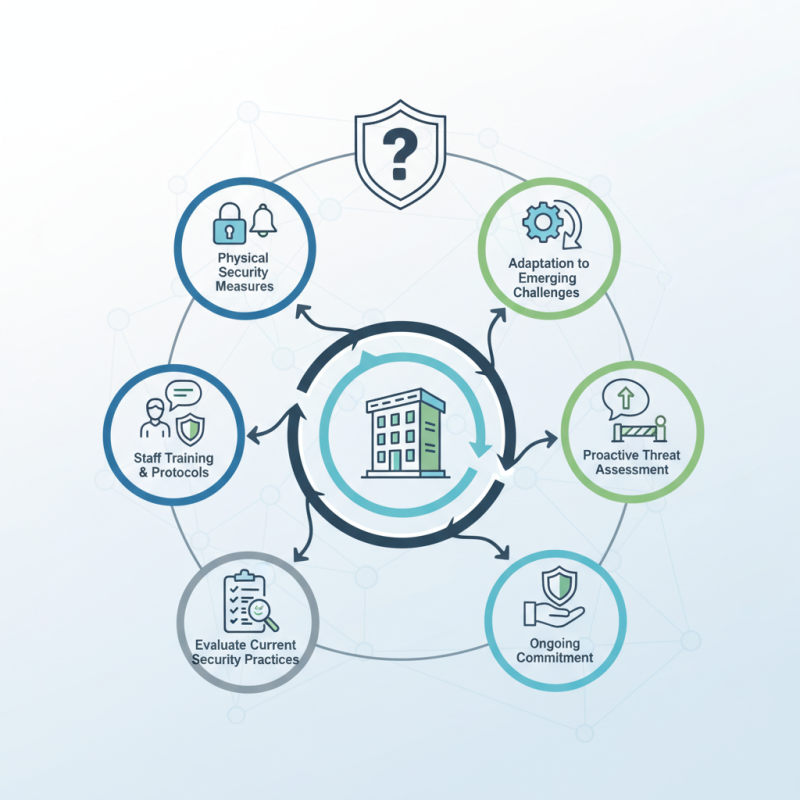
Investing in physical security measures is essential. For instance, installing high-quality locks and advanced alarm systems can deter intruders. However, it’s not just about hardware. Training staff on security protocols plays a vital role. Employees should know how to respond to potential threats.
Additionally, evaluating current security practices is necessary. Many businesses overlook regular assessments. A threat that was once minor might grow into a significant risk. By addressing these concerns proactively, owners can enhance safety. Ultimately, achieving robust security requires ongoing commitment and adaptation to emerging challenges.
Securing commercial buildings is crucial. These properties often house valuable assets and sensitive information. A breach can lead to significant financial losses and damage to reputation. Understanding the importance of security is the first step in protecting your business.
Effective security starts with a comprehensive risk assessment. Identify weak points that intruders might exploit. Consider installing surveillance cameras to boost visibility and deter criminals. Regularly update your access control systems to prevent unauthorized entry.
Tips: Engage employees in security training. A vigilant workforce can recognize suspicious behavior. Establish clear protocols for emergencies. Have a plan to respond quickly to potential threats. Regularly review and refine your security practices. Improvement is an ongoing process, not a one-time fix.
Identifying security risks in your commercial property is crucial. A thorough assessment helps reveal vulnerabilities. Consider the building's layout, lighting, and access points. Examine all entry access doors, including windows and gates. Each of these can present vulnerabilities if not adequately secured.
Tips: Conduct regular security assessments. Engage a professional to simulate potential intrusions. Address weaknesses immediately after detection. Understand how blind spots can obstruct visibility. Install motion-activated lights to enhance overall safety.
Evaluate your employees' awareness of potential risks. Train them to recognize suspicious activities. Encourage reporting unusual behaviors. This proactive approach can create a safer environment. Additionally, always keep emergency contact information visible. It ensures swift responses during critical situations. Remember, security should evolve with changing threats and risks.
| Method | Description | Effectiveness Rating |
|---|---|---|
| Access Control Systems | Implementation of keycards or biometric systems to restrict access to authorized personnel only. | High |
| Surveillance Cameras | Installation of CCTV cameras to monitor and record activity within and around the premises. | High |
| Security Personnel | Employing trained security guards to oversee and respond to security incidents. | Medium |
| Alarm Systems | Installing alarms that trigger when unauthorized access is detected. | High |
| Lighting | Adequate outdoor lighting to deter potential intruders and increase visibility. | Medium |
| Cybersecurity Measures | Protecting digital assets through firewalls, anti-virus, and employee training. | High |
| Physical Barriers | Use of fences, gates, and barriers to limit unauthorized access to the building. | Medium |
| Emergency Preparedness Plans | Creating and practicing evacuation and response plans for various emergencies. | Medium |
| Regular Security Audits | Evaluating the security measures regularly to identify loopholes and improve strategies. | High |
| Community Engagement | Collaborating with local law enforcement and the community for better security practices. | Medium |
In today’s world, commercial buildings face numerous security threats. Implementing access control systems is crucial for enhancing security. These systems help regulate who enters and exits a building. It reduces unauthorized access significantly.
Access control can be physical or digital. Keycards, biometrics, or mobile credentials provide flexibility. They not only streamline entry processes but also allow for detailed tracking. This helps identify patterns, showing when and where access is granted. However, these systems can be complex. Regular updates and training are necessary to prevent misuse.
Monitoring and maintenance are key aspects. Issues like system failures can create vulnerabilities. It’s important to have backup measures in place. A solid strategy includes real-time alerts for suspicious activities. Businesses must reflect on their current security measures. Adaptability is essential to keep pace with evolving threats and vulnerabilities.
Surveillance technology plays a crucial role in securing commercial buildings. By implementing high-quality cameras and monitoring solutions, businesses can enhance their safety measures. These systems act as a deterrent against theft and vandalism. When strategically positioned, they can cover blind spots and reduce risk.
Installing cameras in critical areas, like entrances and parking lots, is essential. Use high-definition cameras with night vision capabilities to ensure clarity in all conditions. It's also wise to integrate motion detection technology. This way, the system triggers alerts and captures footage only when necessary, saving storage space.
Regularly reviewing footage is vital. It helps in identifying potential security breaches. Consider a professional monitoring service for real-time alerts. This could provide immediate response capabilities. Remember, while technology is important, continuous assessment and updates to your security strategy can make all the difference. Effective integration of surveillance technology requires consistent evaluation and adaptation.
Training employees on security awareness and emergency protocols is crucial for safeguarding commercial buildings. Regular training sessions help staff recognize potential risks. This can include identifying suspicious behavior or understanding access control measures. Employees should be familiar with emergency exits and evacuation routes. Knowledge of these procedures significantly reduces panic during a crisis.
Effective training encourages active participation. Role-playing scenarios can engage employees and allow them to practice their responses. Providing visual aids, such as maps and emergency contacts, enhances retention of information. However, training is not a one-off event. Regular refreshers are necessary to keep security awareness levels high. Without ongoing training, knowledge may fade.
Establishing a culture of security is essential. Employees should feel comfortable reporting security issues. Openness fosters vigilance. However, there can be challenges, such as employee disengagement during training. This can lead to gaps in knowledge. Addressing these issues requires innovative training methods and ongoing evaluation. Overall, investing time in training strengthens the security posture of any commercial building.
: It helps identify vulnerabilities in the building's layout, access points, and lighting.
Examine entry doors, windows, gates, and overall access points for weaknesses.
Install motion-activated lights to improve visibility in dark areas.
Employees should recognize suspicious activities and report unusual behaviors.
Regular training sessions are necessary to keep security knowledge fresh.
Role-playing scenarios and visual aids can engage employees effectively.
Familiarity with exits and evacuation routes reduces panic during crises.
Employee disengagement during training can create knowledge gaps.
Encourage open communication about security issues and reporting.
Security knowledge may fade, leaving the property vulnerable to risks.
Securing commercial buildings is crucial for safeguarding assets, employees, and sensitive information. To effectively answer the question of what is the best way to secure commercial buildings, one must first understand the various vulnerabilities that exist within the property. Conducting a thorough risk assessment can help identify potential security weaknesses and enable targeted strategies.
Implementing access control systems can significantly enhance security, restricting entry to authorized personnel only. Additionally, integrating surveillance technology, including cameras and monitoring solutions, provides real-time visibility and helps deter criminal activities. Lastly, training employees on security awareness and emergency protocols is essential; it empowers them to respond effectively to potential threats. By addressing these key areas, businesses can cultivate a safer environment and mitigate security risks effectively.

Tahiti Lock