In 2026, warehouses face evolving security challenges. As technology advances, what security solutions are best for warehouses remains a pressing question. Theft, data breaches, and workplace safety issues are critical concerns.
Modern warehouses require robust protection strategies to safeguard assets and personnel. Surveillance systems are becoming more sophisticated. Drones and smart cameras are gaining traction. However, technology alone cannot solve all security problems. Human oversight is necessary to detect potential threats effectively.
Furthermore, integrating systems can lead to complications. Each solution may have its own weaknesses. It is essential for warehouse managers to assess their unique needs. Choosing the right combination of tools and services can be daunting. Therefore, ongoing evaluation of security measures is essential. Reflecting on past incidents can reveal vulnerabilities that need addressing. Ultimately, securing a warehouse is about striking the right balance between technology and human insight.
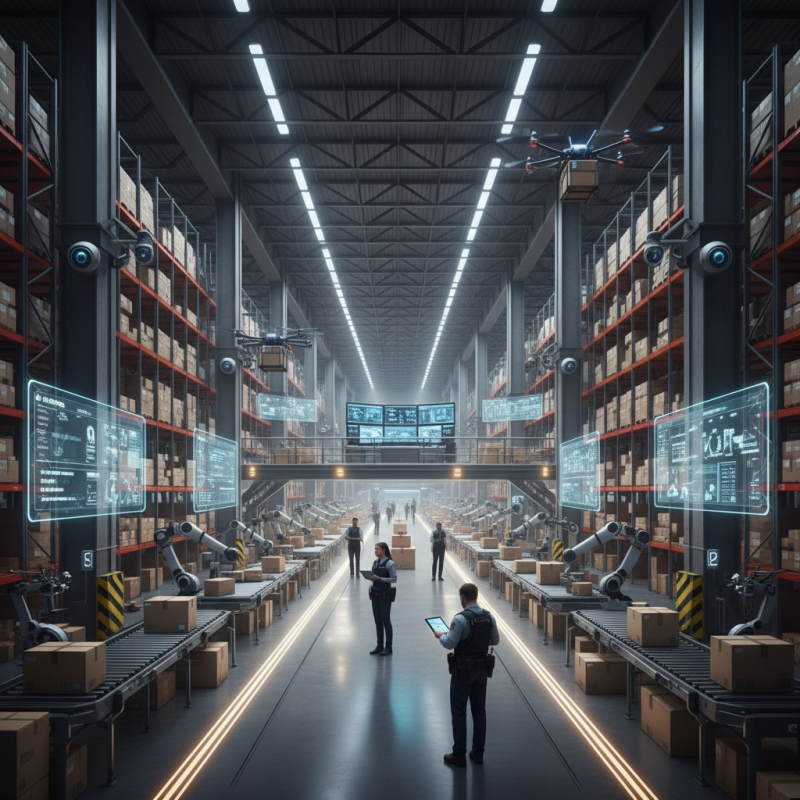
As warehouses evolve, security solutions must adapt to emerging technologies in 2026. Advanced surveillance systems are essential for monitoring vast spaces. High-definition cameras can provide real-time footage. Integrating artificial intelligence into these systems enhances their capabilities. AI can analyze behavior patterns and detect anomalies, alerting managers to potential threats. This proactive approach reduces response times during incidents.
Another promising development is the use of drones for security patrols. These unmanned aerial vehicles can cover large areas quickly. They offer a unique vantage point that traditional security personnel cannot achieve. However, the reliability of drone technology raises questions. Issues with battery life and weather dependence can limit effectiveness. Companies must weigh these challenges against potential benefits.
Biometric systems are gaining traction as well. Facial recognition and fingerprint scanning provide robust access control measures. Yet, concerns about privacy and data security arise. Storing sensitive biometric data poses risks if not managed carefully. Decisions surrounding these innovations should consider both effectiveness and ethical implications. The balance between high-tech solutions and the human element remains critical for comprehensive security.
The integration of Internet of Things (IoT) devices in warehouses offers significant advantages for security and monitoring. A recent industry report indicates that 85% of warehouses plan to adopt IoT solutions by 2026. These devices can enhance surveillance capabilities and provide real-time data on inventory and facility conditions. For instance, smart cameras can detect unusual activities and alert managers instantly.
However, the rapid deployment of these technologies comes with challenges. Data privacy concerns are a prominent issue. Many companies struggle with balancing surveillance and employee privacy. A study by a leading research firm revealed that 70% of warehouse workers felt uncomfortable with constant monitoring. This potentially leads to a decline in employee morale.
Moreover, the reliability of IoT networks can be questioned. Network interruptions may lead to gaps in monitoring coverage. A significant proportion of businesses—around 40%—report experiencing technical issues with IoT integration. Addressing these problems is crucial to ensure a seamless security experience. As organizations transition into these new technologies, reflection on their impacts is necessary for achieving long-term benefits.
In 2026, the rise of AI and machine learning is set to redefine risk assessment in warehouses. These technologies can analyze extensive data faster than traditional methods. They provide insightful predictions about potential security risks. For instance, AI can recognize patterns of unusual activity in real-time, alerting security teams immediately.
Tips: Invest in training staff to leverage AI tools effectively. This ensures your team can make informed decisions based on data insights.
Warehouse managers can use machine learning algorithms to assess vulnerabilities. These algorithms simulate various scenarios based on historical data. They help identify weak points in the security infrastructure. Effective risk assessment requires a multi-dimensional approach. Relying solely on one method may leave you exposed.
Tips: Regularly update the algorithms with new data. This will enhance their predictive capabilities and improve overall safety.
Automation through AI reduces human error. However, it’s crucial to remember that technology isn't foolproof. Regular evaluations of the system's performance are necessary. They help adjust strategies as new threats emerge. A balance between human oversight and automation is vital in maintaining security integrity.
In 2026, warehouses will face unique security challenges. Implementing effective physical security measures is crucial. Fencing and access control systems are foundational. They deter unauthorized entry and protect surrounding areas. Surveillance cameras are equally vital. High-definition cameras can monitor activities both day and night.
Lighting plays a significant role too. Bright, well-placed lights can prevent criminal activities. Yet, some managers overlook the importance of maintaining this equipment. Regular checks can ensure they function properly. Alarm systems offer an additional layer of protection. They alert staff to potential breaches quickly.
Training for employees cannot be underestimated. Staff must understand security protocols clearly. However, not all training programs are equally effective. Engaging training sessions can improve awareness. Regular drills can reinforce these lessons. Addressing these aspects creates a more secure workplace. It's essential to reflect on existing practices and strive for continuous improvement.
In 2026, cybersecurity will be a crucial focus for warehouses. A significant challenge remains the rise in cyberattacks, with reports indicating that 70% of businesses in this sector have experienced a security breach. These breaches disrupt operations and can lead to substantial financial losses.
Implementing robust cybersecurity solutions is essential. Experts recommend combining firewalls, intrusion detection systems, and employee training as a key strategy. Regular audits can help identify potential vulnerabilities. Data from the Cybersecurity and Infrastructure Security Agency indicates that 95% of successful attacks stem from human error. Thus, investing in user education is just as critical as technology.
Tips: Regularly update all software to patch vulnerabilities promptly. Encourage employees to use strong passwords. Creating a culture of security can drastically reduce risks. Always have a contingency plan in place for incident responses. Relying solely on technology won't suffice; human factors play a significant role. The blend of tech and awareness is essential to safeguard warehouse operations against evolving threats.
: Fencing, access control systems, and surveillance cameras are essential for deterring unauthorized entry.
Bright, well-placed lights can prevent criminal activities, but maintenance is often overlooked.
Staff must understand security protocols. Engaging training and regular drills can increase awareness.
Reports show that 70% of warehouses have faced security breaches, impacting operations and finances.
Combining firewalls, intrusion detection, and employee training helps protect against cyber threats.
Data suggests that 95% of successful attacks result from human error, emphasizing the need for user education.
Regular checks of lighting and alarm systems ensure all equipment functions properly and provides security.
Regular updates are necessary to patch vulnerabilities promptly and enhance cybersecurity measures.
Creating a culture of security among employees is vital, as human factors are crucial in preventing incidents.
Always having a contingency plan is necessary for responding to any potential security incidents effectively.
In the evolving landscape of warehouse security in 2026, it is imperative to explore what security solutions are best for warehouses to safeguard against emerging threats. The integration of IoT devices is revolutionizing surveillance and monitoring, allowing for real-time data collection and enhanced situational awareness. Additionally, the application of AI and machine learning is transforming risk assessment practices, enabling warehouses to proactively address vulnerabilities.
Physical security measures remain foundational, with best practices emphasizing access control and employee training to ensure a safe environment. Furthermore, as warehouses increasingly rely on digital operations, addressing cybersecurity challenges is critical. A comprehensive approach that combines advanced technology with robust physical and cyber security strategies will be essential for warehouses to navigate the complexities of modern security needs.

Tahiti Lock