Top 10 Benefits of Automation in Security Systems?

Time:2026-06-07 Author:Sophia
0%

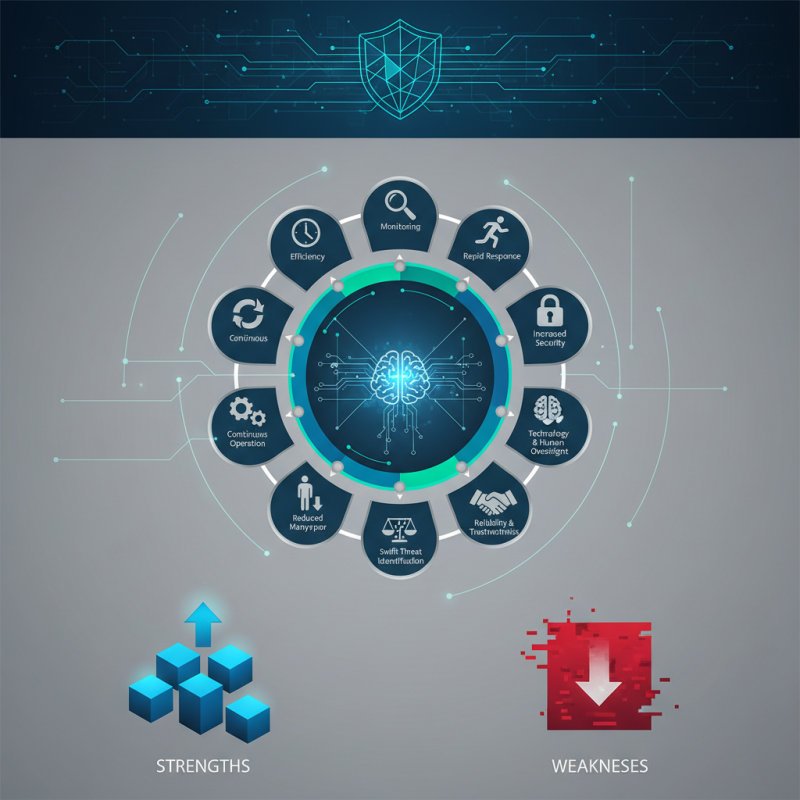
In today’s world, security is a top priority for both businesses and households. What is the role of automation in security systems? Automation enhances efficiency and effectiveness. It enables real-time monitoring and rapid response. Security measures increase when automated systems are in place. With technology advancing, the capabilities of these systems expand.

Automated security systems offer multiple benefits, such as reduced manpower needs. They can operate continuously without fatigue. Moreover, they help identify threats swiftly. However, not all automation is flawless. Technical glitches or cyber threats may arise, raising concerns.

Understanding the balance between technology and human oversight is crucial. It is essential to evaluate both strengths and weaknesses. Reflecting on how automation impacts security helps in deploying effective solutions. Ultimately, integration must prioritize reliability and trustworthiness in protecting assets.
Top 10 Benefits of Automation in Security Systems?

Understanding Automation in Security Systems

Automation in security systems has transformed how we protect our assets. By integrating technology, we can achieve higher efficiency and efficacy in monitoring and response. For instance, automated surveillance cameras can detect unusual activities and alert authorities instantly. This swift reaction can prevent potential incidents and minimize risks.

The increase in automation also leads to improved accuracy in detecting threats. Advanced algorithms analyze patterns in real-time, reducing human error. However, reliance on automated systems can lead to complacency among human operators. Regular training and updates are essential to ensure the workforce remains engaged and prepared.

Additionally, integrating automation can generate a wealth of data. This data can be analyzed to identify trends and vulnerabilities within security protocols. Yet, there’s an ever-present challenge of ensuring data security and privacy. Striking a balance between automation and manual oversight remains a critical aspect of security. The implementation of these systems demands careful consideration and constant evaluation.

Enhanced Efficiency and Time-Saving through Automation

Automation in security systems greatly enhances efficiency. By integrating automated processes, organizations can streamline operations. A report from the Security Industry Association indicates that companies using automated security systems report a 30% reduction in incident response times. This is significant. Faster responses directly lead to reduced risks and vulnerabilities.

Time-saving is another vital benefit. Automation allows security personnel to focus on critical tasks rather than mundane routines. For instance, automated surveillance can monitor vast areas without manual intervention. In a study by MarketsandMarkets, it was found that automation could reduce operational costs by up to 20%. That’s impactful information for businesses looking to optimize resources.

However, the implementation of automation isn't without challenges. Human oversight remains essential. Over-reliance on technology can create gaps in judgment. Additionally, integrating new automated systems can require substantial training for staff. Balancing automation with human expertise is crucial for maximizing overall effectiveness. It’s a delicate dance between technology and human insight. This balance will determine the success of automated security systems in the long run.

Improved Accuracy and Reduction of Human Error

Automation in security systems significantly enhances accuracy. Incorporating advanced algorithms reduces human errors, which are common in manual operations. According to a report by the Business Research Company, human error accounts for over 70% of security breaches. This alarming statistic highlights the urgent need for automation in security protocols.

Automated systems utilize real-time data to monitor threats. They analyze patterns to quickly identify irregular activities. A study from the International Journal of Security Systems found that automated systems can detect anomalies with a 95% accuracy rate. This level of precision exceeds traditional human monitoring. However, automated systems are not foolproof. They require regular updates and maintenance to function optimally.

Despite the advantages, reliance on technology introduces new vulnerabilities. Cyber threats constantly evolve, and systems need to adapt. Security teams must continuously evaluate the efficiency of automated processes. While they enhance overall safety, there's always room for improvement and reflection. Balancing automation with human oversight can yield the best results in security management.

Cost-Effectiveness and Resource Optimization in Security

Cost-effectiveness in security systems has become a primary concern for many organizations. Automation not only reduces the manpower needed for security tasks but also optimizes resources effectively. Intelligent surveillance can operate around the clock without any breaks. This ensures that security is never compromised due to human fatigue or oversight. Organizations can allocate funds saved from reduced staffing toward enhancing technology, such as better cameras or advanced analytics tools.

When considering implementation, think about your specific needs. Automated systems should meet your security demands without unnecessary complexity. Investing in user-friendly interfaces can further simplify operations. It may be tempting to choose the most advanced systems available. However, not every feature may be essential for your specific situation. Clarity in requirements will help streamline selection.

One tip is to conduct a thorough assessment of your current security measures. Identify gaps and areas where automation can provide clear benefits. Regularly review and update your systems to adapt to changing threats. This ensures that your automation remains effective and relevant in an ever-evolving security landscape. Secure your assets efficiently while being mindful of the evolving technology.

Top 10 Benefits of Automation in Security Systems
Benefit Description Cost Savings (%) Resource Optimization (%)
Reduced Labor Costs Automation minimizes the need for extensive security personnel. 30 25
Faster Response Times Automated alerts ensure rapid reaction to security threats. 15 10
24/7 Monitoring Automated systems offer continuous surveillance without breaks. 20 30
Data Accuracy Automated systems reduce human errors in data handling. 25 20
Scalability Automation allows easy scaling of security measures as needed. 18 15
Enhanced Reporting Automated reports provide detailed analysis of security incidents. 10 5
Predictive Analysis Automation can identify patterns and predict potential threats. 22 25
Improved Compliance Automated systems help maintain compliance with regulatory requirements. 15 10
Operational Efficiency Automation streamlines processes, resulting in better efficiency. 20 18
Increased Customer Trust Reliable systems boost confidence among clients and stakeholders. 12 10

Remote Monitoring and Control Capabilities of Automated Systems

Remote monitoring and control capabilities are key benefits of automation in security systems. These features allow for real-time surveillance and immediate response to incidents. According to a 2022 report from Security Industry Association, organizations utilizing automated security systems saw a 30% increase in response efficiency. This improvement can save businesses significant time and resources.

Automated systems enable users to access live feeds from security cameras remotely. Mobile apps and web interfaces make it easy for facility managers to control systems from anywhere. Interestingly, organizations can reduce operational costs by 20% through effective monitoring. This financial benefit encourages many companies to adopt automation.

Tip: Ensure that your remote access points are secure. Regularly update software and credentials to prevent unauthorized breaches.

While automation offers many advantages, it can lead to complacency among security personnel. Relying solely on automated systems may create vulnerabilities. Therefore, training staff to interpret data and make decisions is vital for overall security integrity. Balancing technology with human oversight strengthens safety measures.

Tip: Conduct regular training sessions to keep your team engaged and informed about system updates and procedures.

FAQS

: How does automation improve security efficiency?

: Automation streamlines operations, reducing incident response times by 30%. Faster responses lower risks significantly.

What are the time-saving benefits of automated security systems?

Automation lets personnel focus on critical tasks, cutting down on mundane routines. It can reduce operational costs by 20%.

Are there challenges when implementing automation?

Yes, human oversight is crucial. Over-reliance on technology can lead to gaps in judgment. Training is also necessary for staff.

How does remote monitoring enhance security?

Remote capabilities provide real-time surveillance. Users can control systems from anywhere through mobile apps and web interfaces.

What is the financial impact of automation in security?

Effective monitoring can decrease operational costs by up to 20%. This encourages more businesses to adopt automation.

Can reliance on automated systems create vulnerabilities?

Yes, it may lead to complacency among staff. Training to interpret data and make decisions is essential for integrity.

How can organizations ensure secure remote access?

Regularly update software and credentials. This practice helps prevent unauthorized breaches and strengthens security.

What is the balance needed in automated security systems?

Balancing technology with human expertise is vital. This balance influences the long-term success of automated systems.

Should security personnel receive regular training?

Absolutely. Regular sessions keep teams engaged and informed about updates, reinforcing overall safety measures.

Can automated systems fully replace human oversight?

No, over-reliance can create risks. Human insight is essential for maximizing the effectiveness of these systems.

Conclusion

Automation in security systems plays a crucial role in enhancing overall security measures by streamlining processes and minimizing human intervention. It significantly improves efficiency and saves time, allowing security personnel to focus on critical tasks instead of routine monitoring. By automating various functions, the accuracy of security operations is enhanced, leading to a marked reduction in human error, which can be pivotal in ensuring safety.

Moreover, the cost-effectiveness of automated security systems is notable, as they optimize resource utilization and reduce the need for extensive manpower. The capability for remote monitoring and control means that security managers can oversee their systems from anywhere, providing greater flexibility and responsiveness to potential threats. Overall, understanding what is the role of automation in security systems reveals its immense benefits in creating a more secure and efficient environment.

Sophia

Sophia

Sophia is a dedicated marketing professional with an exceptional depth of knowledge about her company's products and services. With a keen understanding of market trends and customer needs, she crafts insightful blog posts that not only inform but also engage readers, enriching the company’s online......