7 Tips Which Security Solutions Are Best for Warehouses?

Time:2026-09-09 Author:Oliver
0%

Choosing warehouse security is no longer a simple camera-buying decision. Modern facilities protect inventory, people, data, and delivery schedules at the same time. The real question is: what security solutions are best for warehouses? The answer depends on layout, product value, staffing, access points, and operational risks.

MHI’s 2024 Annual Industry Report found that 55% of supply chain leaders are investing in cybersecurity. That figure matters because warehouse systems now connect cameras, scanners, warehouse management software, and access controls. A single weak connection can affect daily operations. The 2024 Verizon Data Breach Investigations Report also found that the human element appeared in 68% of breaches. Training remains essential. Technology alone is not enough.

Physical controls still deserve close attention. A well-positioned camera should cover loading bays, high-value storage, and blind corners. Smart access control can record who enters restricted areas and when. Intrusion detection, visitor management, lighting, and monitored alarms add further layers. Small details matter. A blocked camera view can undermine an expensive system.

No solution is perfect. A warehouse may buy advanced tools but neglect maintenance, password management, or staff training. That is a costly weakness. This guide examines seven practical security solutions, including video surveillance, access control, alarms, cybersecurity, inventory tracking, employee training, and security audits. Recommendations should be tested against real workflows, not copied from a generic checklist. A thoughtful site assessment may reveal risks that technology vendors overlook.
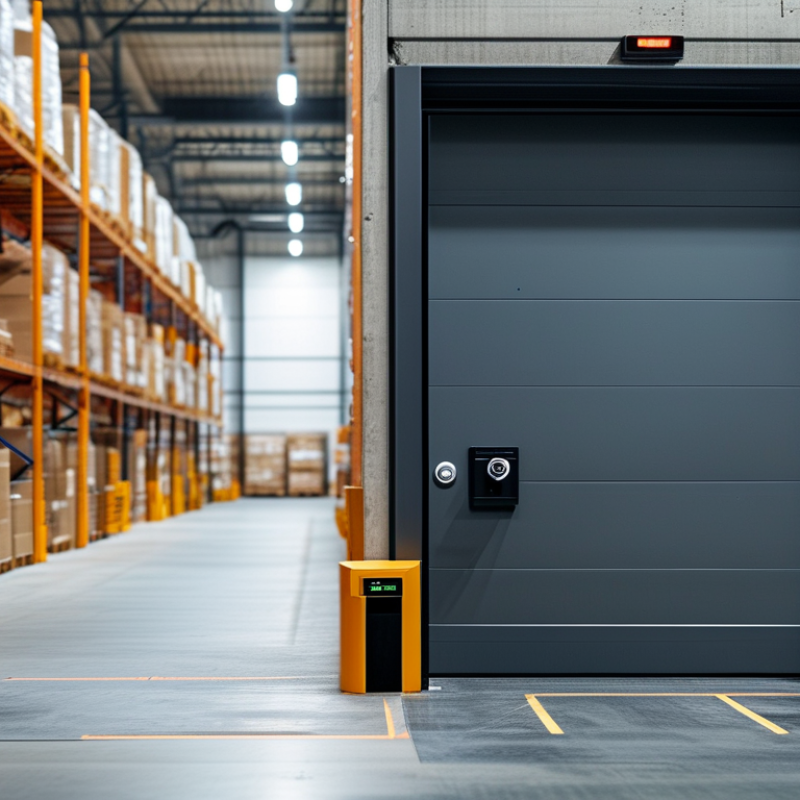
7 Tips Which Security Solutions Are Best for Warehouses?

Warehouse Security Risks and Protection Requirements

Warehouse security begins with understanding daily risks, not buying isolated devices.

Uncontrolled entrances, blind loading bays, misplaced keys, and rushed staff can create serious weaknesses. A practical risk survey should map doors, storage zones, vehicle routes, and emergency exits. Walk the site during both daylight and night shifts. Patterns change.

Layered protection works better than one impressive system. Use controlled access for employees, contractors, and visitors, with permissions matched to each role. Install cameras at entrances, docks, aisles, and high-value storage areas. Check image quality under poor lighting. Add bright, even lighting around fences and loading points. Door sensors and monitored alarms can identify unusual opening times. Keep access logs and review them regularly. Paper records alone are easy to overlook.

Inventory controls also matter. Scan goods during receiving, transfers, and dispatch, then investigate mismatched counts quickly. Separate visitor paths from forklift routes where possible. Train workers to challenge unfamiliar activity safely and report damaged seals or open doors. Practice response drills, but change the scenario occasionally. Repeating one script teaches compliance, not judgment. Cybersecurity deserves attention too, because cameras, locks, and inventory systems may share networks. Use strong passwords, limited permissions, software updates, and tested backups. No system is perfect. A camera may record an incident without preventing it, and an alarm may be ignored if false alerts become common. Independent reviews can expose these uncomfortable gaps.

Access Control Systems for Regulating Warehouse Entry

Access control systems regulate who enters a warehouse, when they enter, and which areas they can reach. In warehouse security assessments, I have found that clear permissions matter more than complicated features. Start by mapping the site into zones, such as receiving, storage, offices, and dispatch. Assign access by job role, not personal preference. Temporary workers should receive time-limited credentials. Visitors need visible badges and escort rules.

Use unique credentials for every employee. Shared cards weaken accountability. Add multi-factor verification for restricted rooms, including server spaces and high-value inventory areas. Door readers should connect with cameras, alarms, and attendance records. This creates a useful event trail when an unusual entry occurs. Anti-passback settings can reduce card sharing, but they need careful configuration. Poor settings may block legitimate workers during shift changes.

Review access logs every week. Look for entries outside scheduled hours, repeated denied attempts, or inactive accounts still in use. Remove credentials promptly after transfers or departures. Test emergency exits without disabling safety functions. Train supervisors to challenge unfamiliar visitors politely and record exceptions. A short drill can reveal problems that software misses, such as a door held open by a busy forklift operator. No system is perfect. A rushed delivery, forgotten badge, or poorly placed reader can still create a gap. Regular reviews, honest incident reporting, and practical staff feedback keep the controls reliable.

Video Surveillance and Monitoring Technologies

Video surveillance works best when it follows warehouse activity, not just walls. In warehouse assessments, I look at loading docks, aisle ends, entrances, and high-value storage zones. Fixed cameras should cover routine traffic, while adjustable cameras can inspect wider areas. Place them above eye level, but keep labels and package details readable. Poor angles create blind spots.

Seven practical tips improve reliability. Choose high-resolution cameras for barcode and pallet visibility. Use infrared imaging for dark aisles. Add low-light cameras near outdoor gates. Select motion detection that ignores routine lighting changes. Connect cameras to secure, time-stamped recording. Give trained managers limited access. Test alerts during busy shifts, not only after installation. A clear monitor wall also helps staff notice unusual movement quickly.

Monitoring requires disciplined review. Set different alert rules for quiet storage rooms and active loading bays. Keep recordings only as long as operational needs require. Protect access with strong authentication and audit logs. Check camera lenses weekly; dust can ruin an otherwise expensive image. I have found that analytics sometimes flag harmless forklift movement. Human review remains important. No system is flawless. A camera may record an event clearly but miss what happened outside its frame. Walk the floor monthly, compare footage with real workflows, and adjust coverage when shelving or lighting changes.

Intrusion Detection, Alarms, and Perimeter Protection

Warehouses need layered protection, not a single alarm at the main door.

CargoNet’s 2023 Annual Supply Chain Risk Trends Analysis recorded 1,183 cargo theft events in the United States and Canada, a 57% increase from 2022. That data supports stronger intrusion detection around loading areas, vehicle yards, and emergency exits.

Tip one: map blind spots after dark.

Tip two: use door contacts, glass-break sensors, and motion detection together.

Tip three: divide the alarm system into zones, so a fence breach does not evacuate the entire facility.

Tip four: connect alarms to trained responders who can verify events through video and access logs.

Fast verification matters. False alarms still waste attention.

Perimeter protection should include controlled gates, impact-resistant barriers, clear sightlines, and lighting that avoids deep shadows. The U.S. Department of Energy’s Better Buildings guidance recommends efficient exterior lighting with controls, but lighting alone cannot replace detection.

Tip five: inspect fence lines after storms and construction work.

Tip six: protect cameras and communication cables from tampering.

Tip seven: test backup power and alarm notifications each month.

The 2024 Global Risks Report from the World Economic Forum identifies supply-chain disruption as a major business concern. Yet many security plans still focus only on the building shell. That is an uncomfortable gap. A warehouse can have excellent sensors and still fail when credentials are shared, gates remain open, or alerts are ignored during busy shifts. Controls should be reviewed against real shift patterns, delivery schedules, and recent near-misses.

How to Select and Integrate the Best Security Solutions

Selecting warehouse security solutions starts with the site, not a product catalogue. Map entrances, loading bays, blind corners, high-value storage, and staff-only routes. Rank risks by likelihood and business impact. A camera may deter theft, but it cannot control a propped-open door. Choose access control, video monitoring, lighting, alarms, and visitor management as connected layers. Keep the design practical.

Verify image quality at night, not only during a bright demonstration. Check storage capacity, system uptime, user permissions, and maintenance requirements. Ask for clear performance records and realistic testing conditions. During integration, connect alerts to a defined response process. A loud alarm without trained staff creates noise, not protection. Ensure systems use compatible data formats and secure network settings.

Train every shift, including temporary workers. Test emergency procedures during normal operations and peak loading periods. Review access logs and camera coverage after layout changes. I have seen teams install excellent equipment, then neglect lens cleaning and battery checks. That weakness is easy to miss. Document who receives alerts, who approves access, and how incidents are recorded. Protect personal information through limited permissions and sensible retention periods. Avoid collecting more data than the warehouse needs. Review the setup quarterly, because shelves move, workflows change, and yesterday’s blind spot may return.

7 Tips: Which Security Solutions Are Best for Warehouses? — How to Select and Integrate the Best Security Solutions
Security Solution Primary Purpose Best Warehouse Locations Key Capabilities Integration Requirements Main Benefits Important Considerations Priority
Video Surveillance Monitor activity, investigate incidents, and support safety procedures. Loading docks, aisles, entrances, parking areas, and high-value storage zones. Live viewing, recorded footage, motion alerts, camera health monitoring, and evidence export. Network connectivity, sufficient storage, user permissions, and integration with alarms or access events. Provides visual verification and useful evidence for theft, damage, accidents, and process disputes. Camera placement, lighting, privacy requirements, retention periods, and bandwidth must be planned carefully. High
Access Control Restrict entry to authorized employees, contractors, and visitors. Main entrances, staff doors, server rooms, inventory areas, and restricted offices. Credential management, door schedules, role-based permissions, entry logs, and immediate credential removal. Central identity records, door hardware, visitor records, and optional links to video surveillance. Creates an auditable record of access and reduces unauthorized movement inside the facility. Emergency exit rules, lost credentials, shared access cards, and offline operation need defined procedures. High
Intrusion Detection Identify unauthorized entry or movement during operating and non-operating hours. Exterior doors, emergency exits, restricted rooms, windows, and internal zones. Door contacts, motion sensors, glass-break detection, alarm escalation, and event notifications. Alarm control equipment, monitoring procedures, access control, and camera-based verification. Provides rapid notification when protected areas are entered without authorization. False alarms can result from incorrect sensor placement, poor maintenance, or unsuitable detection settings. High
Perimeter Protection Detect approach or unauthorized access before a person reaches the building. Fences, gates, vehicle entrances, outdoor storage, and remote sections of the site. Fence detection, gate monitoring, outdoor sensors, lighting, and event-based video verification. Reliable outdoor power and communications, weather-resistant equipment, and coordinated alarm response. Extends security beyond the building and can provide earlier warning of intrusion attempts. Weather, wildlife, vegetation, uneven terrain, and nearby traffic can affect detection accuracy. Medium to High
Visitor and Contractor Management Record, authorize, and supervise non-employees entering the facility. Reception areas, contractor entrances, training rooms, and controlled work zones. Pre-registration, identity verification, temporary badges, host notifications, and visitor check-out. Connection to access permissions, employee directories, evacuation lists, and security reporting. Improves accountability and helps ensure temporary access expires when work is complete. Requires clear identification rules, data-retention controls, and a process for unregistered arrivals. Medium
Environmental and Safety Monitoring Detect conditions that may threaten people, inventory, or facility operations. Cold-storage rooms, battery-charging areas, electrical rooms, server rooms, and fire-risk zones. Temperature, humidity, smoke, water leakage, air-quality, and equipment-condition alerts. Alarm routing, maintenance workflows, building systems, and documented emergency response procedures. Can reduce product loss, equipment damage, and delayed response to hazardous conditions. Thresholds should reflect stored materials and operating requirements; sensors need regular testing. Medium to High
Central Security Management Combine security events, alerts, investigations, and reports in one operating workflow. Security control rooms, multi-building sites, and facilities with continuous operations. Unified dashboards, event correlation, alert prioritization, reporting, audit trails, and mobile notifications. Open interfaces or compatible connectors for cameras, access control, alarms, sensors, and identity systems. Reduces fragmented monitoring and helps operators verify and respond to incidents consistently. Integration quality, cybersecurity, user training, system availability, and data ownership should be assessed. Strategic

FAQS

: Why does a warehouse need layered security?

: One alarm cannot cover doors, loading bays, vehicle yards, and emergency exits. Use access control, cameras, lighting, alarms, and visitor procedures together. Keep it practical.

Which areas should be checked for security weaknesses?

Inspect entrances, loading bays, blind corners, high-value storage, staff routes, and fence lines. Map these areas after dark. Daylight can hide shadows and camera gaps.

How should alarms be organized?

Divide the alarm system into separate zones. A fence breach should not evacuate the entire facility. Connect alerts to trained responders who can verify events using video and access logs.

What sensors work well together?

Door contacts, glass-break sensors, and motion detection provide overlapping coverage. A camera may show movement, but it cannot secure a propped-open door. False alarms still consume attention.

What makes perimeter protection more effective?

Use controlled gates, impact-resistant barriers, clear sightlines, and balanced exterior lighting. Avoid deep shadows near fences and loading areas. Lighting helps, but it cannot replace detection.

How often should warehouse security systems be tested?

Test backup power and alarm notifications every month. Inspect fence lines after storms, construction, and layout changes. Check camera lenses, batteries, cables, and communication equipment.

How can a warehouse choose suitable security solutions?

Start with the site, not a product catalogue. Rank risks by likelihood and business impact. Test image quality at night, storage capacity, system uptime, permissions, and maintenance needs.

What role do employees and temporary workers play?

Train every shift, including temporary workers. Define who receives alerts, approves access, and records incidents. Review shared credentials and open gates honestly. That gap is real.

How should security plans handle personal information?

Limit user permissions and keep data only as long as necessary. Avoid collecting information unrelated to warehouse protection. Review camera coverage and access records quarterly. Some weaknesses return.

Conclusion

Warehouses face a range of security risks, including unauthorized entry, theft, inventory loss, vandalism, and limited visibility across large or busy facilities. This overview explains what security solutions are best for warehouses by focusing on practical protection requirements and coordinated technologies. Access control systems can regulate entry through identification methods, permissions, visitor management, and activity records, helping ensure that only authorized personnel reach sensitive areas.

Video surveillance supports real-time monitoring, incident review, and improved awareness throughout loading zones, storage aisles, and exterior spaces. Intrusion detection, alarms, and perimeter protection add another layer by identifying unusual activity and notifying responsible staff quickly. The article also outlines how to select and integrate the best solutions by considering warehouse size, layout, operating schedules, environmental conditions, scalability, system compatibility, and staff procedures. A well-planned security strategy combines technology, clear policies, routine maintenance, and regular reviews to create reliable protection without disrupting daily warehouse operations.

Oliver

Oliver

Oliver is a seasoned marketing professional with a wealth of expertise in driving brand awareness and engagement. With a deep understanding of our company's product offerings, he consistently delivers high-quality content that enriches our professional blog. His insights not only shed light on......